China’s Lockdown and its effects on supply chains
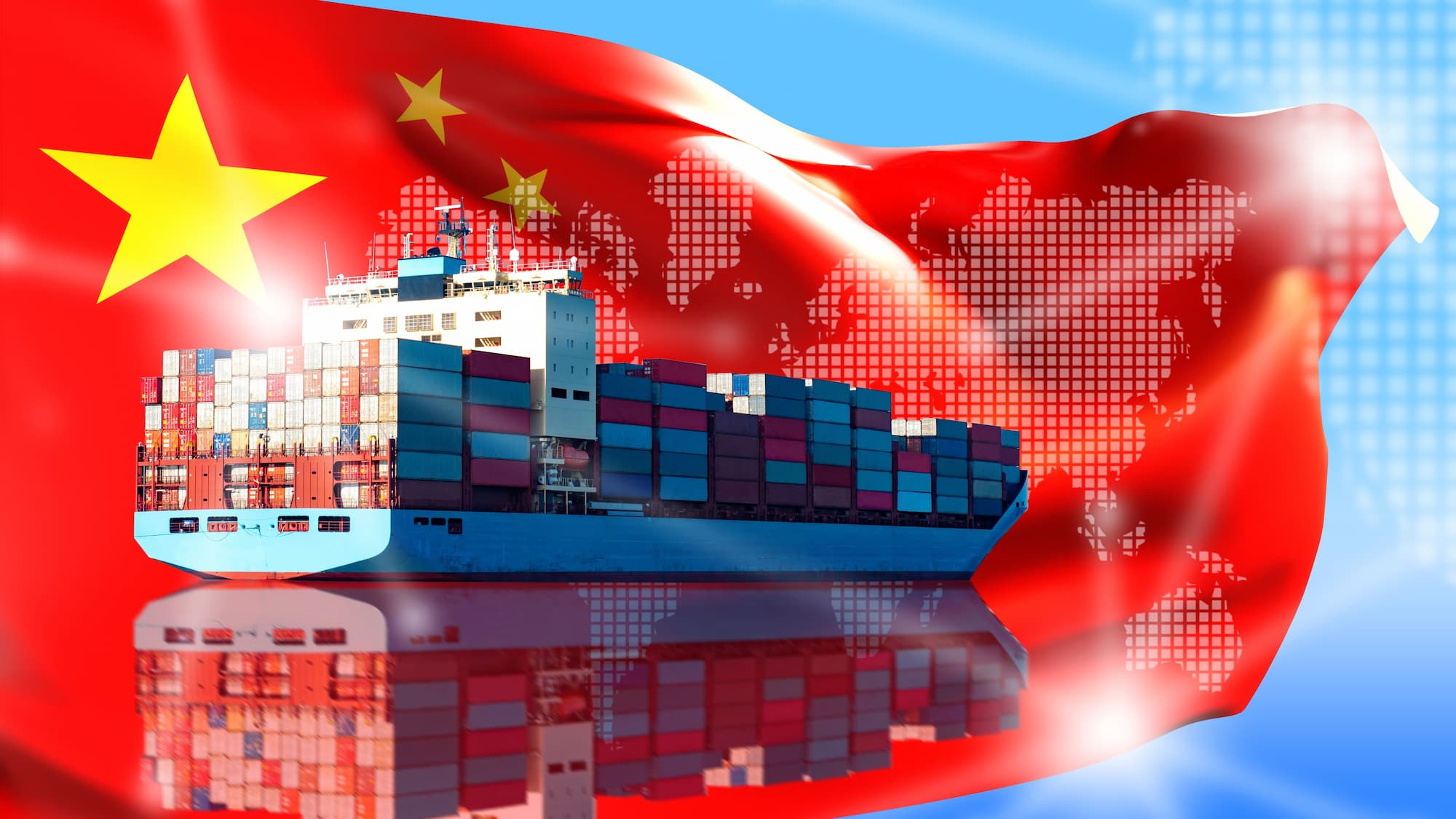
Several districts in China have been on lockdown for the past few weeks due to Covid, and the impact is now being felt on global supply chains. As outbreaks began to surge in Shanghai, the lockdown has lengthened until further notice. This was after an announcement of 16766 positive coronavirus cases on April 5. Even before the lockdowns returned to China in March, many supply chains worldwide struggled to keep up with the overwhelming demand. With some of the world’s biggest ports being shut down, global supply chains may feel more significant stress.
In the past few years, the demand for shipping internationally has risen significantly. After the coronavirus made its way worldwide, ordering goods online instead of driving to a store became more common. When goods are bought online, they tend to be transported from different countries like China. While the number of goods shipped rose, the coronavirus was still present. Limited workers, lockdowns, and other effects of the coronavirus started to show in the supply chains of different companies globally.
How does this impact supply chains
One of the leading exports out of ports like Yantian and Shanghai located in China are electronic products. Manufacturers that create electronic products for large companies like Apple, Tesla, Samsung, and others are being forced to suspend operations. Foxconn, an electronics supplier to Apple, has recently announced that it will pause operations in Shanghai. Since Foxconn is one of Apple’s biggest suppliers, this may lead to product shortages in the next few weeks. The supplier outages will affect the supply chains of Apple and dozens of other electronics companies as well.
Companies have decided to move their manufacturing facilities away from lockdown zones to keep supply chains going during the current lockdown. However, the goods still have to be transported to the ports by truck. Not only are several highways shut down in the lockdown zones, but truck drivers also have to test negative for Covid a certain period before bringing containers to the ports.
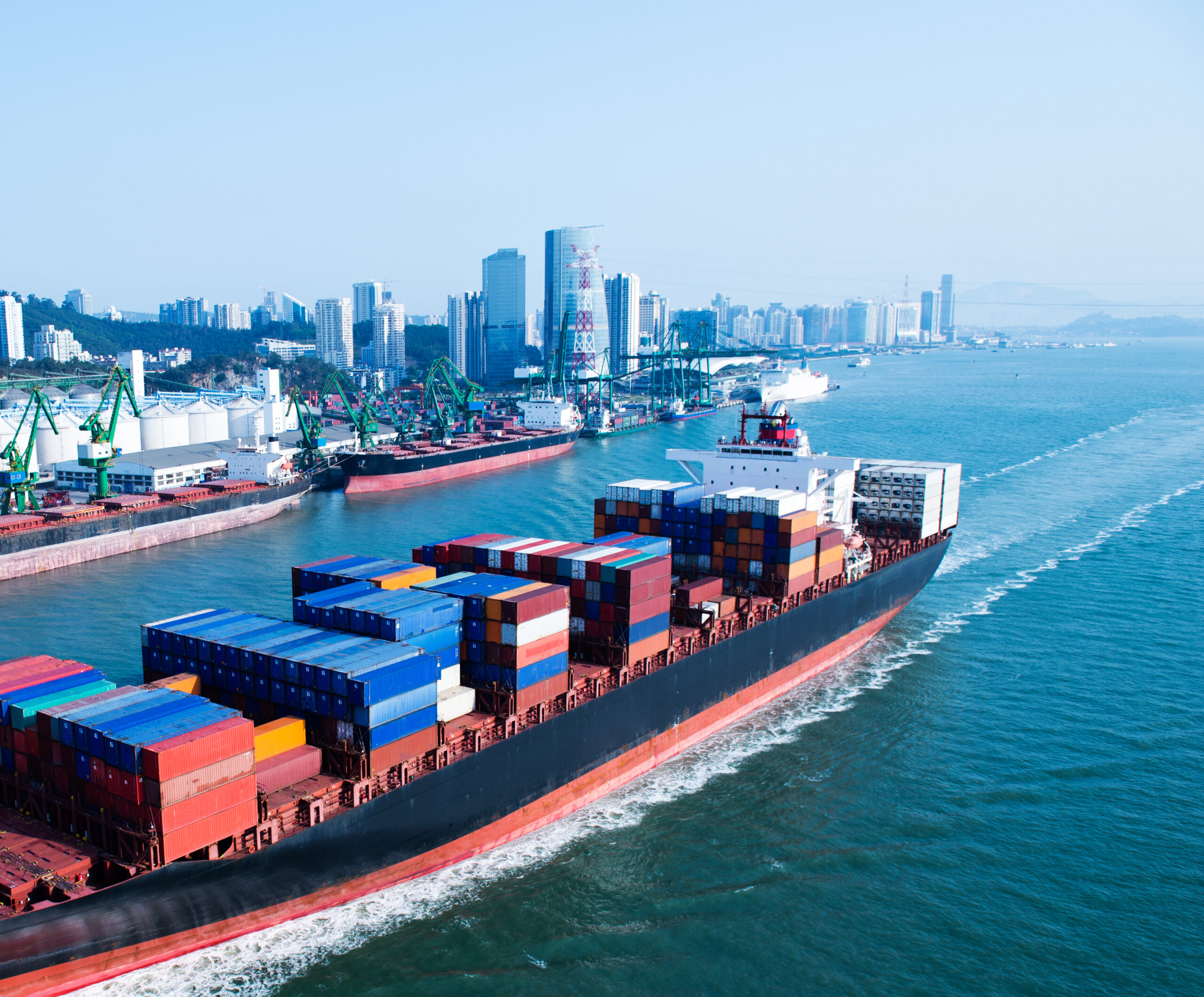
Not only will the lockdowns affect production, but the shipping of the products as well. Because many ports in China are shut down, shipping orders can become delayed. China has some of the most prominent ports in the shipping world and many orders may be backlogged. This could mean that ports in Europe and the United States will increase inbounding cargo in the near future, further growing congestion in those ports. The ports in the Los Angeles area saw their fair share of issues last year. From equipment shortage to the backlog of vessels stuck at the ports, the lockdowns in China may prolong the challenges.
A1 Worldwide Logistics
Although different supply chains may be strained at the moment, the world of shipping is continuing. Freight is still being moved internationally. However, much greater precautions than usual may have to be taken when transporting goods. You must be informed of what to expect. If you need assistance with any part of your supply chain, contact A1 Worldwide Logistics at 305-821-8995. Our services include international shipping, customs clearance, trucking, warehousing, etc.