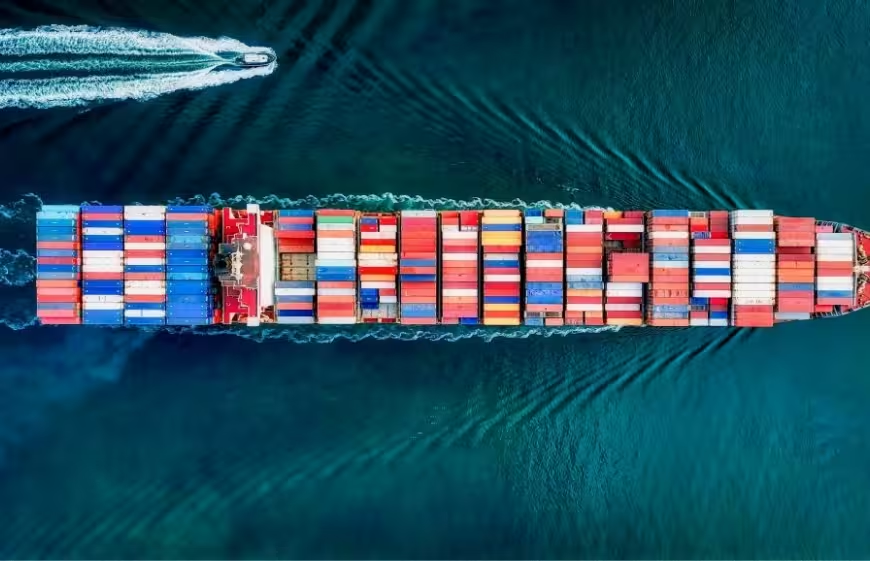
Technological advancements over the past few decades have opened up the possibilities for seaports of the future. Seaports have been necessary for moving freight locally and internationally for thousands of years. The first recorded harbor was the Wadi al-Jarf, built on the Red Sea coast of Egypt. This was estimated to be built around 4500 years ago. Today, many of the biggest companies in the world depend on harbors to keep their supply chains running. Innovations in technology have led to the growth of ports and the shipping industry, which continues to grow. This article will explain the latest trends and predictions for the seaports of the future.
How will the Seaports of the Future be Different?
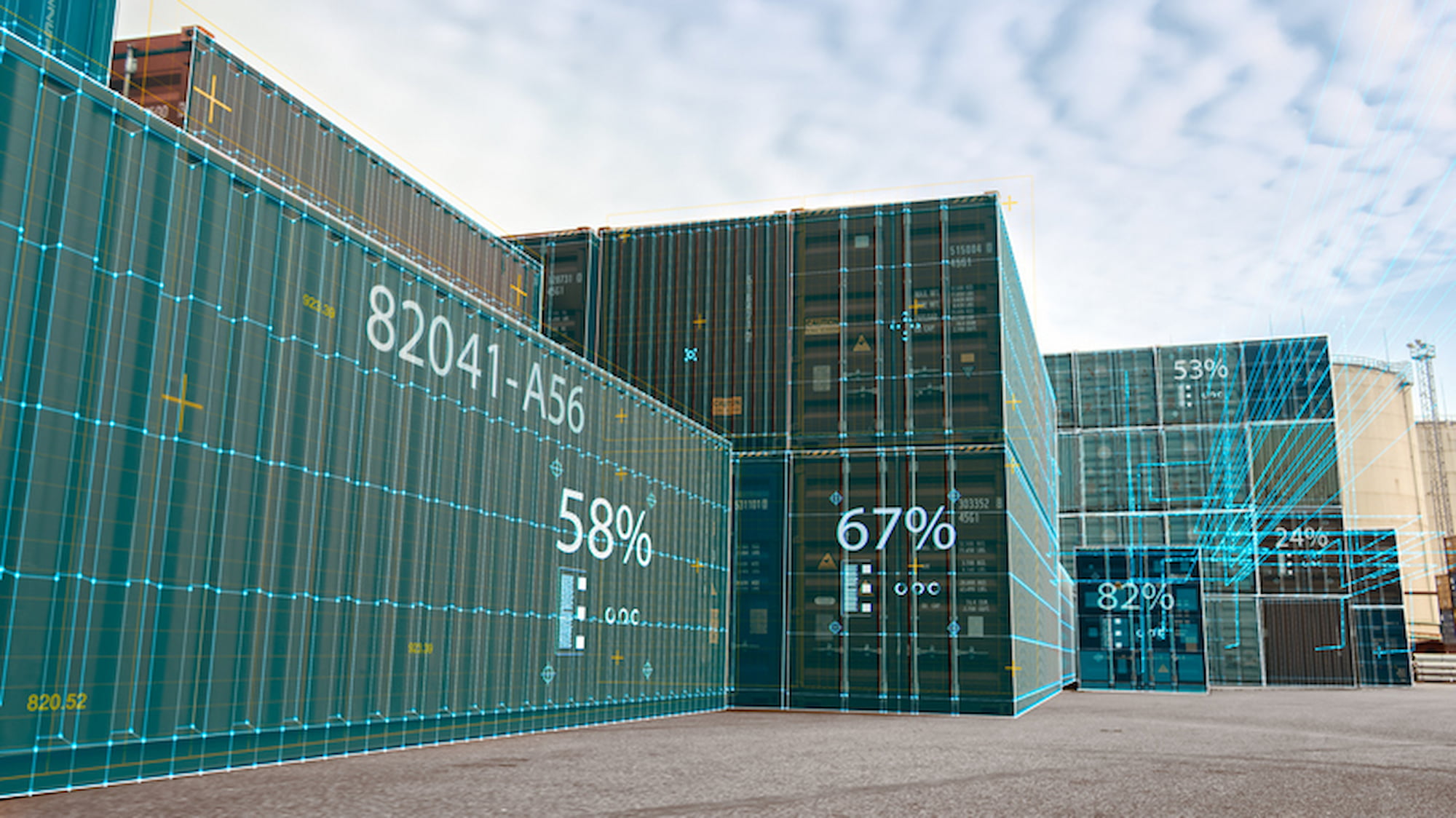
A common term used when describing seaports of the future is a smart port. Smart ports are harbors that use advanced tech like AI (Artificial Intelligence), automation, data, and blockchain to enhance their capabilities. Digitalization is one of the most significant trends that will continue to grow. Multiple components from inside to outside operations may become more digitally connected for greater productivity. Before entering the port, real-time GPS tools will monitor the boats and containers entering and leaving the facility. This can slow down traffic and speed up supply chains. Ports can use the same technology to track containers that leave the seaport, decreasing port traffic.
Digitalization will also lead to better data exchange through the IoT. The Internet of Things (IoT) is any object with sensors and software that can communicate over the Internet. Along with everyday life, IoT has become used in various industries like international shipping. Future smart ports could install data-transmitting software on infrastructure like roads, terminals, and warehouses. The purpose will be to collect information about operating systems and improve overall performance. Along with growing port efficiency, digitalization allows for better employee safety. Examples are vehicles and cargo handling equipment with sensors that monitor surroundings for nearby workers.
Digital solutions can also help collect info to increase the amount of environmental sustainability in the ports. This is especially important with the current goal of reducing CO2 emissions to zero by 2050. The Port of Esbjerg in Denmark uses a digital system to monitor CO2 emission outputs. One of the goals of smart ports is to use technology to create more eco-friendly operations.
Automation Will be a Growing Focus
Artificial intelligence has led to a greater use of automation in work environments like ports. Automation is the usage of technology to perform tasks with limited human interaction. With current ports worldwide already having specific automated operations, future ports may be fully autonomous. This doesn’t come with challenges, such as costs and complexity of operations. In time, technological advancements and an increase in data analytics will assist in the push. The Port of Shanghai has already opened the world’s largest fully automated terminal.
While future seaports open up new opportunities for international shipping, it may be a while before the change happens. However, ports are still vital to supply chains when moving cargo globally. The shipping process may not always be as easy; situations like having goods stuck at the seaport can happen. Having a logistics company move the freight for you is the best way to ensure the delivery of your shipment. Contact A1 Worldwide Logistics at 305-821-8995 for assistance with importing into the U.S. or exporting Internationally.