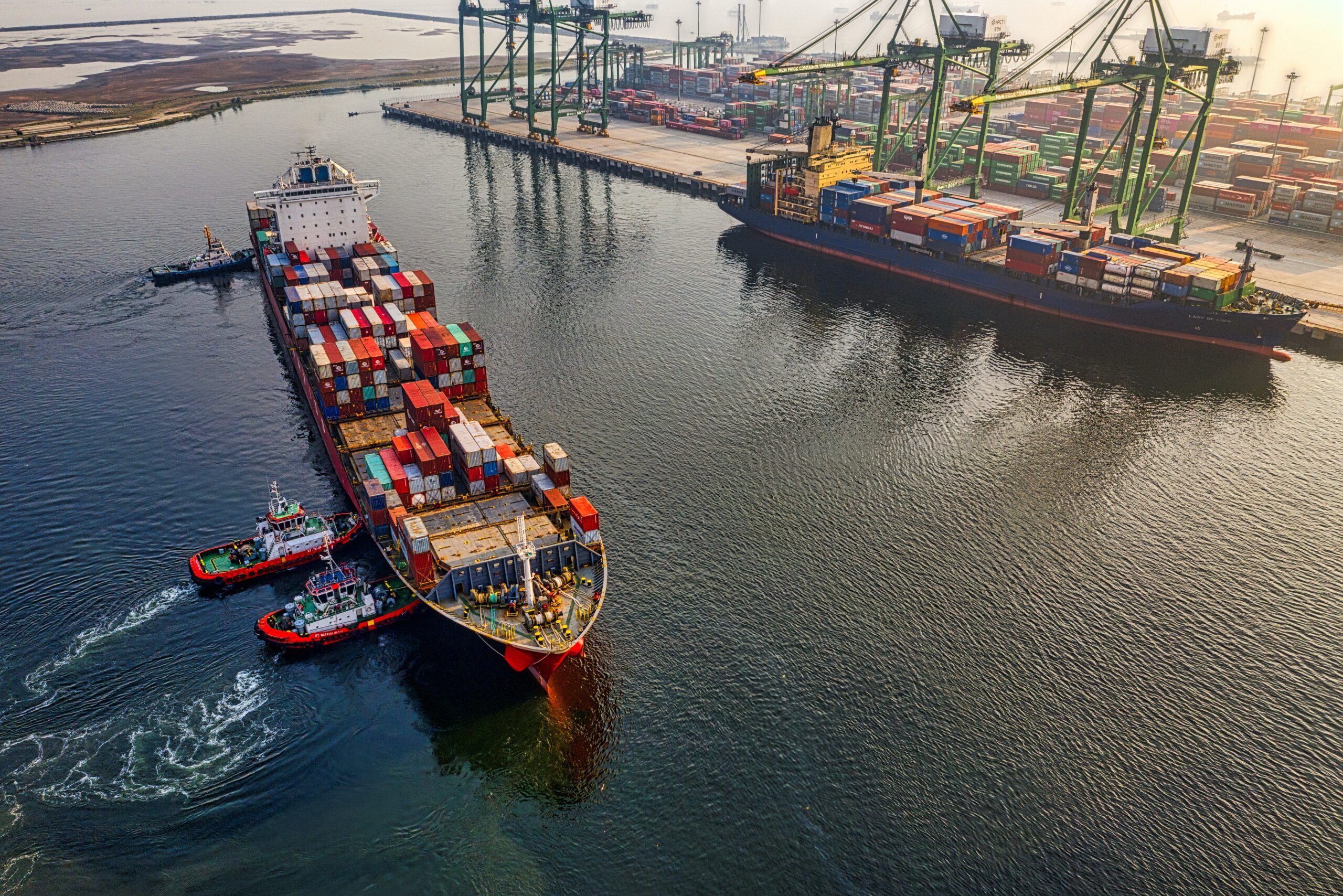
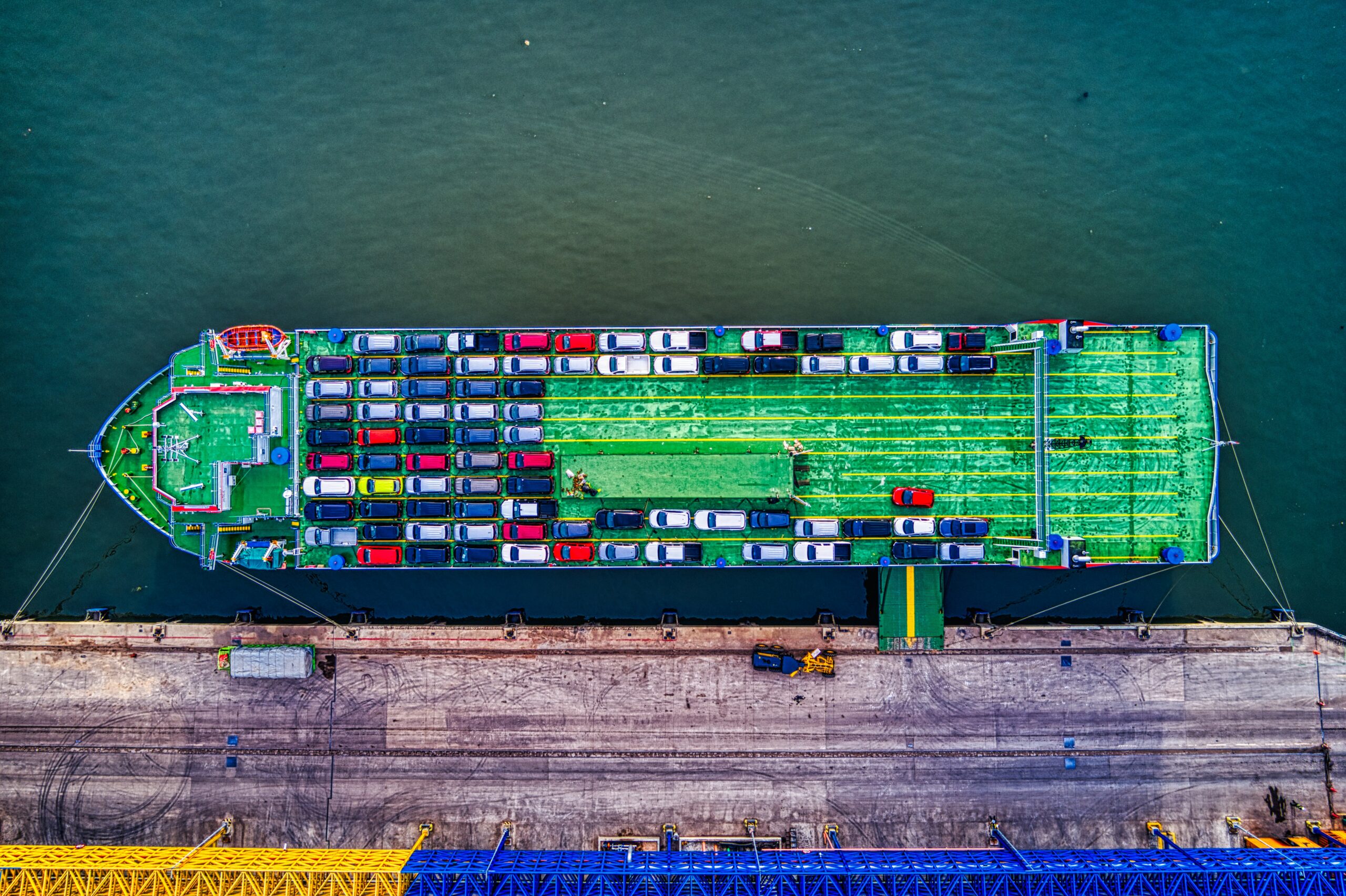
DDP stands for Delivered Duty Paid. Under this shipping term, the seller arranges transportation to the agreed destination and handles export and import clearance, including the applicable import duties and taxes. The goods are delivered to the buyer ready for unloading from the arriving vehicle, which is normally when the risk of loss or damage passes to the buyer.
For a business buying overseas, a DDP offer can put freight and customs costs into one agreed price. Before accepting it, establish who will handle the US customs entry, whose name will appear as importer of record, and exactly where delivery ends.
What Does DDP Shipping Include?
DDP can use air, ocean, road, or a combination of transport modes. Under Incoterms® 2020, the seller must arrange the journey to the named destination and complete the required export, transit, and import customs formalities.
The seller can use a freight forwarder, customs broker, and delivery company to do that work. Hiring those providers does not change the seller’s responsibilities to the buyer under the sales contract.
A forwarder may also describe a transport service as “DDP.” Compare that quotation with the supplier’s sales agreement so you know what each company has committed to provide. The shipping label alone is not enough to establish the full agreement.
Delivery Ends at the Place You Agree
The named destination should be specific. “DDP USA” does not tell you whether the price covers delivery to a port, a warehouse, or your business premises. Use the full receiving address and identify the agreed delivery point there, followed by “Incoterms® 2020.”
For example, delivery to a warehouse receiving dock differs from unloading a machine and positioning it inside a factory. Discuss any unloading equipment, appointment requirements, or access restrictions before finalizing the quote.
Under DDP, the buyer is responsible for unloading from the final arriving vehicle. Unloading charges already included in the seller’s transport contract should not be billed to the buyer again unless the parties have agreed otherwise.
DDP vs DAP: Who Pays for Customs Clearance?
The main difference between DDP and DAP is import clearance. With DDP, the seller handles and pays for it. With DAP, the buyer does. Both terms can cover transportation to the same final address.
| Responsibility |
DDP: Delivered Duty Paid |
DAP: Delivered at Place |
| Transportation to the named destination |
Seller |
Seller |
| Export and transit customs formalities |
Seller |
Seller |
| US import clearance |
Seller |
Buyer |
| Import duties and taxes |
Seller |
Buyer |
| Normal delivery point |
At the named destination, cleared for import and ready for unloading |
At the named destination, ready for unloading |
| Unloading from the final vehicle |
Buyer |
Buyer |
The table shows the standard allocation. Unloading costs can already be covered by the seller’s carriage contract, and failures to meet contractual obligations can affect responsibility for additional costs or loss.
DAP can suit a buyer who wants the supplier to arrange transportation but prefers to work directly with a chosen US customs broker. It can also be more suitable when the seller cannot make the necessary import-clearance arrangements.
For a DAP shipment entering through PortMiami or Miami International Airport, A1’s Miami customs brokerage team can assist with entry preparation and clearance while coordinating with the company transporting the goods. Set that up before arrival so the supplier’s forwarder knows which broker to contact.
When comparing DDP and DAP prices, add the buyer-paid customs clearance costs to the DAP offer. Comparing the two supplier prices alone will not show the full cost of each arrangement.
Who Is the Importer of Record on a DDP Shipment?
A DDP agreement assigns responsibilities between the buyer and seller. It does not, by itself, determine who qualifies as the importer of record under US law.
The importer of record is responsible for the accuracy of the customs entry and the applicable duties, taxes, and fees. Those obligations remain relevant even when a broker prepares the entry or another party agrees to pay the charges.
A qualifying foreign seller may be able to import as a nonresident importer. For nonresident corporations, US regulations require a resident agent authorized to accept service of process and a customs bond backed by a resident corporate surety. The broker should review the proposed importer’s eligibility and setup before shipment.
If your business is being asked to act as importer of record, understand that role before authorizing the entry. The DDP label does not automatically make either party the importer of record or remove that party’s customs obligations.
A customs broker acting for the importer must execute the customs power of attorney directly with that importer. A supplier’s statement that “our shipping agent handles everything” should still be supported by a clear explanation of who the importer and broker are.
What to Confirm Before Accepting a DDP Quote
Ask the supplier to resolve these points in writing before the shipment is booked:
- Delivery address: Where will the goods be delivered, and what unloading or special delivery work is included?
- Customs arrangements: Which company is handling US clearance, and who will be the importer of record?
- Price and duties: Is the quoted amount fixed, or does the agreement allow adjustments if duties or transport costs change?
- Additional charges: What does the contract say about customs examinations, storage, failed delivery, or changes requested by the buyer?
- Documents: Who will receive the customs-entry records, freight documents, and confirmation of completed filings?
A DDP price may include the seller’s freight and customs costs without displaying each one separately. You can still request an explanation of the service and any exclusions before deciding whether the offer works for your business.
Where an exclusion changes the standard DDP allocation, make the change explicit in the sales agreement. An unexplained “DDP excluding duties” description leaves the central responsibility unclear.
Does DDP Include Cargo Insurance?
DDP does not require the seller to purchase cargo insurance for the buyer. The seller normally bears the risk of loss or damage until delivery at the named destination, but it can decide how to insure its own exposure.
Do not read “DDP” as confirmation that an insurance policy exists. For a valuable or fragile shipment, ask what coverage is in place and how to report damage. Include any agreed insurance requirements in the contract.
The normal delivery point is before unloading from the final vehicle. Make sure the receiving business can unload safely and that any insurance arrangements address that stage of the journey.
DDP Shipping from China: A Commercial Import Example
Suppose a US distributor purchases a palletized order from a supplier in China for delivery to a warehouse in New Jersey. The parties agree on DDP at the warehouse’s full address under Incoterms® 2020.
In that example, the supplier’s transportation arrangements must extend to the warehouse, not stop when the cargo reaches the Port of New York and New Jersey. The seller must also arrange import clearance and cover the duties required under the agreed rule. The buyer prepares to receive and unload the goods.
Before departure, the parties should identify the US broker and importer of record. The warehouse address tells the transport provider where to deliver; it does not settle the customs arrangements.
A1 provides customs clearance support for New York and New Jersey imports, including shipments arriving through the port, JFK, and Newark. Our office is in North Miami, and our brokerage services extend to these entry points.
Documents and Advance Filings for DDP Shipments
A DDP shipment still needs the information required for US entry. The broker needs to know what the goods are, their value and origin, and which parties are involved. The commercial invoice, packing list, and transport documents are a starting point; additional information depends on the goods.
For ocean cargo subject to Importer Security Filing requirements, you must also submit advance information to CBP. Agree who will handle the ISF filing before loading and obtain confirmation when it has been filed. A DDP label does not prove the filing is complete.
The buyer may still need to help obtain information required for clearance. Agree on who can provide the requested details, particularly when the broker needs information held by the manufacturer.
What If You Receive a Customs Bill on a DDP Shipment?
Start by identifying the charge and who issued it. Send the invoice to the supplier and ask how it is being handled under your agreement. A duty bill, an unloading charge, and a storage invoice need different explanations.
Under a standard DDP agreement, the seller is responsible for import duties. Your position with CBP also depends on the customs entry: an importer of record cannot rely only on a commercial payment promise to discharge duties that remain unpaid.
For any disputed charge, obtain the breakdown and resolve the payment arrangements promptly with the supplier and broker. Ask the carrier or terminal whether a payment or pickup deadline is approaching while the dispute is being resolved.
When cargo has arrived but is not available for collection, establish its customs and carrier-release status. Our guide to what happens after a container arrives at the port explains the separate steps involved in arranging pickup.
How Long Does DDP Shipping Take?
DDP describes responsibilities, not a delivery speed or a particular transport service. A quote should provide a separate schedule for the proposed shipment and clarify whether delivery dates are estimates or contractual commitments.
Ask whether the stated transit time ends at the arrival port or includes clearance and delivery to your address. For a time-sensitive order, discuss the goods-ready date and the receiving deadline before selecting the freight service.
Incoterms do not guarantee a customs release date or determine remedies for late delivery. Address those issues through the relevant requirements and contract terms.
Arrange Customs and Delivery Support With A1
A1 Worldwide Logistics provides US customs brokerage and freight forwarding services. We can assist with customs documentation, classification, entry filing, and final delivery arrangements when required.
Whether you are a US buyer reviewing a supplier’s offer or an overseas seller planning a delivery, contact us before the goods move. Send the proposed shipping terms, product details, available documents, and final delivery address. Tell us whether a broker has already been appointed or any filings have been completed.
We will review the services needed and provide a quote. Confirm the importer-of-record arrangement separately; appointing A1 as the customs broker does not automatically make A1 the importer of record.
Call 305-821-8995 to discuss your shipment.
Regulatory note: Reviewed October 13, 2026. This guide uses Incoterms® 2020 and general US customs requirements. Your sales contract and the legal responsibilities of the importer determine the obligations for a particular shipment. This is general guidance, not legal advice.
The copy buttons select the article only. Publishing details and this toolbar are excluded.