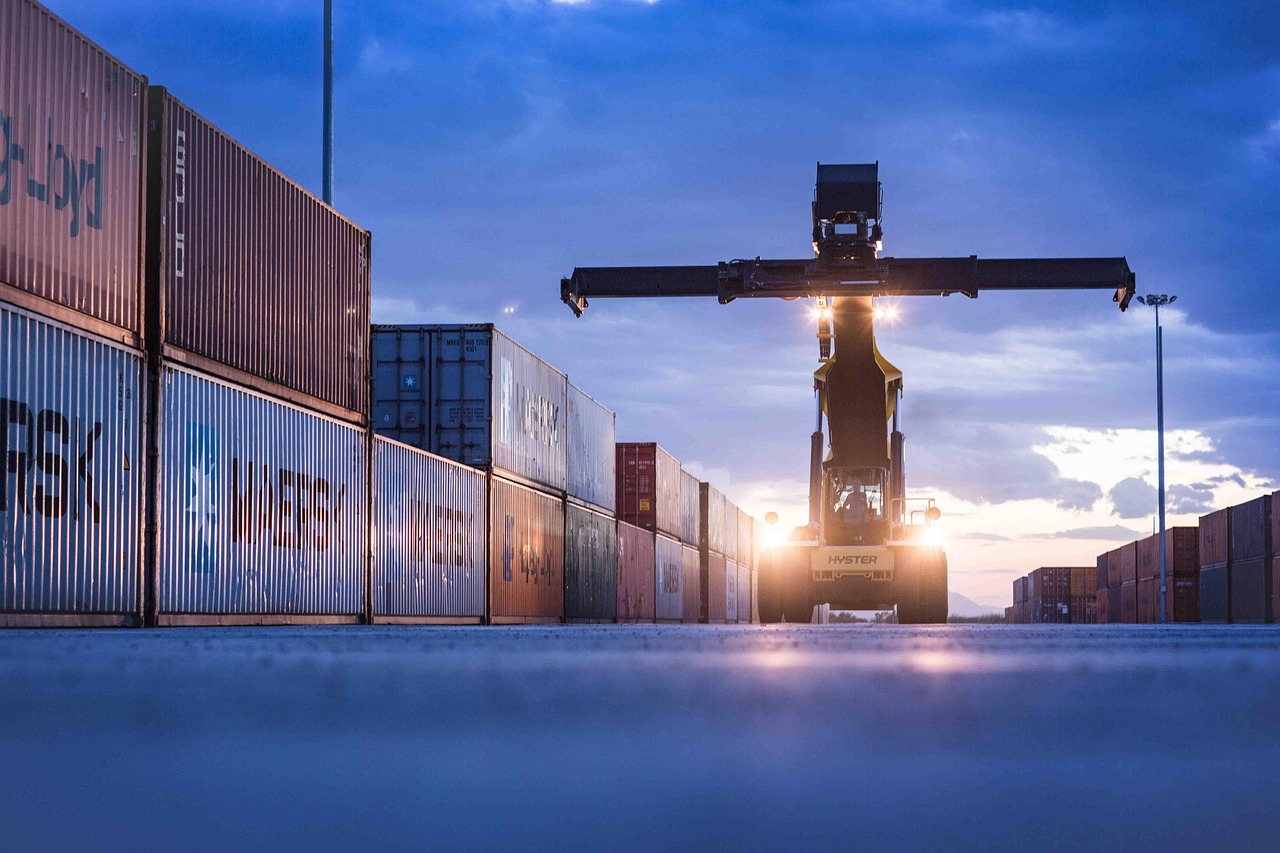
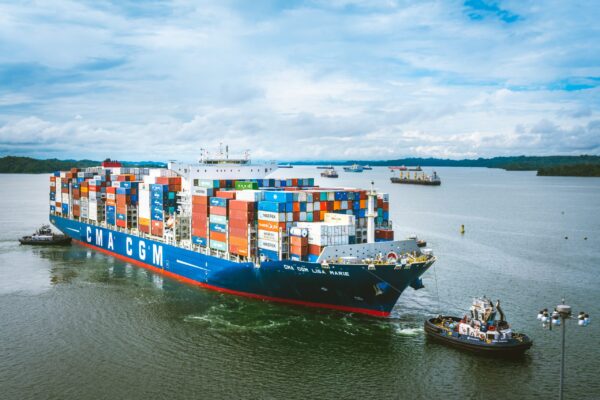
Ocean freight, also called sea freight, is the transportation of goods by ship. Businesses use it to move commercial cargo between countries, from a few pallets in a shared container to full-container orders and oversized equipment.
For a U.S. import, the shipment plan should cover customs clearance, delivery, and the sea crossing. Start those arrangements before the goods leave the supplier, especially when an advance customs filing is required.
A1 Worldwide Logistics provides ocean freight services for commercial imports and exports, with customs brokerage and delivery support. This guide explains how to plan an ocean shipment into the United States and what the quote includes.
When does ocean freight make sense?
Ocean freight is often worth considering for larger or heavier orders when your business can allow for the shipping time. It can suit planned stock replenishment and equipment purchases that are arranged well before the goods are needed.
For goods needed for a production run or installation, compare the cost and delivery window for air freight and ocean freight using the same collection and delivery addresses.
Give the forwarder the date the supplier expects the cargo to be ready and the date your business needs it delivered. This lets the discussion start with a realistic shipping schedule.
Choosing how your cargo travels
Most businesses booking containerized ocean freight choose between FCL and LCL. Cargo that cannot travel in an ordinary enclosed container may need different equipment or a different vessel service.
| Shipping option |
How it works |
When to discuss it |
| Full container load, or FCL |
A container is reserved for your shipment, even if some space remains empty. |
Larger orders or cargo needing dedicated container space. |
| Less than container load, or LCL |
Your cargo shares a container with other shippers’ goods. The shipments are combined at origin and separated at destination. |
Smaller commercial orders that do not justify a dedicated container. |
| Special container equipment |
High-cube, refrigerated, open-top, or flat-rack equipment addresses particular cargo requirements. |
Additional height, temperature control, or a load that cannot use standard container doors. |
| Non-containerized shipping |
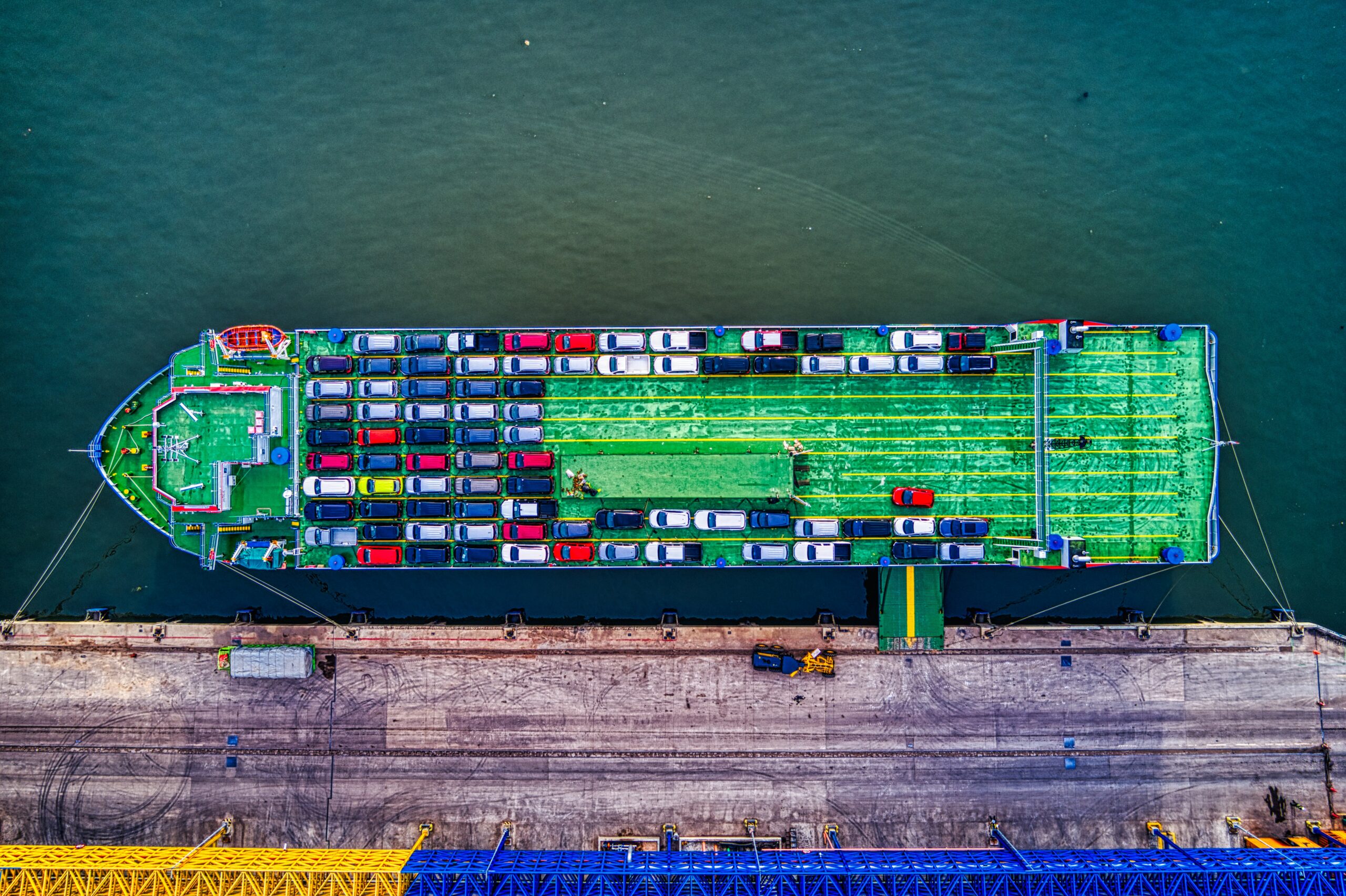
Options include roll-on/roll-off for suitable wheeled cargo and breakbulk for individually handled cargo. |
Vehicles, machinery, or other loads requiring a different loading arrangement. |
We need your supplier’s finished packing dimensions and gross weight to assess the options. The number of pallets alone does not determine whether the cargo fits, whether it can be stacked, or whether it will exceed a weight limit.
Our FCL shipping guide covers dedicated-container planning. For machinery that will not fit standard equipment, see shipping oversized cargo internationally.
What does an ocean freight forwarder do?
An ocean freight forwarder arranges the sea movement of your goods. The work can include coordinating supplier pickup, comparing sailing options, booking cargo space, managing transport documents, and arranging delivery. The quotation should specify which services you are buying.
The ocean carrier provides the vessel service. You may also see the term NVOCC, meaning non-vessel-operating common carrier. An NVOCC provides ocean transportation and issues its own house bill of lading without operating the vessel. The Federal Maritime Commission’s explanation of ocean transportation intermediaries describes that role.
U.S. customs rules allow importers to make entry on their own behalf. Businesses can also hire a licensed customs broker to prepare the entry and communicate with Customs about the goods. A company may provide both forwarding and brokerage, but the booking should confirm whether it includes both.
A1 provides U.S. customs brokerage alongside freight forwarding. Importers can discuss transportation and clearance requirements together, or request customs help once the freight is arranged.
When your supplier has already arranged the shipping
Start by finding out where the supplier’s shipping commitment ends. A price covering transport to a U.S. port may still leave you responsible for import clearance and the journey to your warehouse.
For example, under CIF Incoterms rules, the seller arranges freight and the required insurance to the named destination port, while the buyer handles import formalities. Risk generally transfers when the goods are loaded aboard the vessel at origin. Delivery beyond the named destination port must also be arranged.
Get the destination agent’s details and the booking or bill of lading information. Establish who is handling the U.S. customs entry and ISF before instructing another party to file. This is especially useful when the supplier’s quotation says “shipping included” without explaining the destination services.
You can still arrange U.S. brokerage separately from supplier-booked freight. Send the broker the transport information early so it can coordinate with the party controlling the shipment’s release.
Ocean freight rates: what will the shipment cost?
Ocean freight rates depend on the route, equipment, shipping period, and cargo requirements. The services included at origin and destination also affect the quoted total. Request a quotation for your actual cargo-ready date, and include the rate’s validity period.
FCL ocean freight is generally priced for the container booking. LCL commonly uses a weight-or-measurement calculation based on chargeable volume or weight, with minimum charges and handling fees. DHL’s explanation of how LCL rates are calculated shows why you need to consider the ocean portion and warehouse charges together.
Compare the full delivery cost
Use the same cargo details and collection and delivery points when requesting quotations. Ask each provider to distinguish firm charges from estimates and identify anything excluded.
| Cost area |
What the quotation should explain |
| Collection and origin handling |
Supplier pickup, loading or consolidation, export handling, and movement to the departure terminal. |
| Ocean transportation |
Container or LCL rate, routing, included surcharges, and the period for which the rate is valid. |
| Destination handling |
Carrier and terminal charges, plus destination warehouse handling where relevant. |
| Customs services |
Brokerage, ISF filing, and any required bond arrangements. |
| Duties and government fees |
Estimated import charges, shown separately from the freight and broker’s service fees. |
| Inland delivery |
Trucking to your address, unloading arrangements, and empty-container return for a carrier-owned FCL container. |
Cargo insurance should also be identified. Confirm whether it is included, what it covers, and whether its terms suit the goods.
A door-to-door quotation should name the delivery address and state its exclusions. Don’t assume it includes import duties, inspections, or storage just because it includes transport to your premises.
For your purchasing budget, add the goods’ purchase price to the transport, clearance, and other applicable costs. This gives a more useful landed-cost estimate than the ocean rate alone. Our guide to customs clearance costs explains the brokerage and government-charge portion separately.
U.S. customs work to arrange before departure
Start the customs review while the supplier is preparing the order. The broker may need product specifications or additional documents that take time to obtain.
Identify the importer and review the goods
Agree which business will be the importer of record and provide the information the broker needs to act on its behalf. This includes the broker’s authorization and any required customs bond arrangements.
The importer remains responsible for accurate entry information and the applicable duties, taxes, and fees even when using a broker. CBP’s guidance for new importers explains that responsibility.
Give the broker a clear product description and the country of manufacture. The review needs to establish the U.S. tariff classification and whether any product-specific requirements affect the import. A supplier’s description of “parts” or “general merchandise” may not give the broker enough information.
For example, FDA-regulated food generally needs prior notice before importation, subject to the relevant exemptions. Booking space for the container does not complete that filing or satisfy other food requirements.
Arrange ISF before overseas loading
For standard containerized U.S. imports, eight Importer Security Filing data elements are due no later than 24 hours before loading aboard the vessel at the foreign port. Certain elements allow initial best-available information and later updates. The container stuffing location and consolidator details have a later deadline under the ISF regulations.
The filing party should receive the information early enough to review it and match it to the shipment. An accepted ISF does not provide customs clearance; customs must still clear the entry.
A1’s ISF filing guide explains the advance filing in more detail.
Prepare the invoice, packing list, and transport information
The commercial invoice describes the transaction and goods. The packing list explains how the shipment is packed, while the bill of lading identifies the transport arrangements. Together, they give the broker the initial information needed for entry.
U.S. entry documentation rules also allow additional documents for particular goods. Send the commercial and packing information before departure, then provide the transport documents as they become available.
Resolve differences between the documents before they become a customs query. For example, tell the broker when the supplier changes quantities or substitutes a product after issuing the first invoice.
How long does ocean freight shipping take?
The delivery estimate needs to account for the proposed sailing and the work before loading and after discharge. A schedule for a direct service may differ from one involving a transfer to another vessel.
The vessel arrival date is one part of that schedule. LCL cargo also needs destination separation, while an FCL shipment needs container availability and a suitable collection and unloading arrangement. Customs questions or an examination can affect either shipment.
Request both the estimated vessel arrival and a warehouse-delivery window. That gives the receiving team a basis for planning without treating the arrival date as a confirmed delivery appointment.
What happens after the vessel arrives?
For ordinary delivery after U.S. import clearance, the goods need the required customs and commercial releases. The carrier may still need payment or the correct shipping documents before authorizing release, as illustrated by Maersk’s container-release requirements.
The trucker also needs confirmation that the cargo is available and any required collection appointment is in place. Dispatching a truck based only on the vessel’s arrival can leave the driver unable to collect.
FCL delivery requires a plan for unloading and returning the carrier’s empty container. LCL goods are usually collected after the shared container is unloaded and the individual shipments are separated. Our guide to what happens when a container reaches the port covers these arrival stages.
Free time and storage charges
Get the last free day for collection and, for a carrier-owned container, the empty-return deadline in writing.
The Federal Maritime Commission describes demurrage as charges accruing when a container exceeds its free time at a marine terminal, and detention as charges for extended use of intermodal equipment. LCL warehouse storage can have its own charging terms.
The actual allowance and calculation depend on the booking and facility. Agree who monitors the deadlines and contacts the relevant party when a release, pickup, or return problem arises.
Arrange ocean freight and customs clearance with A1
A1 Worldwide Logistics helps businesses arrange ocean shipments and the U.S. customs work needed for their imports. You can discuss a new shipment or ask for help with clearance and delivery when your supplier has already booked the freight.
Call (305) 821-8995 or contact A1 Worldwide Logistics with the cargo description, supplier location, and U.S. delivery address. Send the packed dimensions and gross weight, if available, along with the expected cargo-ready date.
Tell us whether you need customs brokerage and how often you expect to import. For a shipment already booked, include the booking or bill of lading information and the expected arrival date.
Regulatory note: References reviewed October 7, 2026, against the available eCFR, CBP, FDA, and Federal Maritime Commission sources linked above. The eCFR ISF text retrieved was marked current through September 14, 2026. This is general guidance, not legal advice. Confirm product-specific requirements and freight charges for the shipment.