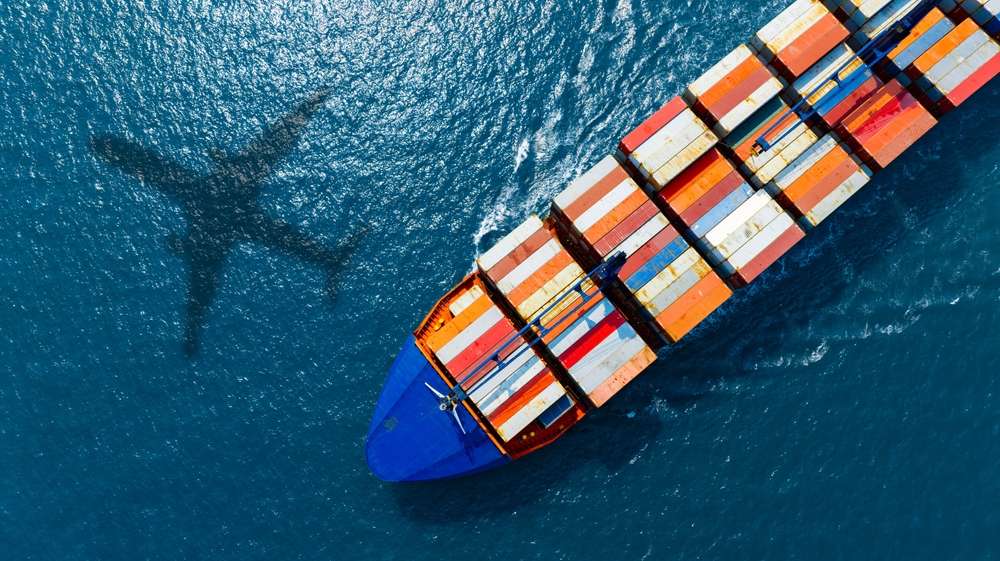
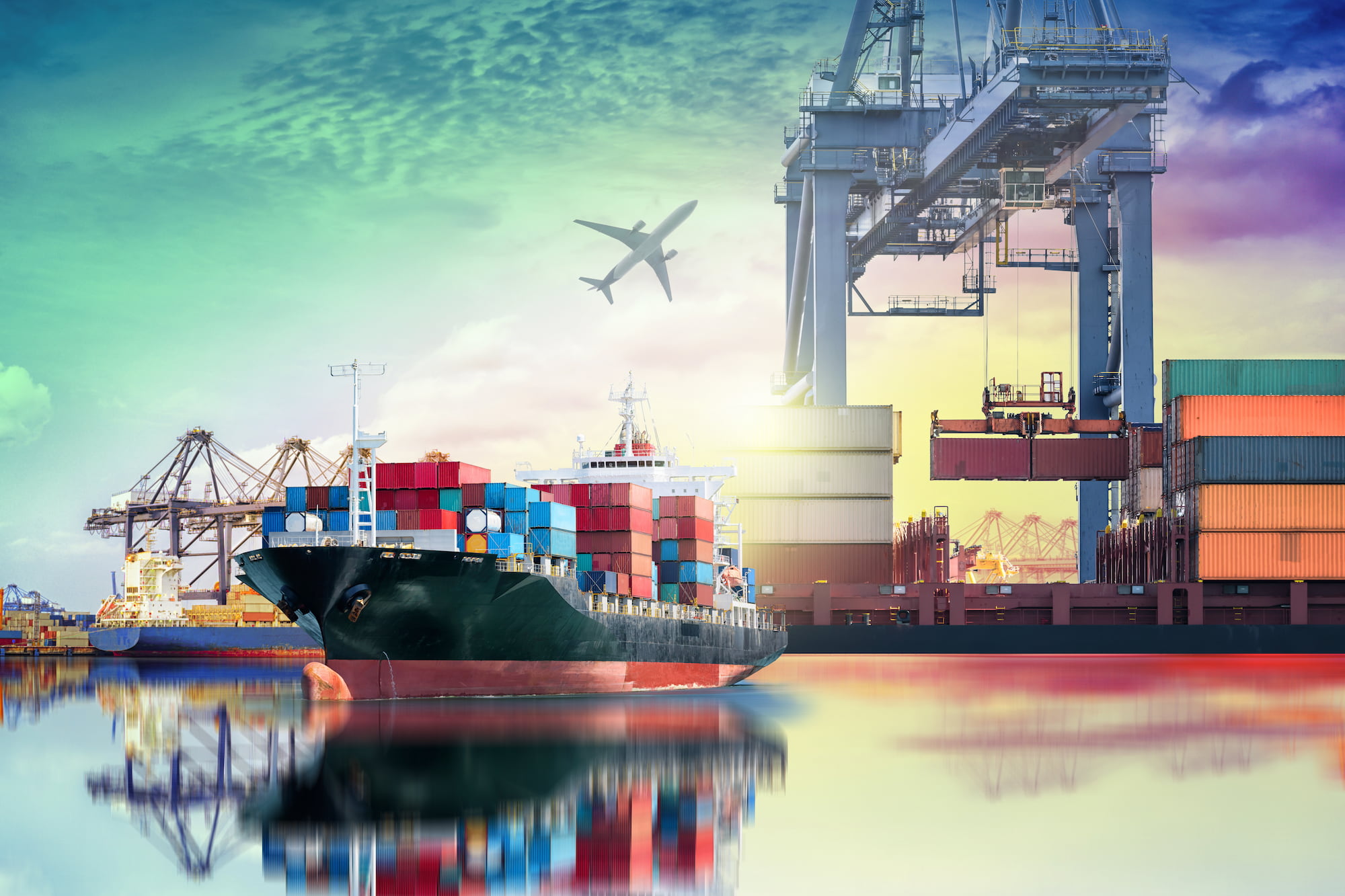
When moving goods internationally, shippers often ask whether to ship by air or ocean. Beginning shippers with limited experience are often unfamiliar with these two modes of transport. Importers and exporters must fully understand these methods of conveyance and how they compare and contrast. Not understanding their differences can lead to financial losses and supply chain disruptions. Several factors matter, including cargo type, size, weight, value, urgency, and overall supply chain requirements. This article introduces air and ocean freight and explains the differences when choosing between the two.
This guide compares air and ocean freight for commercial imports and exports, including pallets, containers, machinery, and other international cargo. We will also explain how air and ocean freight forwarding works and what to consider before booking an overseas shipment.
|
Air Freight |
Ocean Freight |
| Speed |
Faster, generally suited to urgent shipments |
Slower and dependent on vessel schedules |
| Cost |
Usually more expensive, particularly for heavy or bulky freight |
Generally more economical for larger shipments |
| Shipment size |
Better suited to smaller commercial cargo |
Suitable for pallets, containers and very large cargo |
| Common cargo |
High-value, urgent, perishable or time-sensitive goods |
Heavy, bulky, containerized and less time-sensitive goods |
| Pricing |
Commonly based on chargeable weight |
FCL commonly priced by container; LCL based on cargo volume/weight |
| Equipment |
Aircraft cargo capacity can limit very large freight |
Containers, flat racks, open tops, RoRo and breakbulk options are available |
Neither method is automatically better. A shipment that makes sense by ocean at one volume or deadline may make more sense by air when inventory is urgently needed.
Moving Cargo By Air
Air freight is the transportation of commercial cargo by aircraft, either on dedicated cargo aircraft or in the cargo hold of passenger flights. The aircraft may be commercial or chartered, with the sole purpose of shipping. This mode of transport has grown more slowly than sea shipping but remains essential for shippers. The biggest benefit is fast transit times, ideal for time-sensitive cargo. Goods that tend to move by air include perishables, high-value commodities, and pharmaceuticals that carriers must deliver quickly. Retail companies with global customers also benefit from air shipping because customers demand speed. Another benefit is the high reliability air freight offers.
Many supply chain disruptions stem from congestion and traffic. Since freight volumes tend to be smaller at airports, congestion is less common. There also tend to be multiple flights to a city daily, meaning A shipment can be moved to another plane when an issue arises. Airports also have strict cargo regulations, which lead to higher security than other transportation methods. An effect of the benefits is that shipping costs for air transport are usually more expensive than other conveyances.
Air freight charges are commonly based on chargeable weight, which considers both the actual weight and the amount of space the cargo occupies. This means large but lightweight cargo can still cost a lot to move by air.
Moving Cargo by Ocean
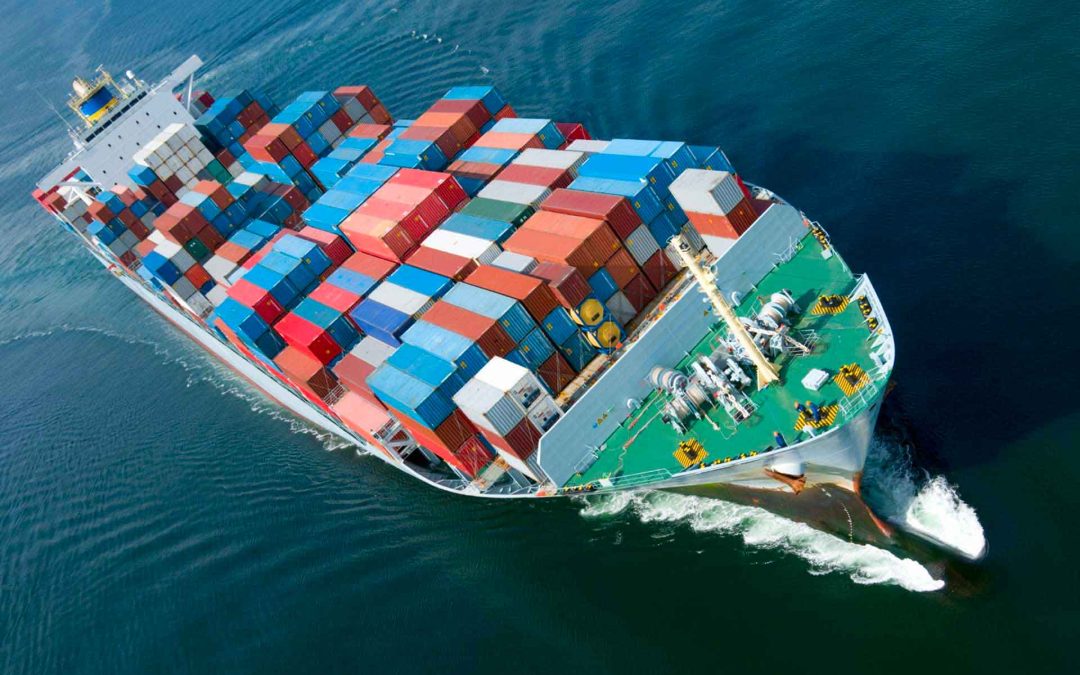
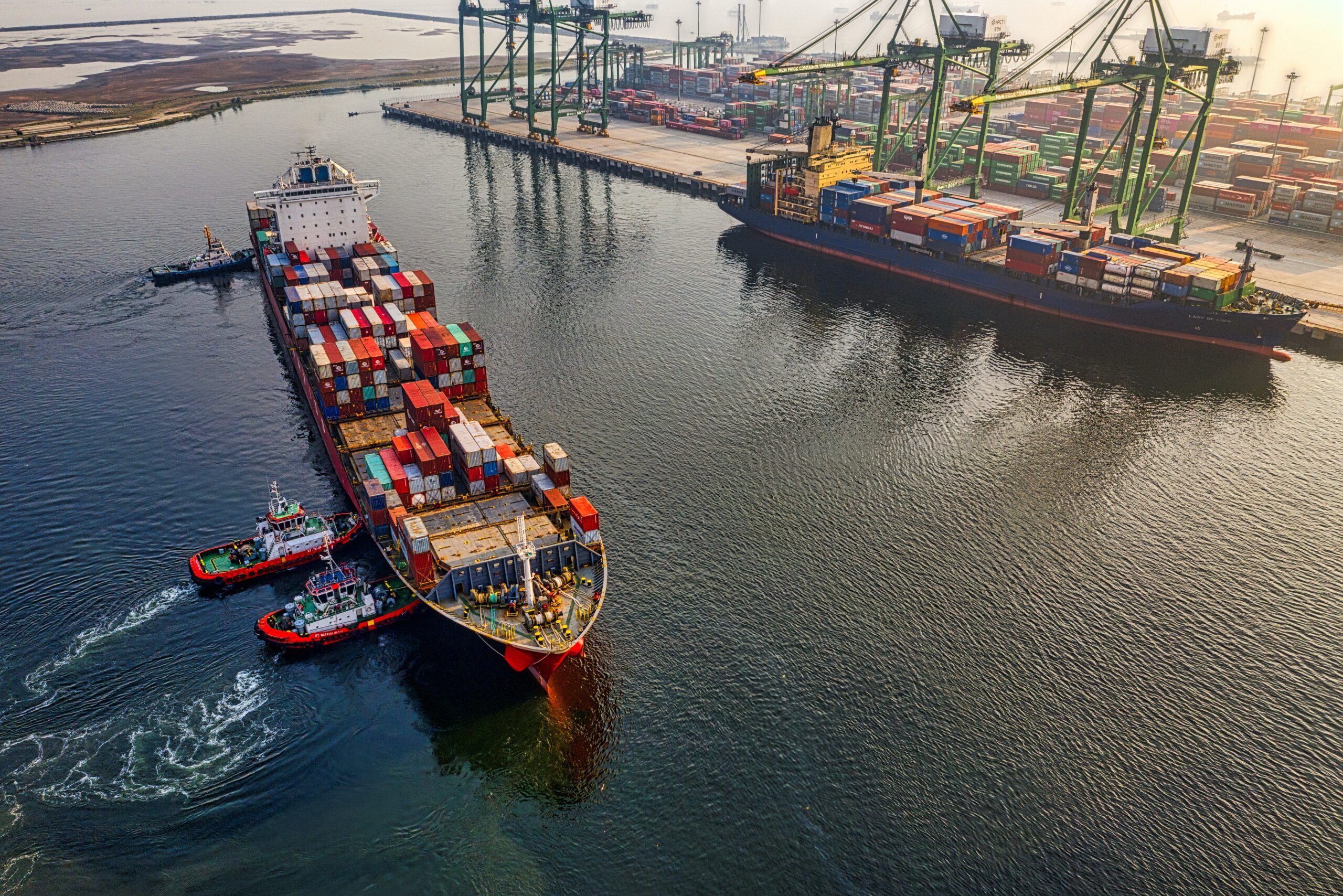
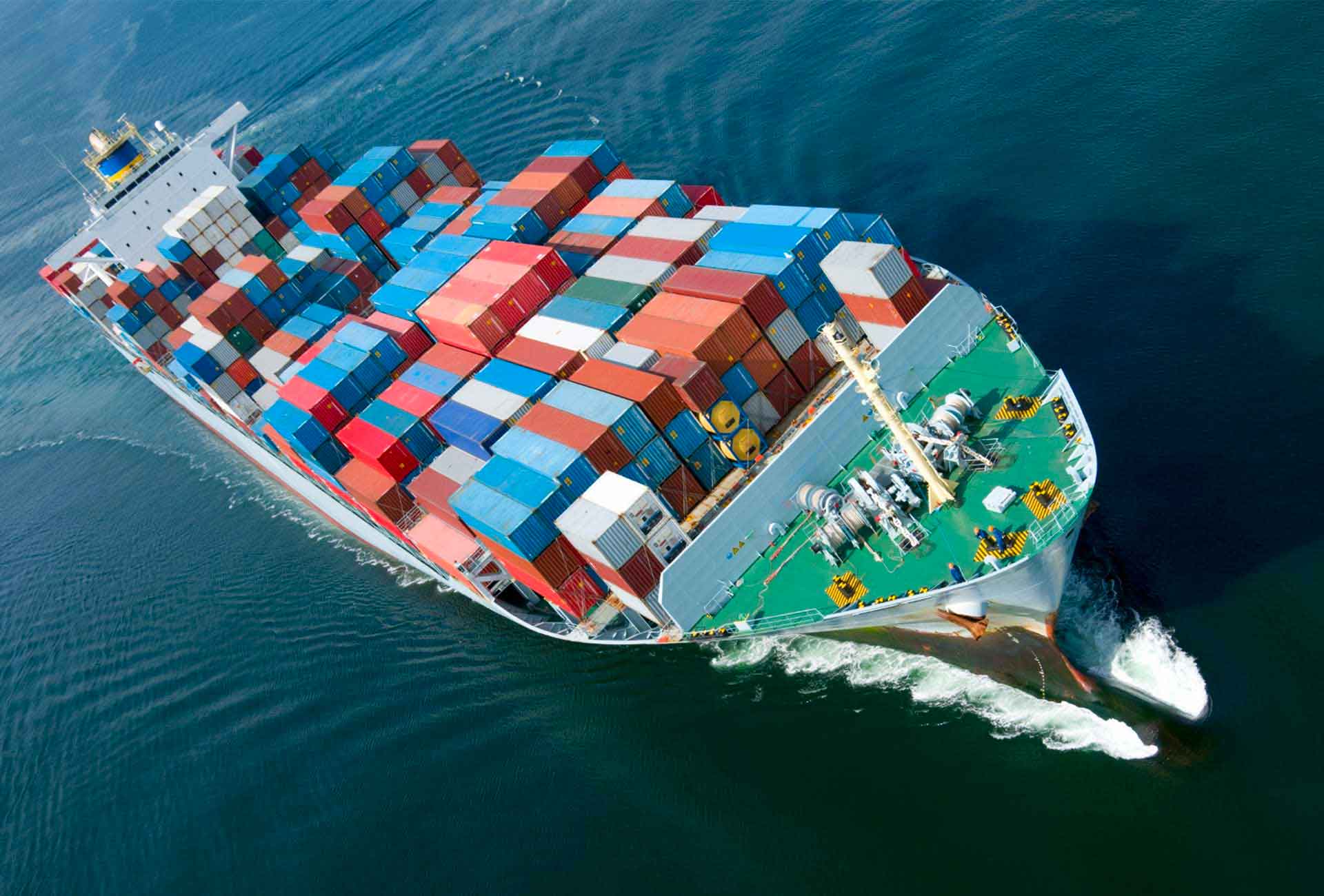
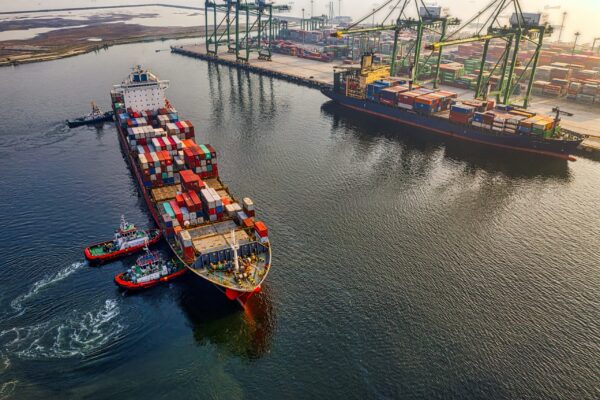
Ocean or maritime shipping is the process of moving cargo internationally by sea. Ocean freight moves internationally aboard container ships and other cargo vessels between seaports. One of the greatest advantages is the significant amount of cargo that carriers can move by ocean. With nearly 80% of the world’s shipments transported by sea, it is an integral part of international trade. Individuals and companies transporting large amounts of goods benefit from this conveyance method. Ships also allow the movement of many types of cargo since a container can fit many items. A shipment larger than containers, like construction equipment, can still go on a vessel.
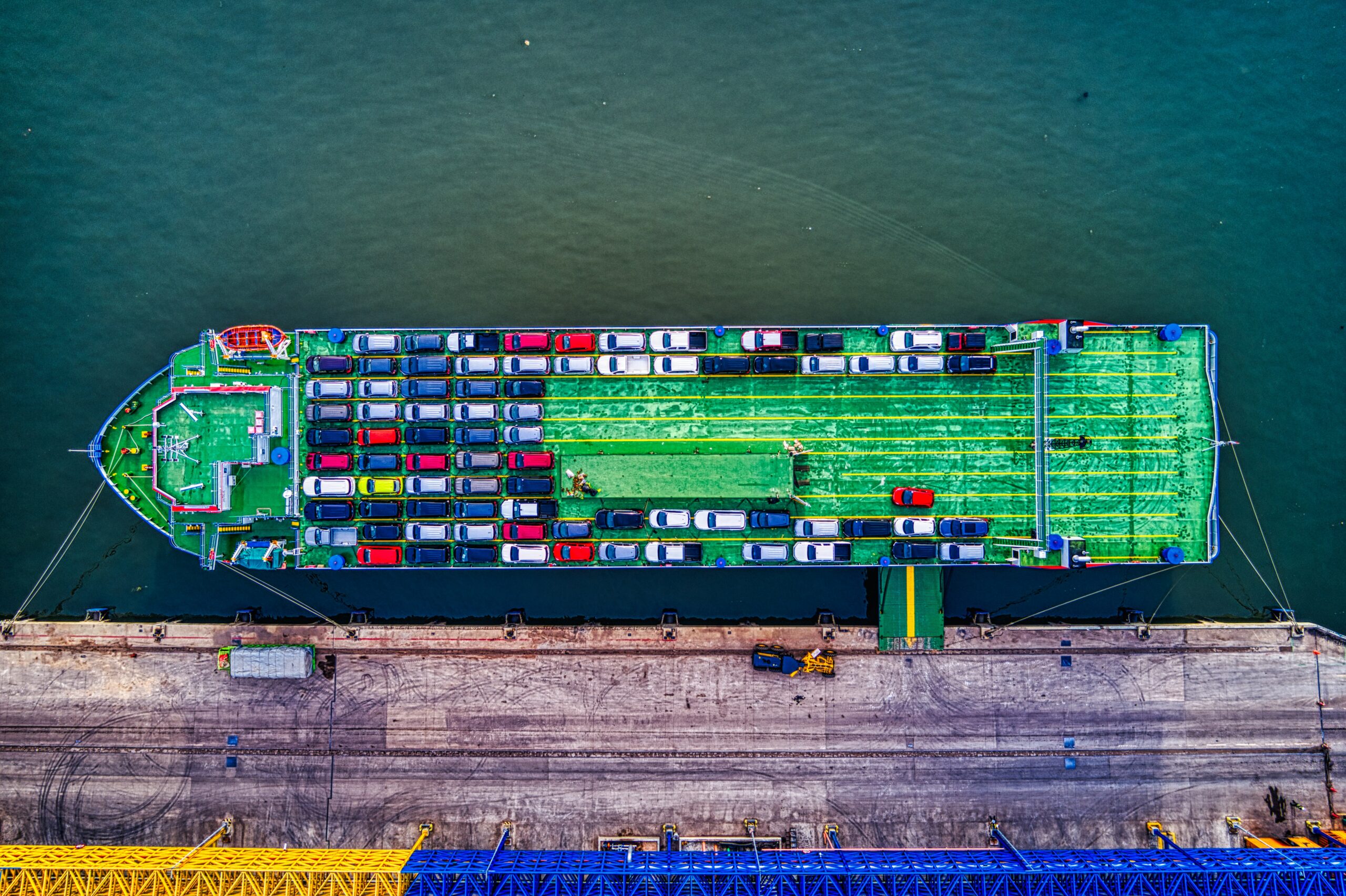
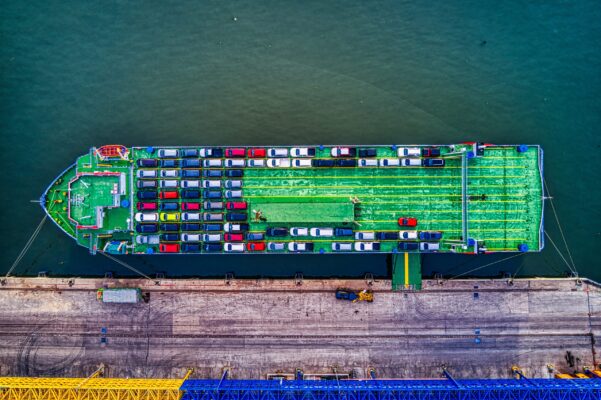
Compared with other transportation methods, containerships can also transport heavier goods. For example, ships can offer roll-on/roll-off services to bring cars onboard. Another advantage of sea shipping is that it is usually more cost-effective than other conveyances. Bulk goods like raw materials and non-perishable products benefit most. Businesses that ship large volumes of cargo also benefit. Because the load moves by ocean, transit times may be longer than other modes of transport.
Ocean shipments can move as a Full Container Load (FCL) or Less than Container Load (LCL) when the shipper does not require an entire container. Oversized machinery and other cargo that does not fit standard containers may instead move by flat rack, open-top container, RoRo, or breakbulk.
Should You Ship Internationally by Air or Ocean?
Start with the shipment itself. How much cargo are you moving, how quickly does it need to arrive, and what would happen if it arrived late?
Air freight may make more sense when:
- The shipment is urgent or time-sensitive
- The cargo is relatively small or lightweight
- The goods are high-value
- Inventory is needed quickly to avoid a production or stock shortage
- The product has a limited shelf life
Ocean freight may make more sense when:
- You are shipping larger volumes
- The cargo is heavy or bulky
- You need to ship a full container
- The goods are not urgently required
- Keeping the freight cost per unit down is a priority
Businesses do not necessarily have to choose one method for every shipment. Some importers and exporters use ocean freight for planned inventory and air freight when stock, production, or customer deadlines become urgent.
How Does International Export Shipping Work by Air and Ocean?
Businesses exporting goods from the United States can use either air or ocean freight depending on the cargo and destination.
The export shipping process can include:
- Pickup from the shipper or warehouse
- Transportation to the airport, port or freight facility
- Carrier booking
- Preparation of export and transportation documents
- Export filing where required
- International air or ocean transportation
- Customs clearance in the destination country
- Final delivery where arranged
For U.S. exports, Electronic Export Information (EEI) may need to be filed through the Automated Export System (AES). Filing requirements depend on the shipment, value, destination and goods being exported.
An international freight forwarder can coordinate air and ocean export shipping, including carrier bookings, documentation, and transportation from origin to destination.
What Does an Air and Ocean Freight Forwarder Do?
A freight forwarder coordinates international cargo transportation on behalf of the shipper rather than simply providing space on an aircraft or vessel.
For air and ocean freight, this can include arranging pickup, comparing routes and carriers, booking cargo space, preparing transportation documents, monitoring the shipment, and coordinating destination services.
A1 Worldwide Logistics provides air and ocean freight forwarding for imports and exports moving to and from the United States.
While both methods can be valuable to a supply chain, some shipments benefit more from one than the other. When choosing between air and ocean, keep your end goal in mind. For example, ocean shipping is ideal if you plan on moving large amounts of cargo. If you need to move goods quickly, air shipping may be the best solution. To begin your international shipping journey, contact A1 Worldwide Logistics at 305-821-8995. Our freight forwarders can help you find the ideal transport method for your shipment.
If you are new to moving commercial cargo overseas, see our complete guide to shipping goods internationally, including documents, Customs, container shipping, and the full international shipping process.