Cargo Surge In U.S. Ports
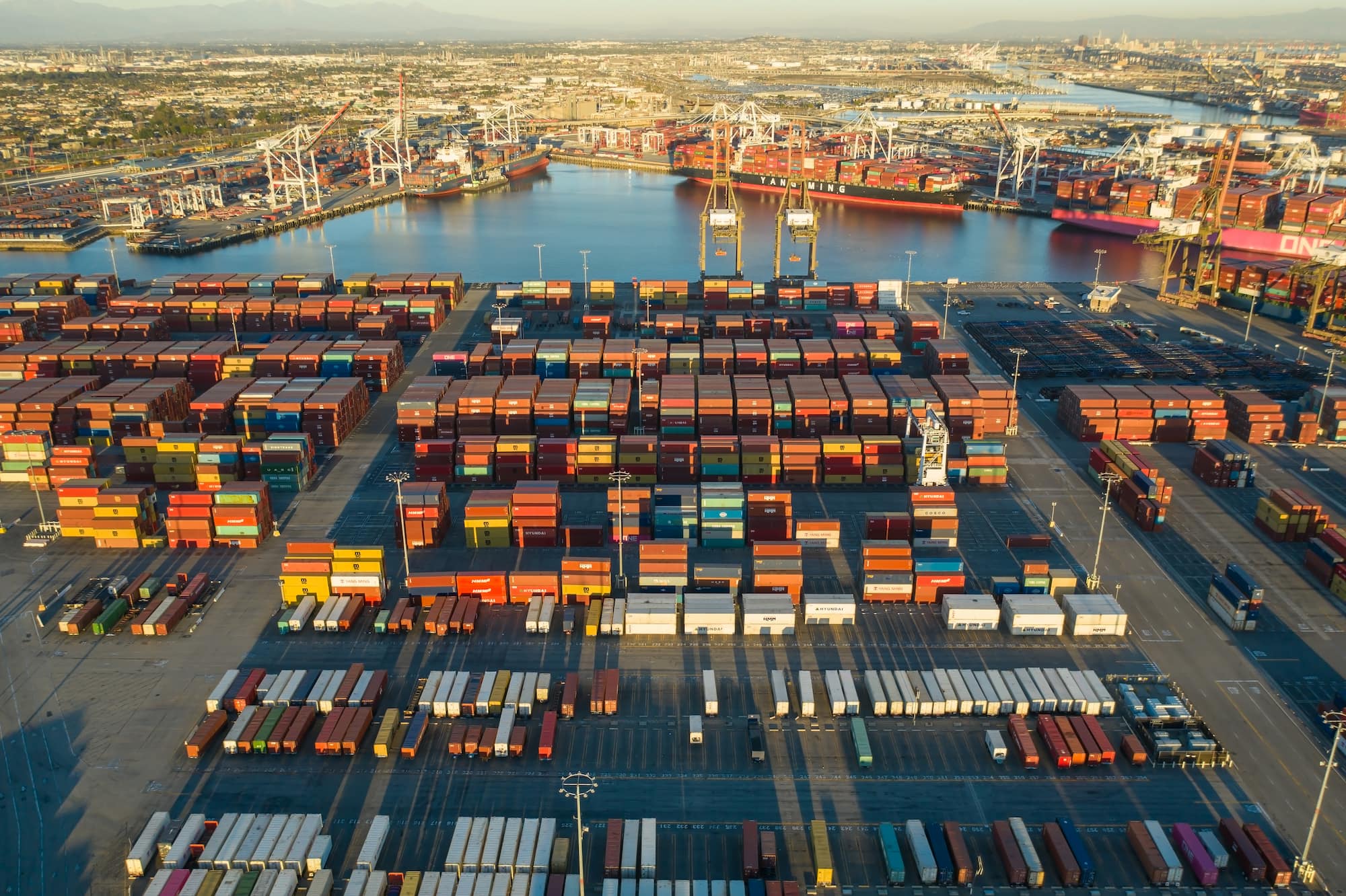
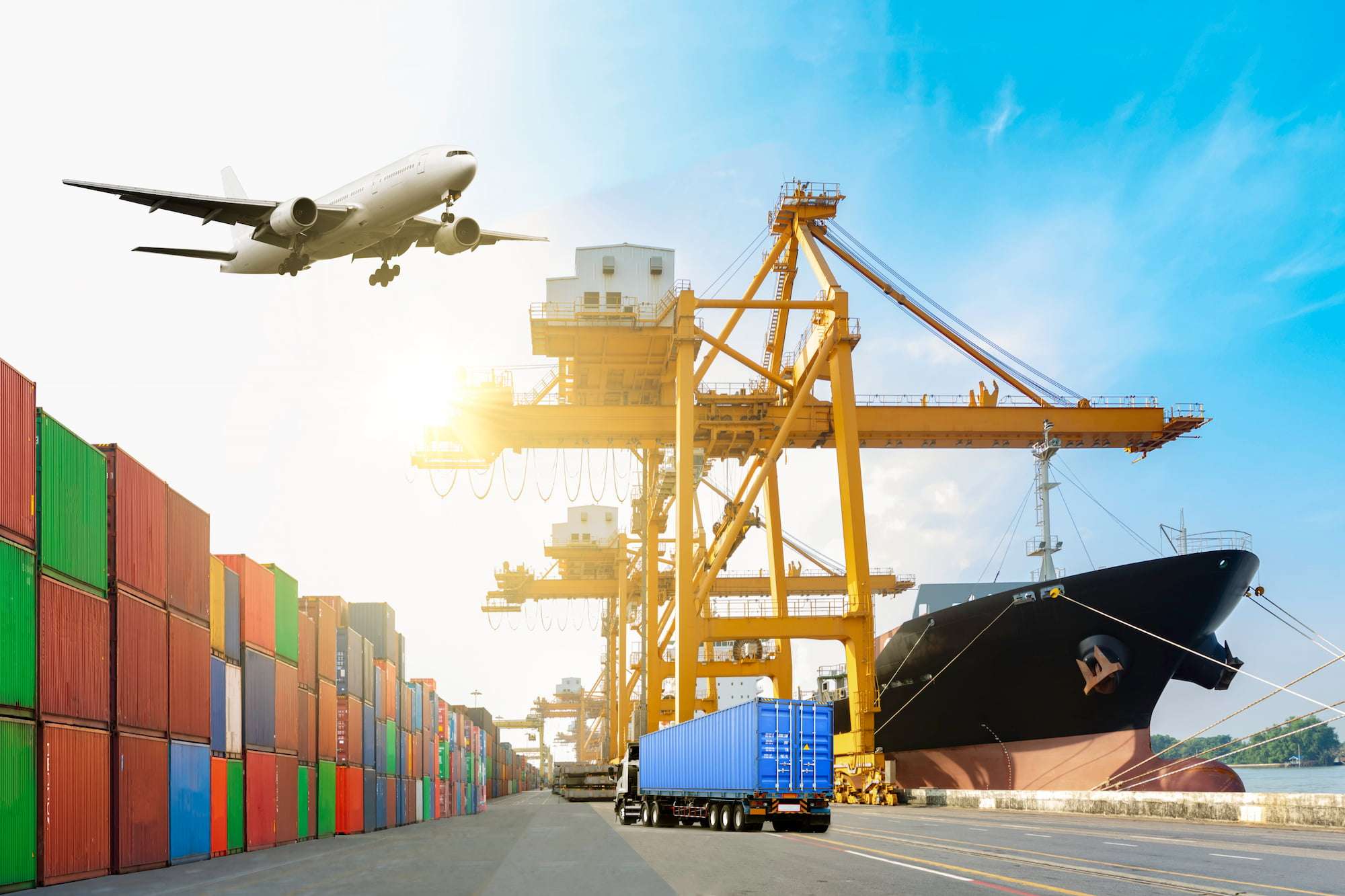
International developments are leading many to expect a cargo surge at U.S. ports in the coming weeks. Particularly on the West Coast, Long Beach and Los Angeles ports may soon see extraordinary volumes. A primary reason is the Gaza war, which has a direct effect on the containers passing through the Red Sea. The U.S. Department of Transportation (DOT) has been monitoring the situation, and stakeholders expect increased congestion across ports. With the number of shippers that rely on the ports, potential delays can adversely affect their supply chains. Despite the predicted shipment surge, ports and inland transportation services are more prepared for the volumes than the COVID-19 pandemic.
What Is Causing The Cargo Surge In U.S. Ports?
The issues between Israel and the Hamas militant group have escalated to a war in 2023. Shippers moving cargo to and from the Red Sea to the Suez Canal were affected by potential delays and attacks. The Suez Canal is one of the most significant artificial canals, with more than 12% of global trade passing through. As the conflict reached the canal, numerous shippers began rerouting to safer locations to protect their shipments. As carriers began switching routes, places like the U.S. West Coast rose in popularity. Instead of going the long route through the Cape of Good Hope in Africa, Asia-U.S. shipments can cut time by nearly 14 days by going to the West Coast.
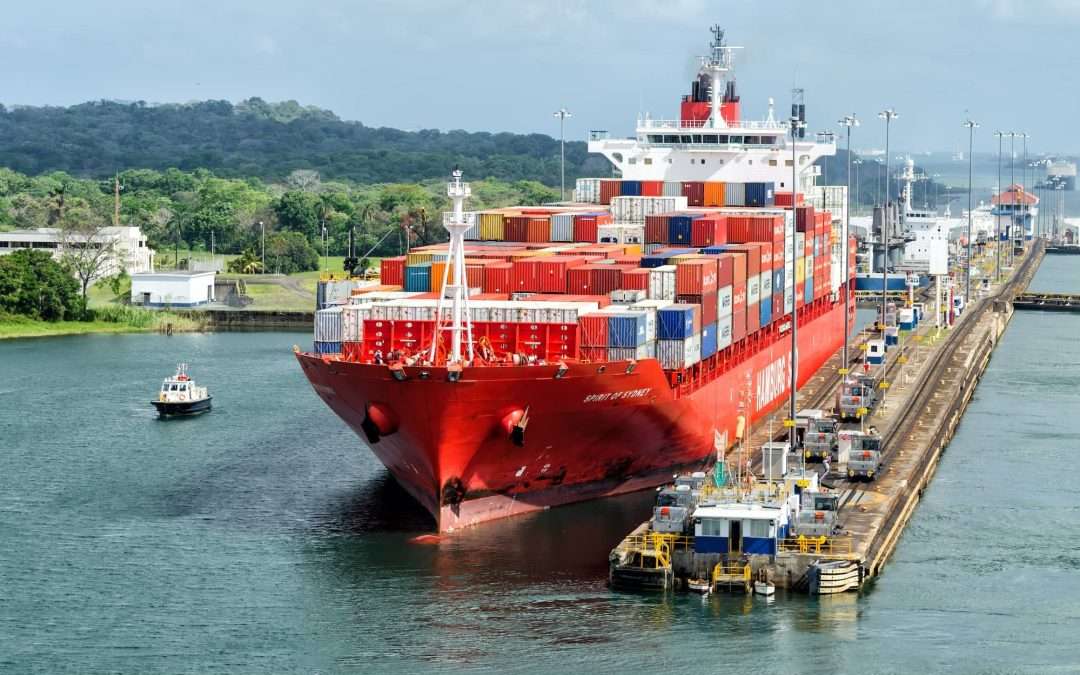
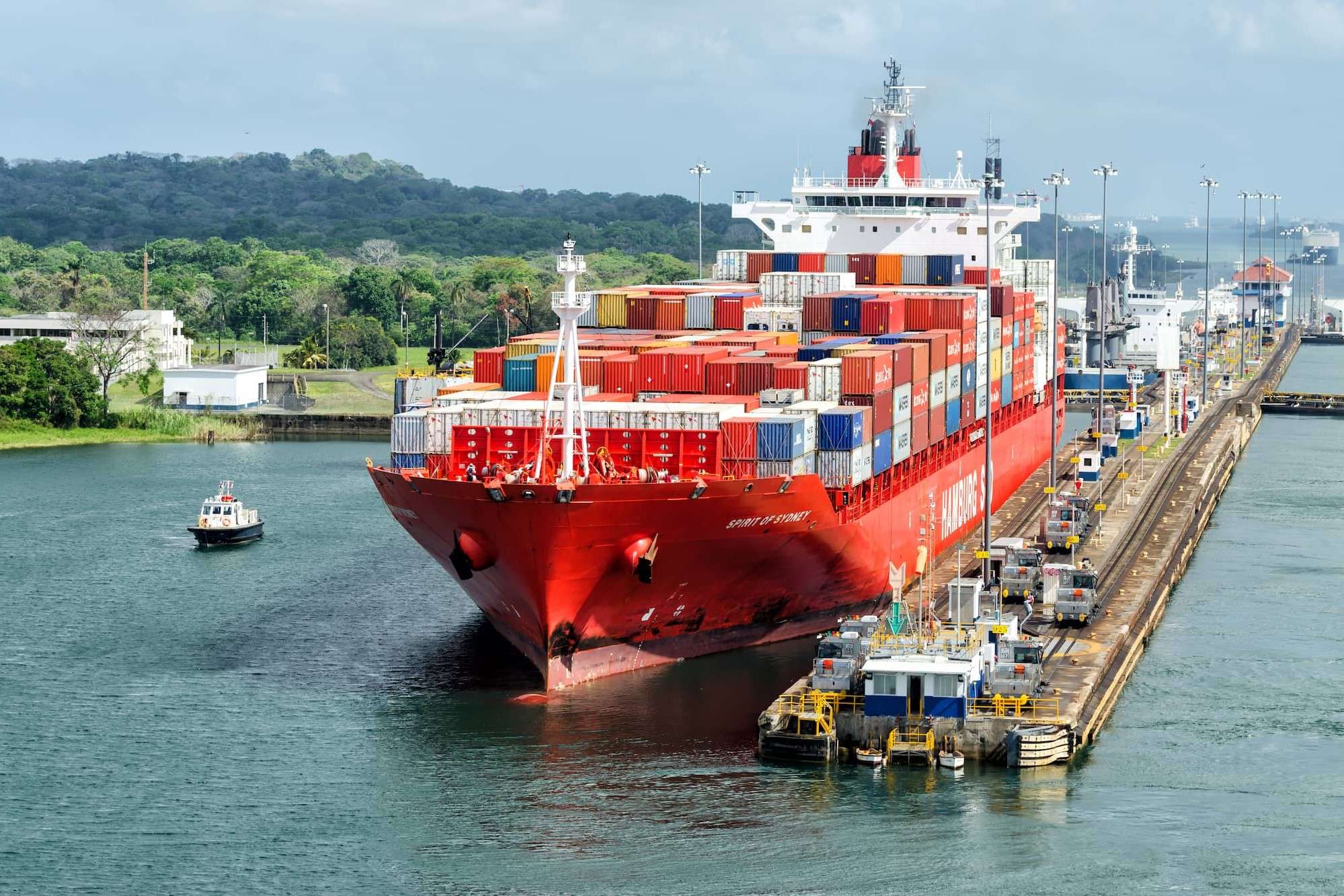
Along with the conflict in the Red Sea, the Panama Canal has been facing a drought. Over the last year, the Panama Canal Authority (ACP) set restrictions on carriers that must pass through. This meant the number of containerships that move through daily went from approximately 40 to nearly 32. A decrease in daily transits led to a backlog of over 100 ships waiting for entry, leading to significant delays. The Panama Canal water shortage initially rerouted cargo going to the U.S. West Coast to the Suez Canal. Now, the situation in the Suez Canal is redirecting ships again to the U.S. West Coast, increasing cargo volume.
How Can You Prepare Your Shipment From Congestion And Delays
With U.S. ports potentially experiencing congestion in the coming weeks, you must prepare your shipment beforehand. Looking at the news or reading shipping web pages could protect your goods from delays by giving you a warning. When your cargo is on the journey to the port, proactive communication with your carrier or logistics provider is critical. Knowing the time expectations beforehand helps you plan your supply chain accordingly and warn your customers about setbacks. Having the documentation ready before the goods enter the port may prevent further delays and demurrage charges. If possible, you can look for alternate nearby ports to import your shipment.
As the West Coast ports get more congested in the coming weeks, protecting your shipment is increasingly essential. While delays can be unfavorable for your supply chain, you can take steps to prevent them from happening. Another way to do this is by speaking to a logistics provider. Logistics companies have various services like freight forwarding and customs brokerage for ensuring the movement of your cargo. Reach A1 Worldwide Logistics at 305-821-8995 or info@a1wwl.com for assistance with importing or exporting to or from the U.S. We have customs brokerage and freight forwarding services to help you navigate the world of international shipping.