What Is a Continuous Customs Bond?
A continuous customs bond is a bond used by importers to cover multiple U.S. Customs transactions rather than arranging a separate bond for each applicable shipment.
If you regularly import commercial goods into the United States, a continuous bond can make the customs process simpler because the same bond can remain on file for multiple entries.
The bond is a financial guarantee involving the importer, a surety company, and U.S. Customs and Border Protection (CBP). It helps guarantee that duties, taxes, fees, and other obligations owed to CBP will be met.
The bond is not insurance that protects the importer against shipping losses or customs charges. The importer remains responsible for its obligations. If the surety has to pay CBP under the bond, it can seek reimbursement from the importer.
At A1 Worldwide Logistics, we assist importers with customs bond requirements as part of our customs brokerage services, along with entry filing, tariff classification, documentation, duties, ISF filing, and cargo release.
When Is a Customs Bond Required?
A customs bond is commonly required when merchandise is being entered formally into the United States.
Commercial imports valued above $2,500 generally require a formal entry, although the requirements can differ for certain commodities and regulated goods. Some shipments involving FDA or another government agency can require formal entry regardless of the usual value threshold.
The bond gives CBP financial security if the importer does not meet an obligation associated with the entry.
This can include the payment of duties, taxes, and fees, but customs bonds can also secure other requirements connected with importing merchandise.
For an importer, the practical question is “Should I use a single transaction bond or a continuous bond?”
Continuous Customs Bond vs. Single Entry Bond
Both types can secure customs transactions, but they are intended for different situations.
|
Continuous Customs Bond |
Single Entry Bond |
| Coverage |
Covers multiple applicable transactions |
Covers one specific transaction |
| Common use |
Businesses importing regularly |
Importers making an occasional shipment |
| Bond amount |
Generally based on annual duties, taxes, and fees, subject to a minimum |
Generally based on the individual shipment |
| New bond for each entry |
No |
Yes |
| U.S. ports |
Can support entries at multiple U.S. ports |
Connected to the individual transaction |
A business importing throughout the year may prefer a continuous bond because it does not need to arrange a new bond for every shipment.
A company making one occasional import may find that a single transaction bond is sufficient.
The right option can also depend on the value and type of goods, expected duties, whether other government agencies regulate the cargo, and how frequently you expect to import.
How Much Does a Continuous Customs Bond Need to Be?
One of the most commonly misunderstood parts of a customs bond is the difference between the bond amount and the price you pay for the bond.
The bond amount is the limit of liability secured by the bond. It is not necessarily what the importer pays to obtain it.
For a standard Activity Code 1 continuous importer bond, CBP generally calculates the bond amount using 10% of the duties, taxes, and fees paid over the relevant 12-month period, with a minimum bond amount of $50,000.
For example, if an importer expects to pay $200,000 in duties, taxes, and fees over the year, 10% would be $20,000. Because this is below the minimum, the continuous bond would generally still need to be at least $50,000.
If an importer expects $800,000 in duties, taxes, and fees, 10% would be $80,000, so a larger bond may be required.
CBP can also require a different bond amount where the circumstances warrant it. Importers with higher duty exposure or changing import activity should not assume that a $50,000 bond will always remain sufficient.
What Does a Continuous Customs Bond Cost?
The cost or premium charged to obtain the bond is different from its face amount.
A $50,000 bond does not mean the importer pays $50,000.
The premium can depend on the bond amount, surety, importer, financial circumstances, and underwriting requirements. Because these factors vary, importers should get the actual bond cost based on their situation rather than relying on a generic online figure.
A1 can review the bond requirement as part of setting up your import and provide the relevant charges before proceeding.
What Happens If Your Customs Bond Is Too Low?
Import activity can change.
A business may begin with relatively modest imports and later increase its shipment volume, import higher-value merchandise, or face higher duties because of changes in tariff treatment.
When duties, taxes, and fees increase, the existing continuous bond may no longer provide enough coverage.
CBP reviews bond sufficiency and can require additional security or a higher bond amount. This is one reason importers with regular shipments should keep their customs broker informed when their import activity changes materially.
Waiting until an entry encounters a bond problem can create an avoidable issue when cargo is already approaching a U.S. port.
Does a Continuous Customs Bond Expire Every Year?
A continuous bond works differently from a single transaction bond.
A single transaction bond is tied to one customs transaction. A continuous bond remains on file and can cover multiple transactions until it is terminated or replaced.
Importers may still deal with annual premium or renewal arrangements with the surety or bond provider, and the required bond amount should be reviewed as import activity changes.
The important point is that you do not normally need to arrange a separate continuous bond for every shipment.
Can a Continuous Bond Cover ISF Filings?
For ocean imports, the customs bond and the Importer Security Filing (ISF) are closely connected.
CBP requires an ISF bond for applicable ocean shipments. An importer with an appropriate continuous bond can generally use that bond to secure its ISF obligations rather than arranging a separate bond for each applicable filing.
This is particularly useful for businesses importing ocean cargo regularly.
The bond does not replace the ISF itself. The required shipment information still needs to be submitted to CBP within the applicable deadlines.
If you are unfamiliar with that process, read our guide to what an ISF filing is.
What About a Single Entry Bond?
A single transaction bond, often called a single entry bond, applies to one particular customs transaction.
CBP states that the amount is generally no less than the entered value of the merchandise plus applicable duties, taxes, and fees.
The calculation can change for certain goods. For example, merchandise subject to requirements from another government agency may require greater bond coverage depending on the applicable rules.
This is why it is better to determine the bond requirement using the actual commodity and entry rather than applying a general formula to every shipment.
Single entry bonds can make sense for occasional importers. Once shipments become regular, repeatedly arranging individual bonds may become less practical than maintaining a continuous bond.
Do I Need a New Continuous Bond If I Change Customs Brokers?
A continuous customs bond belongs to the importer rather than to one individual shipment.
Changing customs brokers does not necessarily mean starting again with a completely new bond. What matters is whether the importer has an appropriate active bond on file and whether the new broker has the authorization needed to conduct customs business for the importer.
When changing brokers, confirm the bond status as part of the handover rather than assuming that it is either automatically cancelled or automatically available.
Your new broker will also generally need a valid Power of Attorney before conducting customs business on your behalf.
How Do You Get a Continuous Customs Bond?
A customs bond is obtained through an approved surety company or through a customs broker acting as an agent for one.
If you are using A1 Worldwide Logistics for your customs clearance, the process can be handled alongside your importer setup.
Typically, this means:
- Provide your importer details.
This includes the information needed to identify the importer and establish the customs brokerage relationship.
- Complete the Power of Attorney.
A1 uses a Customs Power of Attorney so our brokerage team can act on the importer’s behalf for the authorized customs activities.
- Provide information about your imports.
The goods, shipment value, expected import activity, and anticipated duties can affect the bond requirement.
- Determine the appropriate bond.
The shipment and expected import activity are reviewed to determine whether a single transaction or continuous bond is appropriate and what bond amount is required.
- Arrange the bond before the applicable customs transaction.
Once the bond is active, it can be used with the customs entry in accordance with CBP requirements.
If you are planning an import, it is better to address the bond before the cargo arrives rather than discovering during clearance that the required bond is not in place.
Can One Continuous Bond Be Used at Different U.S. Ports?
A continuous importer bond is not limited to one individual port in the same way that a single transaction bond is tied to a particular customs transaction.
This is useful for businesses whose cargo does not always enter through the same location.
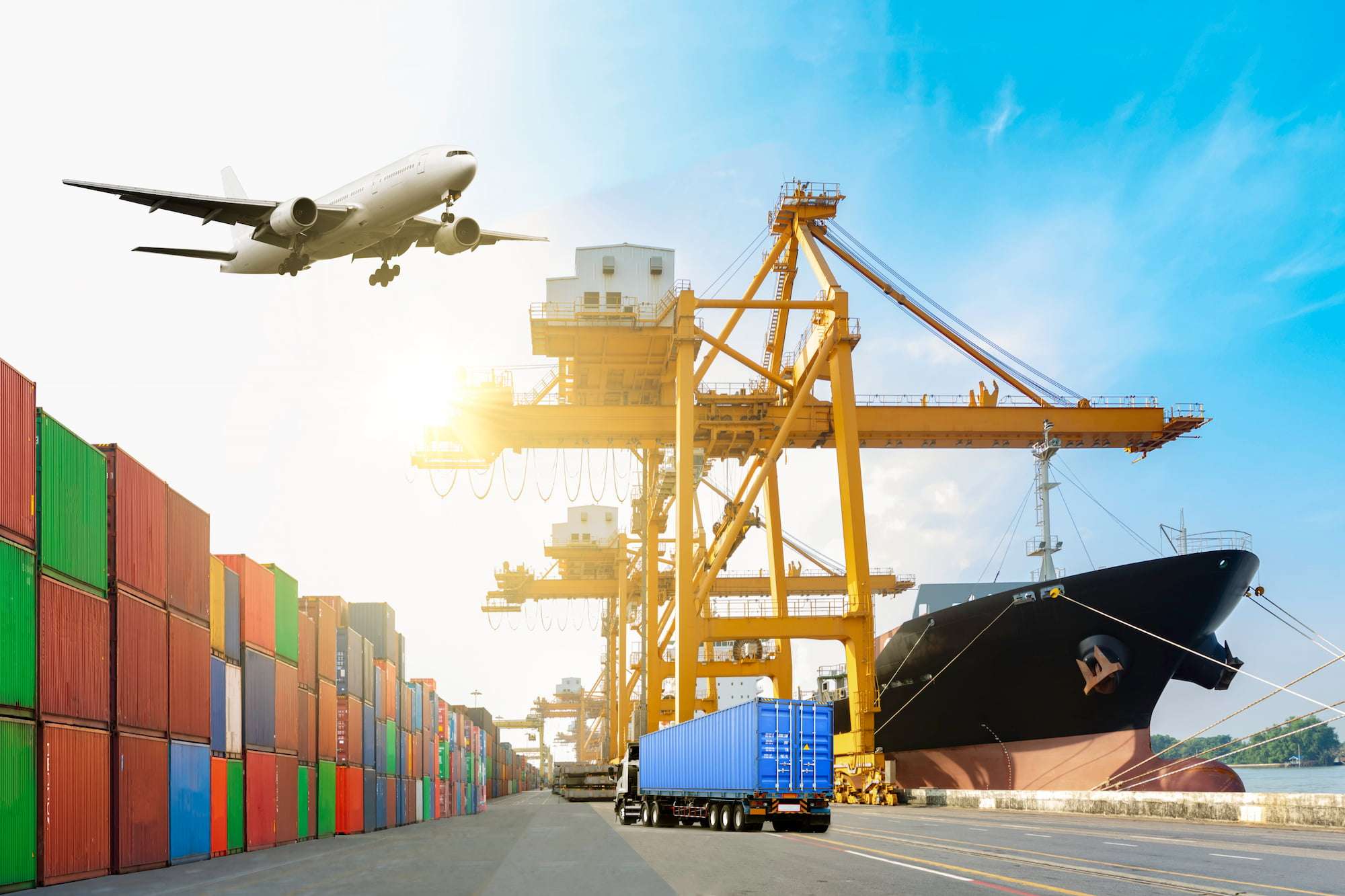
An importer might bring an ocean container through PortMiami, another shipment through the Port of New York and New Jersey, and air cargo through Miami International Airport or JFK. A continuous bond can support the importer’s applicable entries across U.S. ports, provided the bond remains active and sufficient.
A1’s customs brokerage services are also available for imports entering through ports around the United States. Our office is in North Miami, but an importer does not need to be based in Florida or bring every shipment through Miami to work with us.
Continuous Bonds for First-Time and Regular Importers
A first-time importer may not know how often it will import in the future.
If you are making a single shipment, it may be reasonable to compare the requirements for a single transaction bond with a continuous bond. If the first shipment is the beginning of regular commercial importing, it may make more sense to establish the continuous bond from the outset.
Regular importers should also look beyond the number of shipments.
Higher duties can change the required continuous bond amount even if shipment frequency stays roughly the same. Changes in commodities, countries of origin, tariffs, and import volume can all affect the duties and fees being secured.
The bond should therefore be considered alongside classification and expected duty exposure, rather than as a one-time administrative formality.
Need Help With a Continuous Customs Bond?
A1 Worldwide Logistics can assist with customs bond requirements as part of the U.S. import process.
Our customs brokerage team handles customs entries, classification, documentation, duties, ISF filings for applicable ocean shipments, government agency requirements, and cargo release. If required, we can also help coordinate final delivery after the shipment has cleared Customs.
From our North Miami office, we work with first-time importers and established businesses bringing cargo through PortMiami and other U.S. ports.
If you have an upcoming shipment and need to determine whether you require a single entry or continuous customs bond, contact A1 Worldwide Logistics at 305-821-8995 or info@a1wwl.com.