Air freight rates to rise in the next months
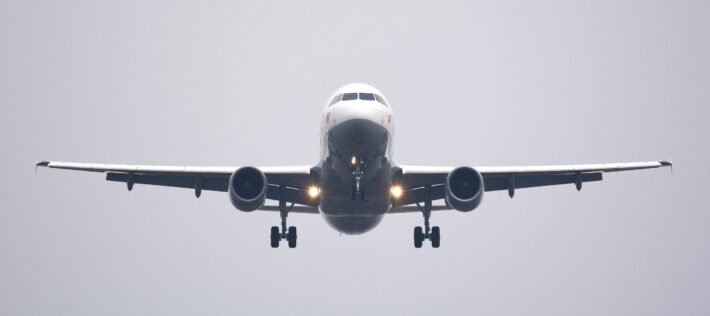
Around the time the coronavirus pandemic began, air freight rates began to have significant volatility. With the rates going up and down multiple times in the past few years, they tended to rise higher every time they went up. The air freight prices could reach new records in the next few months. The pandemic has created a dependence on different methods to transport freight, such as by air. This is during a time of limited capacity due to the pandemic. In 2022, with Russia invading Ukraine, China’s lockdown, and rising oil prices, this trend of air freight rate increase may persist.
Russia and Ukraine conflict
The war in Ukraine has directly affected the air cargo industry. Many carriers have been canceling their flights or taking longer routes to avoid the situation going on in Ukraine. While carriers started having a declining number of flights through Russia than before the war, the airspace in Ukraine has completely closed for flights. Many of the world’s biggest cargo aircrafts are located in Ukraine and Russia. Because of the war, the large cargo aircraft cannot be used. This results in a limited capacity for shipping by air and rise air freight rates on a large scale.
Another result of the conflict in Ukraine is the longer transit times for flight routes between Europe and Asia. To cope with the longer transit times, freight carriers may have to charge higher fuel prices. Significantly, when fuel costs are already rising, the longer routes will only add to the increasing rates. Different air carriers have also added extra surcharges for moving freight, such as a charge for border crossing.
China Lockdown
Last month, a surge in coronavirus cases led to a lockdown within several cities in China, including Shanghai. Shanghai is known to have the biggest seaports globally, the Port of Shanghai. With an estimated container value of 43 million TEU yearly, many supply chains around the world depend on the Port of Shanghai to move their freight. The lockdown limited the number of workers at the port, which slowed port operations. Since goods still had to move globally, shippers looked for other alternatives to move their goods. Shippers not only began switching to different seaports but airports as well.
When many shippers switch to air to move their goods, the capacity becomes tight and limited space means that the cost to move freight by air may go up. Like seaports, many airports in China have also felt the effects of lockdown. The Shanghai Pudong International Airport in Shanghai has recently begun announcing flight cancelations. Because of the lockdown, freight can also not be transported and picked up at the PVG airport. This leads to shippers moving freight to other airports, increasing cargo volume in those airports and air freight rates.
A1 Worldwide Logistics
Over the last few years, air freight transportation has seen its fair share of predicaments, and things may worsen. With the airfreight rates predicted to rise, we want you to be prepared and protect yourself from any surprises. Contact A1 Worldwide Logistics at 305-821-8995 for assistance with moving your goods. We will find the best rates and carriers to get your goods where they need to be. Our company will provide the best solution for your freight forwarding needs, whether importing or exporting.