Exporting Cargo Out Of Miami
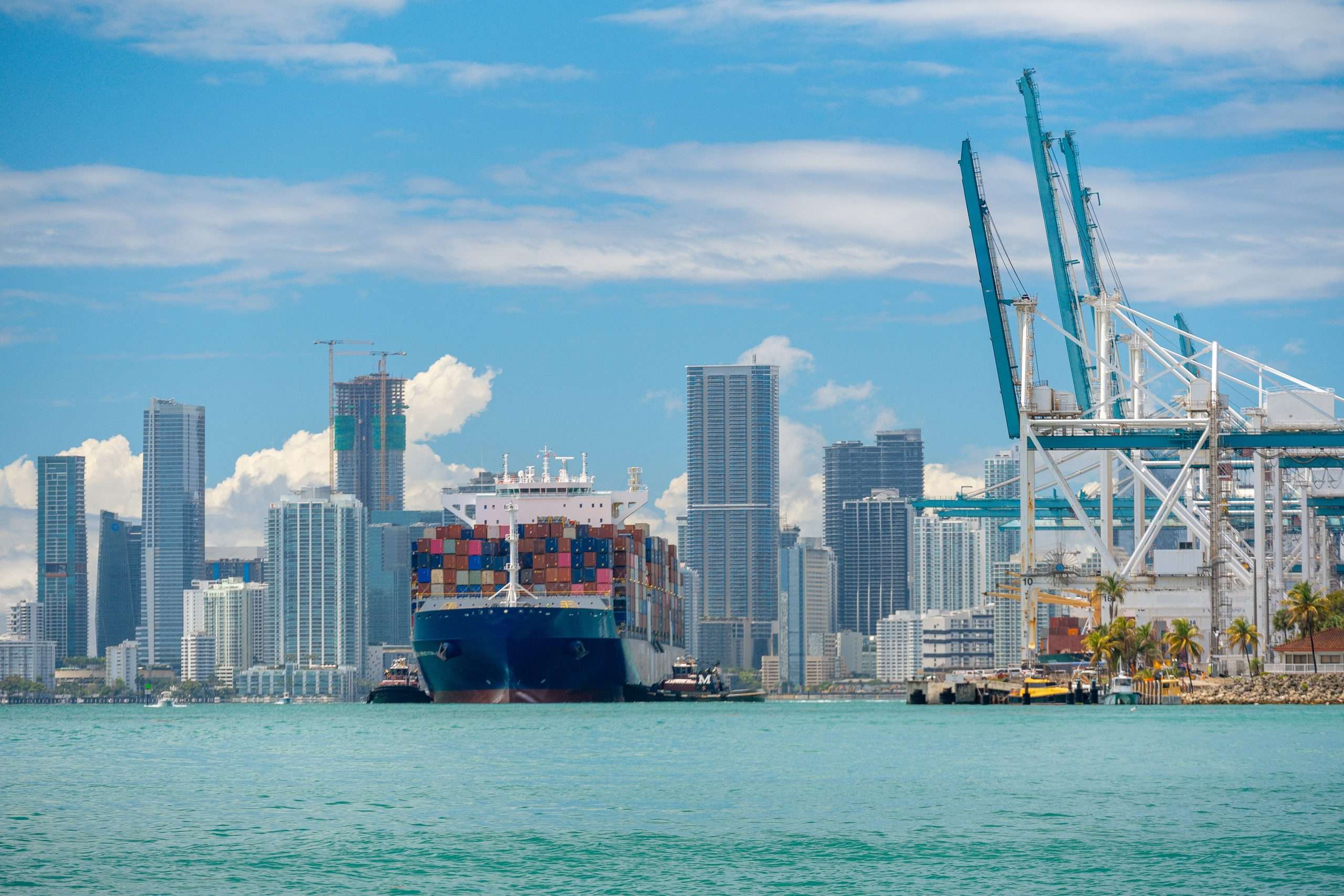
Exporting cargo out of Miami can be an excellent opportunity; however, there are many considerations to understand before starting. Miami is widely known as one of the biggest transportation hubs in the US. This is due to international gateways like the Port of Miami and the Miami International Airport. Each year, the city moves a significant amount of cargo, including perishables, machinery, electronics, general merchandise, and more. Miami’s location also makes it ideal for domestic transport to reach different parts of the US. Despite the benefits, there are several things you should understand before deciding to export from Miami.
What Should You Know Before Exporting Cargo Out Of Miami?
Before deciding to export from Miami, it is essential to understand key information about the cargo you are shipping. This can include the Harmonized System (HS) code, which varies depending on the goods that you are exporting. An HS code is a number assigned to internationally traded products for classification. Another important consideration is having the proper documentation before shipping. Although the documents needed depend on the cargo, general documents include;
- Commercial Invoice/ Airway Bill
- Bill of Lading
- Pro Forma Invoice
- Packing List
- Electronic Export Information (EEI)
Understanding the regulations for the country that you are exporting to is also essential to prevent customs holdups.
What Is The Process?
The process begins before the goods are loaded onto the carrier. Shippers must package and label the cargo correctly before loading it to prevent damage. They must also choose a transportation method and, if possible, understand the differences between sea, air, and land transport. Before the goods reach their destination country, the shipper must also determine the Export Control Classification Number (ECCN) or Schedule B/HS code and the HTS code. The documentation must be done correctly to prevent delays upon entry. Once the goods reach the destination country and clear customs, a carrier can be used to move the goods to their final destination.
Although this article explains the main parts of the export process, there are other parts the shipper should understand. Failing to do so can disrupt the supply chain and lead to penalties such as delays and monetary loss. A good way to ensure your goods are successfully transported out of Miami is to speak with a freight forwarder. Forwarders act as the middlemen that coordinate freight transport for the shipper. They do this by providing various services such as cargo movement, customs clearance, warehousing, and more. Forwarders also provide consultation to ensure that the cargo reaches the destination country. Contact our forwarders at info@a1wwl.com or 305-425-9456 to begin transporting your goods internationally.