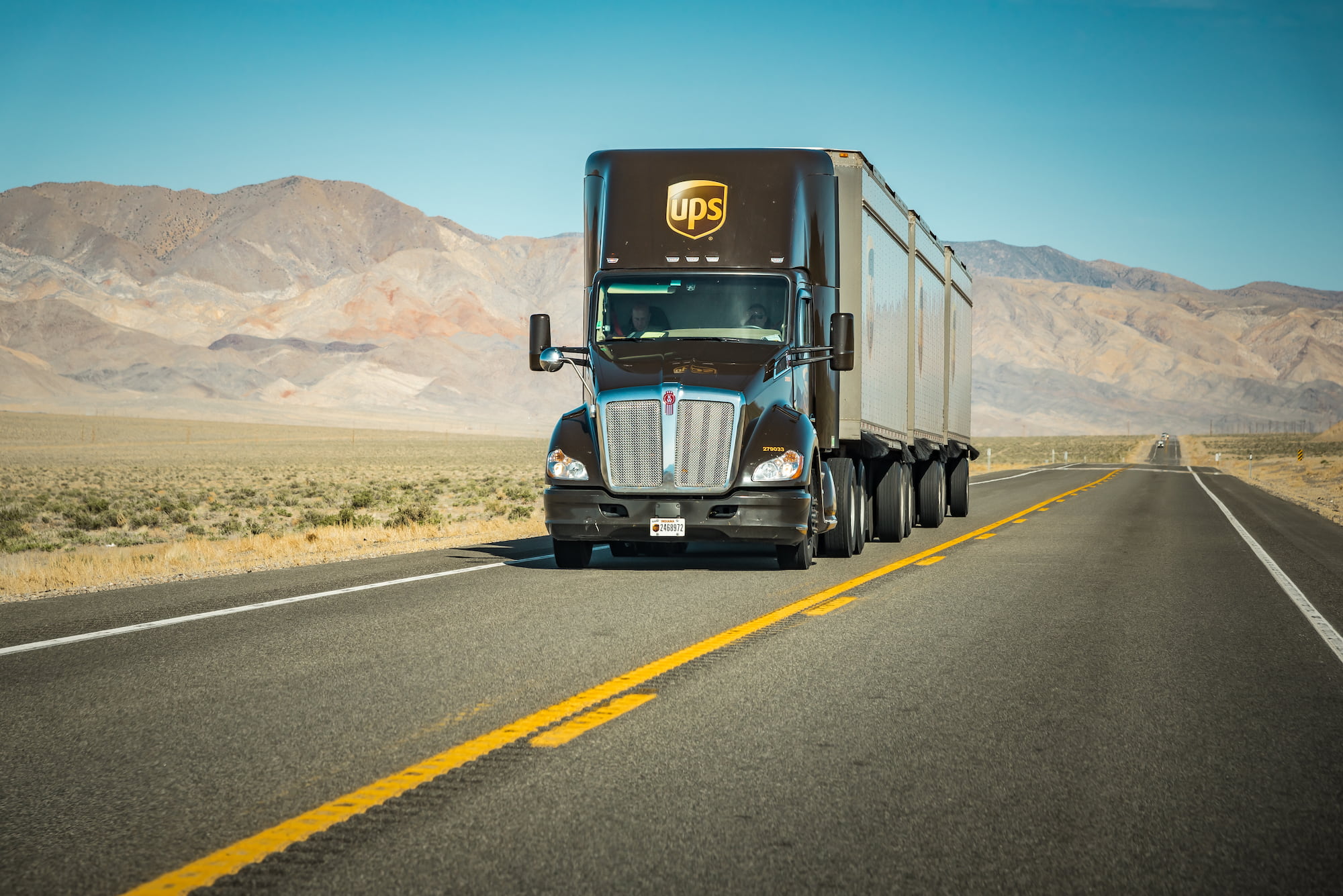
After months of back and forth, UPS vows to reach deal with Teamsters by July 5th. UPS (United Parcel Service) is the largest package shipping company in the U.S. in terms of volume. Recently unsatisfactory contract negotiations between UPS executives and workers have reached a point where a strike was looming. The workers are part of Teamsters, an extensive union of freight drivers and warehouse laborers in the U.S. More than 340,000 UPS employees comprising the Teamsters Union have been negotiating a contract reflecting their work. Last week, 97% of Teamster members voted to protest if UPS did not achieve a compromise.
With the amount of Teamsters workers in UPS, a walkout could be the largest single-company strike in U.S. history. The Teamsters General Secretary-Treasurer noted, “Our members are the backbone of UPS, and they are the reason this corporation hauled in more than $100 billion in revenue just last year.” Along with higher wages, the negotiated contract ended harassment from management and forced overtime. The conversations also brought up the elimination of a two-tier wage system and heat mitigation efforts for drivers. UPS vans that delivers drive do not come equipped with air conditioning, which Teamsters workers are demanding to install.
UPS Vows to Reach Deal by July 5th
One of the reasons why talks between the UPS and Teamsters have not gone so smoothly is due to contract ramifications. A new contract with higher employee pay can lead to UPS finding ways to offset the monetary losses incurred. This could mean looking for larger-sized clients like businesses compared to individuals. A slowing economy and recent inflation are also concerns for UPS if the parties ratify a new contract. With demand predicted to continue slowing throughout the end of 2023, deciding to charge higher rates can have negative effects. UPS’s competitor FedEx, which is currently taking out billions to potentially offer lower rates, may seem more attractive to customers.
On Friday, June 30th, Teamsters announced that UPS planned on reaching a contract agreement by July 5th. The announcement was made before the current 5-year national contract expires on July 31st. With the potential of a strike from Teamsters happening if no resolution is reached, this comes as positive news. A strike not only affects UPS, customers, and the economy feel the impact because of the size of UPS. Teamsters, however, noted that they will have a walkout on August 1st if UPS doesn’t reach an agreement by then.
What Can This Mean for Your Goods?
With over 17 million domestic packages delivered daily, a strike could drastically impact UPS’s customers. As mentioned, a new contract with higher labor costs leads to greater money loss for UPS. To compensate, UPS may begin charging higher rates and surcharges to their customers. A main concern is that UPS may lose customers if shipping becomes more expensive due to the current cost-sensitive market. Customers who ship globally could switch to alternatives like freight forwarders to ship their cargo. If you plan on exporting from the U.S. to anywhere internationally, contact A1 Worldwide Logistics at 305-821-8995 for assistance.