The Panama Canal Facing Restrictions
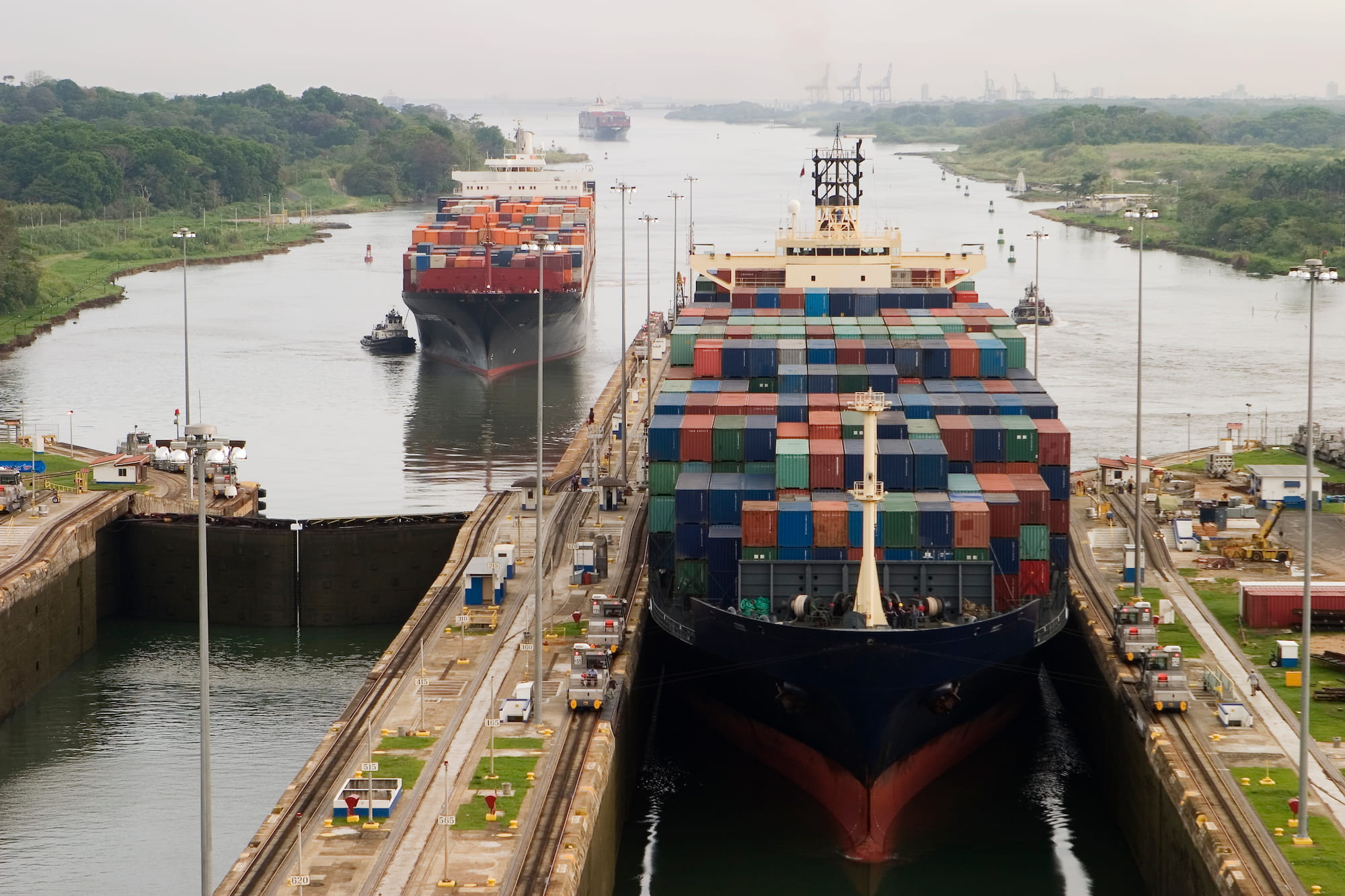
A recent drought has led to the Panama Canal facing restrictions. The Panama Canal is an artificial passageway that connects cargo ships to the Atlantic and Pacific oceans. It is a crucial shortcut that cuts shipping journeys by thousands of miles. Since June 5th, limits have been placed on the canal due to recent climate changes causing a drought. While dryer weather tends to happen every five years in Panama, the span has reportedly sped to three years. The levels of dryness have also rose, with 2023 being the driest year on record since 1950. Panama’s national government has declared an environmental emergency due to minimal rainfall in the past months.
What are the Restrictions
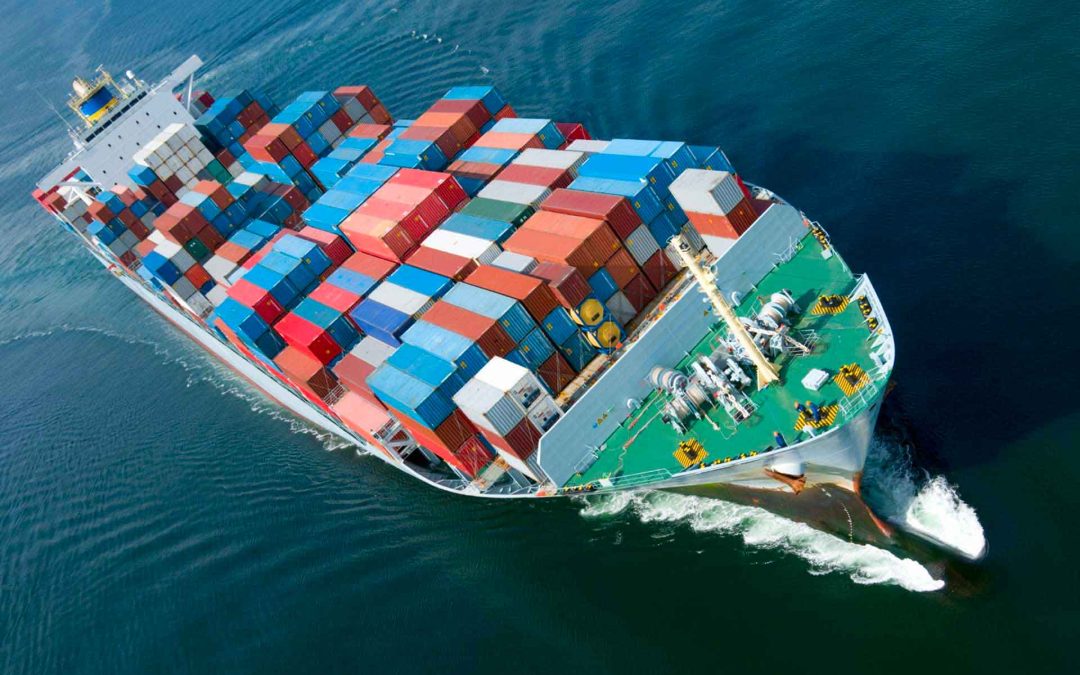
Draft limits for carriers passing through the Panama Canal have recently been cut to a maximum of 44.5 feet (13.56m). Canal officials will also reduce the draft limit to 43.5 feet (13.26m) on June 25th. The standard draft maximum in the Panama Canal is 50 feet (15.24m). A boat draft is the vertical distance between the waterline and the deepest boat point. The canal’s restrictions are in place to determine how deep the vessel can float in the water. Boats meet the guidelines by transporting less weight, which is accomplished by shipping fewer containers. Neopanamax vessels, which were permitted entry at the creation of the third set of locks, are the only type affected by the rules.
The last severe drought in the Panama Canal was in 2019-2020. Climatologists forecast that the dry conditions will continue to grow with the El Nino weather pattern arriving soon. El Nino tends to bring drier and warmer climates Across most of Central America. When the phenomenon hit Panama in 2015, the ACP (Panama Canal Authority) reported a revenue loss of $40 million. The ACP has warned that if conditions worsen, they will lower the number of daily crossings. The current number is 35 vessels daily, which may drop to less than 32.
What Does The Panama Canal Facing Restrictions Mean For Supply Chains
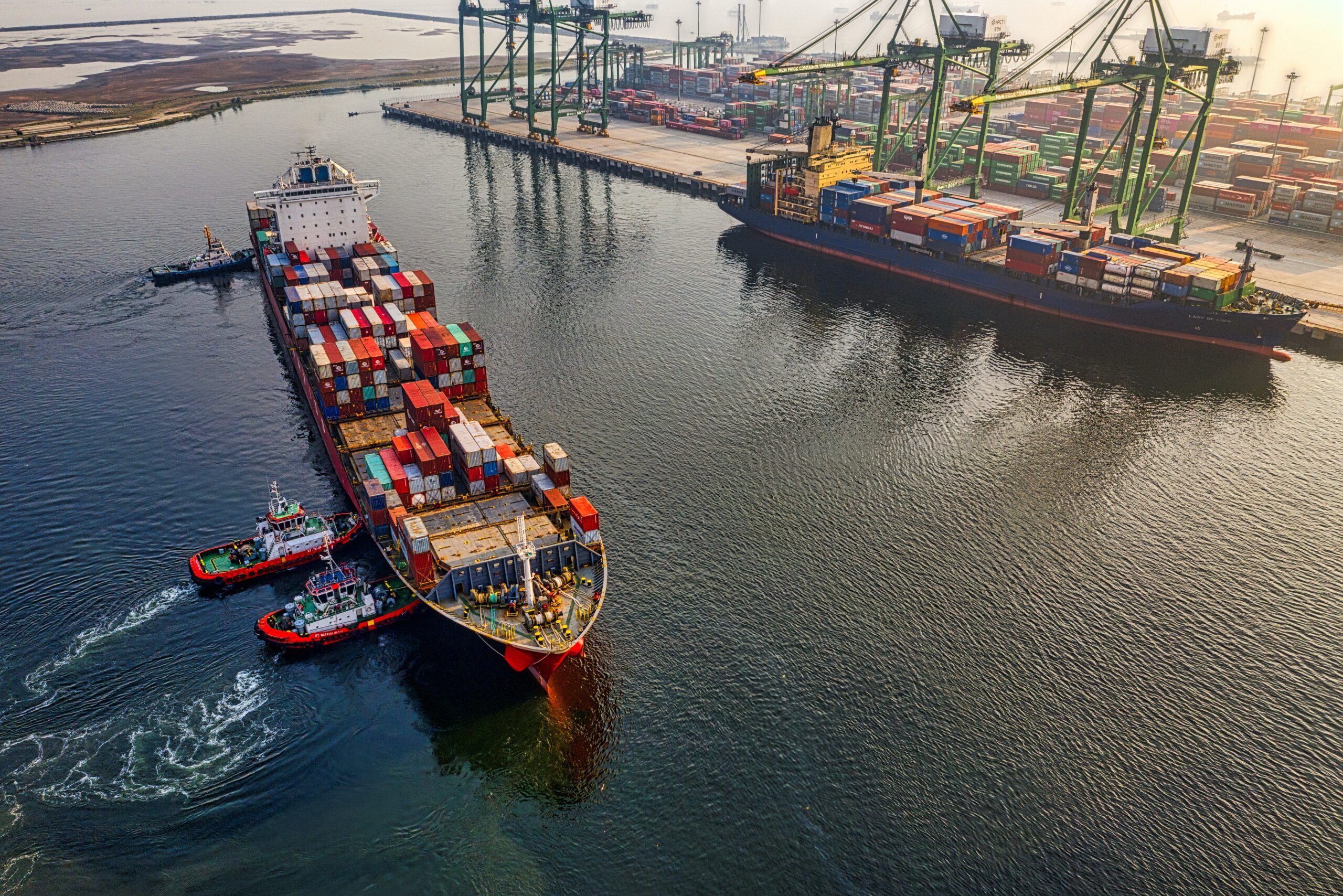
The Panama Canal is a crucial global trade route and a significant passageway for supply chains requiring international shipping. It is an ideal shortcut in maritime container transportation and beings in over $2 billion yearly for Panama’s economy. With some of the largest carrier companies transporting through the canal, restrictions may significantly impact supply chains. In the past, the charges led shippers to look for other routes to ship their goods when dryer conditions occurred. Specific carriers have already started applying surcharges for containers entering the U.S. East Coast from Asia.
While the shipping world can be unpredictable, it should not stop you from growing your supply chain. Shippers should, however, be up to date with any changes or new regulations in the industry. The importer/exporter should also take precautions to prevent any mishaps. Having a freight forwarder coordinate the shipping process for you is the best way to ensure secure freight movement. A forwarder guides you through the entire transportation journey from start to finish while educating you along the way. Contact A1 Worldwide Logistics at 305-821-8995 to speak to our export freight forwarders regarding the movement of your cargo internationally or domestically.