How 3PLs Help With E-Commerce

How 3PLs Help With E-Commerce

When starting an online business, it is important to consider how 3PLs help with E-commerce. Third-party logistics providers (3PLs) are service providers that handle various parts of the supply chain for businesses. As the e-commerce industry has grown over the last...

New Regulations Reshaping Logistics

New Regulations Reshaping Logistics

International and domestic shipping could soon see new regulations reshaping logistics industry compliance. In the last few months, two regulatory decisions have impacted five major sectors of the logistics industry. These include freight brokers, freight forwarders,...

The US And Iran Reach A Deal

The US And Iran Reach A Deal

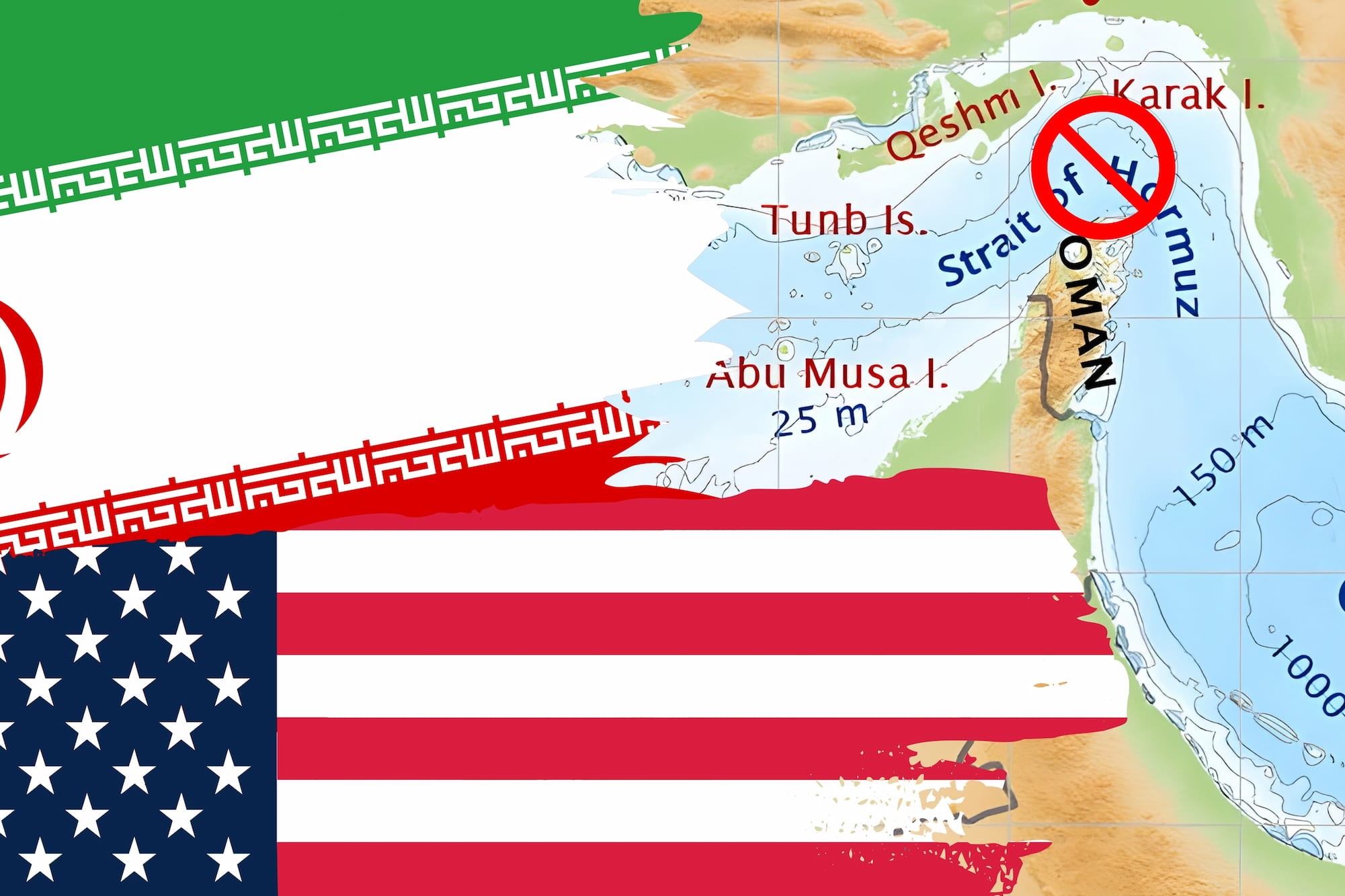
The US and Iran reach a deal to open the Strait of Hormuz following months of tension between the nations. On June 14, President Trump announced that the countries reached an agreement to end the war that closed the strait. Although Trump has not yet released the full...

Tariffs Impacting Steel Imports

Tariffs Impacting Steel Imports

International shipping could continue to feel the effect of tariffs impacting steel imports. Over the last year, the Trump Administration imposed levies on various goods shipped into the US.  Along with a 10% reciprocal tariff on all countries, Trump placed tariffs on...

Strait Of Hormuz Is Still Clogged

Share This Article

The Strait of Hormuz is still clogged as an ongoing conflict in Iran continues. US involvement has escalated a war between Iran and Israel in recent times. As the countries involved escalated the conflict, Iran closed most of the strait on February 28, 2026. Since then, the Strait of Hormuz has operated at limited capacity. The US responded to the blockade by enforcing a naval blockade restricting traffic around the region. Despite claims that the Strait of Hormuz is open after the blockade, Iran noted that it remains mostly closed. Due to the strait’s importance, shippers have felt and could continue to feel the impact of the closure.

How Has The Strait’s Closure Impacted Shipping?

Along with being an important waterway for international trade, the Strait of Hormuz is responsible for nearly 20% of the world’s oil and liquefied natural gas (LNG). When Iran closed the Strait, gas prices surged in the US, reaching a national average of $4.14 by April. Higher oil prices increased costs across various supply chain components, including fuel costs, which in turn raised ocean freight rates. The closure also negatively affected food supply chains, as ships carrying fertilizer and sugar couldn’t pass through. The waterway working at limited capacity resulted in greater congestion in US ports as well, due to off-schedule vessels.

How Can Shippers Prepare While The Strait Of Hormuz Is Still Clogged?

While the Strait of Hormuz is still clogged, shippers must take action to avoid supply chain disruptions. With the waterway serving as a shortcut for shippers, this can mean rerouting around the Cape of Good Hope. However, rerouting may be more costly and extend the shipping process. If possible, switching to air or land can help avoid delays. Importing or exporting before the closure escalates further may be essential in preventing greater disruptions. Shippers can also prepare by transporting cargo to and from other countries unaffected by the conflict. If the importer can source their cargo domestically, it may alleviate shipping disruptions and also prevent transport delays.

Despite the current conflict in the Strait of Hormuz affecting shipping, it should not stop international cargo movement. Shippers should, however, understand the affect their shipment and take the proper precautions. In addition to staying current with regulations, shippers can do so by speaking with a freight forwarder like A1 Worldwide Logistics. Forwarders are third-party companies that act as intermediaries between the shipper and the carrier transporting the goods. They do this by offering solutions like providing paperwork, coordinating cargo movement, negotiating rates, warehousing, and more. forwarders also offer consultation for navigating disruptions that can affect their shipments. Contact us at info@a1wwl.com or 305-423-9456 to speak with our forwarder about importing or exporting anywhere in the world.

A1 Worldwide Logistics, Inc.

📍1035 NE 125th St #320, North Miami, FL 33161, USA

🌍 a1worldwidelogistics.com

📞 305-821-8995

🕒 Hours: 8AM – 5PM

Send your request

3pls have helped e-commerce businesses grow over the last decade.

How 3PLs Help With E-Commerce

From warehousing and inventory management to order fulfillment, shipping, and returns, 3PLs help e-commerce businesses streamline operations, and reduce costs.

The logistics industry could soon see the impact of new regulations appearing over the last few months.

New Regulations Reshaping Logistics

The logistics industry could be entering a new era of compliance including recent developments the Montgomery v. Caribe Transport II ruling and a new White House Executive Order targeting forced labor, and misclassification.

The government has denied the CIT's motion for a Section 122 tariff stay.

CIT Denies Section 122 Tariff Stay

The tariff battle is far from over. The Court of International Trade (CIT) has denied the government’s request to pause enforcement of its ruling striking down President Trump’s Section 122 tariffs.

What should shippers understand with the first wave of tariff refunds starting May 12.

Tariff Refunds Starting May 12

Big news for importers! The first wave of tariff refunds is set to begin May 12, giving businesses a long-awaited opportunity to recover funds paid under the now-overturned IEEPA tariffs.

Freight forwarding in Miami is an excellent opportunity for shippers.

Freight Forwarding In Miami

Whether importing into or out of the US, freight forwarding in Miami can be an ideal solution for your shipment.