How to Ship Goods Internationally: A Guide for Businesses

How to Ship Goods Internationally: A Guide for Businesses

Shipping goods internationally can mean very different things depending on what you are moving. Sending a box overseas with a parcel carrier is one process. Moving pallets, machinery, a full container, or commercial inventory between countries involves freight...

How to Choose the Right Customs Broker

How to Choose the Right Customs Broker

Choosing a customs broker is an important decision for any business or individual importing goods into the United States. Your broker can help prepare your customs entry, classify your goods, calculate duties, manage documentation, and communicate with U.S. Customs...

Panama Canal Fees Continue To Rise

Panama Canal Fees Continue To Rise

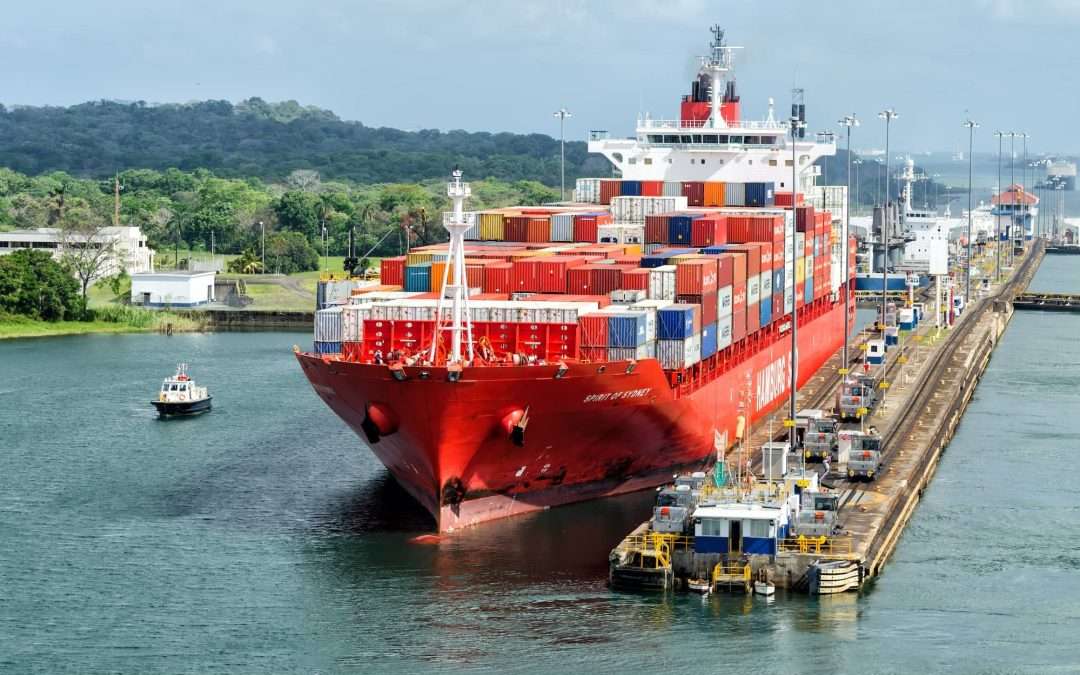
Shippers may soon face higher costs as the Panama Canal fees continue to rise. Over the last few months, various scenarios have driven transit fees higher. Major carrier companies have begun raising their Panama Canal Surcharge from $100 per TEU to $130 and nearly...

Importing Cars From Canada

Importing Cars From Canada

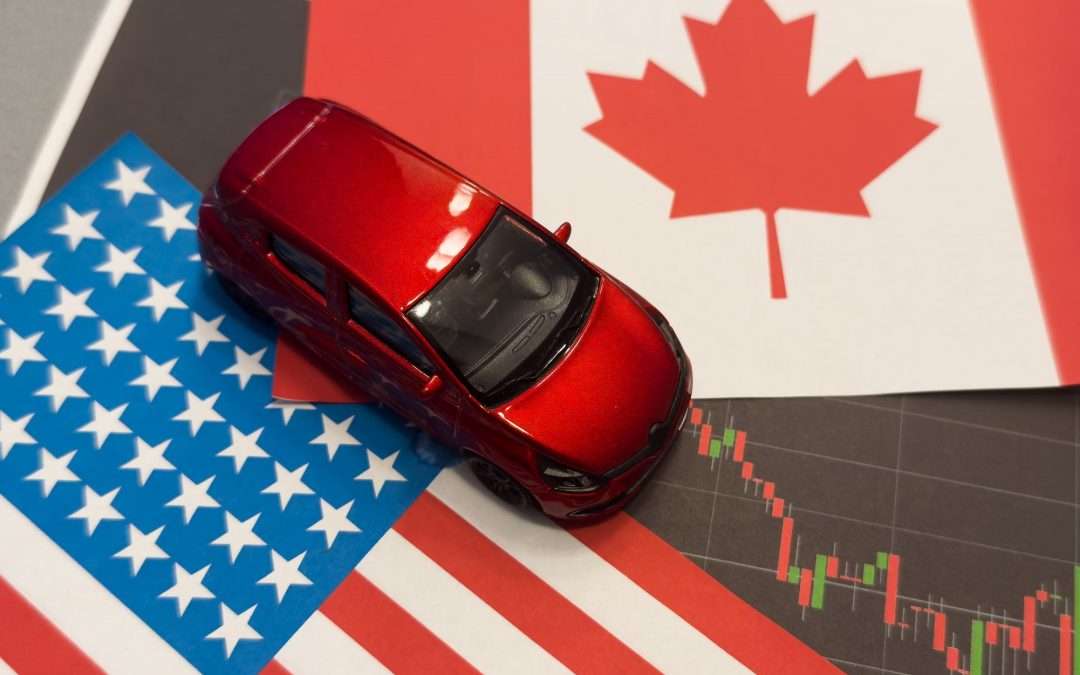
Although importing cars from Canada can benefit importers and businesses, it can be confusing for the average shipper. Canada’s proximity to the US makes cross-border vehicle transportation relatively accessible. In addition to offering easy access, Canada is an...

CBP Launching A Refund Portal

Share This Article

Phase one of CAPE will soon begin with CBP launching A Refund Portal on April 20. The Consolidated Administration and Processing of Entries (CAPE) portal is a tool for IEEPA tariff refunds. President Trump originally imposed the International Emergency Economic Powers Act (IEEPA) in 2025 to enforce reciprocal levies on importers. In particular, to address trade deficits, illegal migrants, and the influx of illegal drugs into the US. With the Supreme Court striking down the IEEPA tariffs, CAPE will soon begin on the Automated Commercial Environment (ACE). With phase one of the CAPE portal starting on April 20, importers should be prepared and understand what to expect.

Why is CBP Launching A Refund Portal?

CBP is developing a CAPE portal in response to the Supreme Court ruling that IEEPA tariffs are illegal. Following the ruling, the Court of International Trade (CIT) ordered CBP to refund all importers who paid IEEPA tariffs. Due to the volume of levies the IEEPA refund, CBP created CAPE to streamline the process. While the refund portal is phase one of the CAPE system, the system will have four phases, including:

  • CAPE Portal
  • Mass Processing
  • Review And Liquidation or Reliquidation
  • Refund

CHB notes that the CAPE portal will process refunds 60 to 90 days from the declaration acceptance date. Once the portal is complete, all IEEPA amounts will be refunded via electronic payment.

How Should Importers Prepare for the Refund Process?

With the Cape refund portal set to start soon, it is essential to prepare and understand the process in advance. Importers must ensure that all information in the ACE portal matches the entry that they originally declared. This means that duty amounts, HTS classifications, and the importer of record information must be correct. There may also be additional documentation and scrutiny that shippers must be aware of and account for. Shippers must understand that eligibility for phase one will be limited to unliquidated entries and entries within approximately 80 days of liquidation. Importers should also pay attention to news regarding the CAPE system by checking websites that provide constant updates.

Although the refund portal is an excellent opportunity for shippers, it may be confusing for inexperienced importers. Another way to prepare for using the CAPE system is to speak with a customs broker. Brokers are licensed individuals or corporations that arrange customs clearance for imports on behalf of the importer. They do this by acting as intermediaries between the importer and CBP. Brokers provide solutions such as calculating duties, providing documentation, filing entries, and more. They also provide consultation for guiding you through situations like a tariff refund. Reach A1 Worldwide Logistics at info@a1wwl.com or 305-912-0631 to speak to a broker regarding a shipment’s success.

A1 Worldwide Logistics, Inc.

📍1035 NE 125th St #320, North Miami, FL 33161, USA

🌍 a1worldwidelogistics.com

📞 305-821-8995

🕒 Hours: 8AM – 5PM

Submit your request

Container in transit to port

What Is Demurrage? Container Charges, Detention, and Free Time

What Is Demurrage? Container Charges, Detention, and Free Time Demurrage is a charge that can apply when an import container remains at a marine terminal beyond its allowed free time. Detention generally applies when the carrier’s container has been collected but is...
Using a customs brokerage is essential for ensuring a successful customs clearance.

What Is a Continuous Customs Bond?

What Is a Continuous Customs Bond? A continuous customs bond is a bond used by importers to cover multiple U.S. Customs transactions rather than arranging a separate bond for each applicable shipment. If you regularly import commercial goods into the United States, a...
Importing goods into the united states

How to Import Goods Into the United States

Buying goods from an overseas supplier is only one part of importing them into the United States. Before the shipment leaves, you need to know whether the product can enter the country, who will act as the importer, what duties or additional tariffs may apply, what...
Understanding what are warehousing services can significantly improve your supply chain.

Why Use Warehousing Services?

Looking for a smarter way to manage your cargo? Warehousing services can provide more than just a place to store your goods—they offer numerous value-added services before your cargo reaches its final destination.

This is a guide on how to ship goods internationally.

How to Ship Goods Internationally: A Guide for Businesses

Commercial international shipping can involve freight transportation, carrier bookings, complex documentation, customs requirements, and much more. 🚢✈️ Understanding these steps can help you avoid delays, unexpected costs, and compliance issues.