Class Action For IEEPA Refunds

Class Action For IEEPA Refunds

The Court of International Trade (CIT) has recently announced a class action for IEEPA refunds. On October 8, the CIT said the class action will allow refunds to importers who imported cargo under the now-illegal International Emergency Economic Powers Act (IEEPA)...

How to Ship Goods Internationally: A Guide for Businesses

How to Ship Goods Internationally: A Guide for Businesses

Shipping goods internationally can mean very different things depending on what you are moving. Sending a box overseas with a parcel carrier is one process. Moving pallets, machinery, a full container, or commercial inventory between countries involves freight...

How to Choose the Right Customs Broker

How to Choose the Right Customs Broker

Choosing a customs broker is an important decision for any business or individual importing goods into the United States. Your broker can help prepare your customs entry, classify your goods, calculate duties, manage documentation, and communicate with U.S. Customs...

Panama Canal Fees Continue To Rise

Panama Canal Fees Continue To Rise

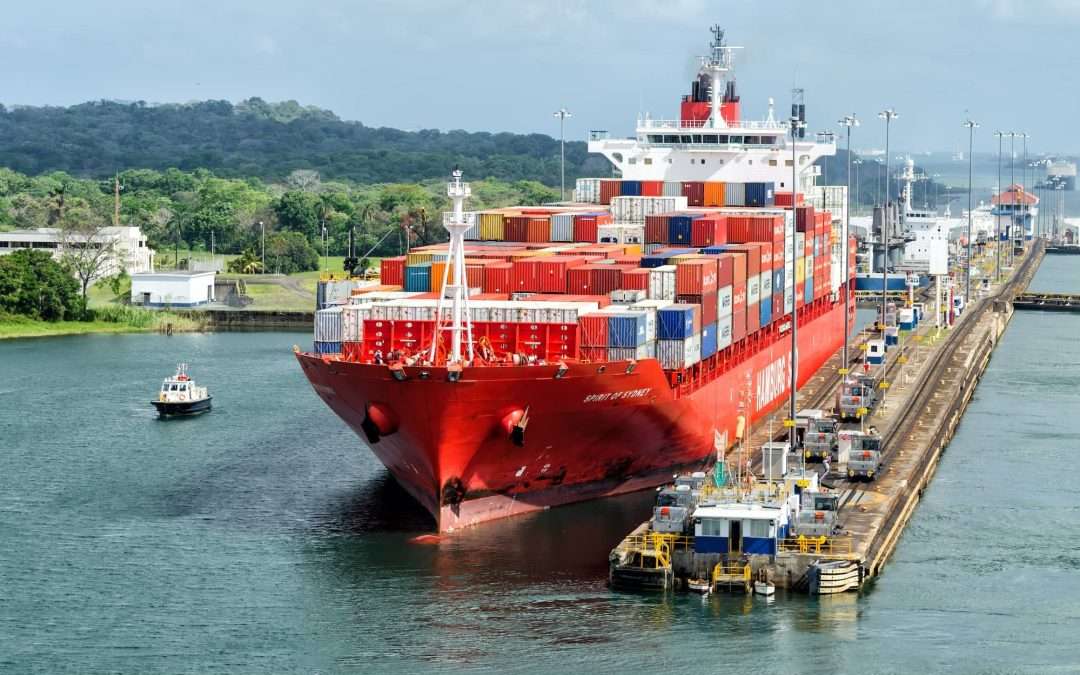
Shippers may soon face higher costs as the Panama Canal fees continue to rise. Over the last few months, various scenarios have driven transit fees higher. Major carrier companies have begun raising their Panama Canal Surcharge from $100 per TEU to $130 and nearly...

CBP Finalizes Duty Refund Program

Share This Article

Importers could soon be reimbursed for US imports as the CBP finalizes duty refund program for IEEPA tariffs. On February 20, the Supreme Court deemed President Trump’s International Emergency Powers Act (IEEPA) levies illegal in a 6-3 ruling. Following the ruling, the Court of International Trade (CIT) ordered the US Customs and Border Protection (CBP) to issue refunds to importers that paid IEEPA tariffs that the CBP did not finalize by liquidation. Due to the high refund request volume, the CBP responded that it would need 45 days to finalize the system. On March 12, the CBP provided a new outline to a CIT judge of a refund process called CAPE.

How Will The CAPE Claim Port Assist With Refunds?

CAPE, or Consolidated Administration and Processing of Entries, is a system where importers can submit IEEPA duty refund requests. Despite still being in development, the system will be an online portal with ACE functionality and have four components, including:

  • Claim Portal – Over 70% done.
  • Mass Processing: – Over 40% done.
  • Review and Liquidation/Reliquidation: Over 80% done.
  • Refund: Over 60% done.

In the Claim Portal, importers will submit duty refund requests, and once validated, the system will remove all IEEPA levies from the entries. After removal, a standard validation procedure will calculate the total duties owed without the tariffs. Following the mass processing, the system will schedule liquidation for a certain number of days following the acceptance date. After liquidation, the refund process will transfer the refund amounts back to the importers.

What Can Shippers Expect As CBP Finalizes Duty Refund Program?

Although the CAPE system has not been finalized, it could result in over $100 billion in refunds. The CBP noted that since Trump imposed IEEPA levies, over 300,000 importers made approximately 53 million entries. Despite the opportunity, importers must act quickly to gather any entry summaries and submit duty refund requests. They should also file properly, which can be done by coordinating with a customs broker. Despite the refunds, President Trump has found other ways of issuing tariffs, such as Section 122. Trump has also initiated Section 301 investigations into key US trading partners, which could result in additional future tariffs.

With the IEEEA tariffs revoked, it is an ideal time to import into the US. However, shippers should still take precautions when importing during this time. Failure to import correctly can lead to delays and monetary loss. In addition to staying current with regulations, this can be done by speaking with a customs broker. Customs Brokers are licensed individuals or corporations that arrange customs clearance on behalf of the shipper. They do this by offering a range of solutions, including ensuring regulatory compliance, preparing paperwork, calculating duties, and more. Speak to our brokers at info@a1wwl.com or 305-423-9456 about successfully importing into the US from anywhere in the world.



A1 Worldwide Logistics, Inc.

📍1035 NE 125th St #320, North Miami, FL 33161, USA

🌍 a1worldwidelogistics.com

📞 305-821-8995

🕒 Hours: 8AM – 5PM

Submit your request

Transporte internacional maritimo y aereo

Empresa de transporte internacional de mercancías: cómo funciona la logística internacional

Descubra cómo elegir una empresa de transporte internacional de mercancías, comparar opciones aéreas y marítimas, preparar documentos y calcular costos logísticos.

container ship

DDP Shipping to the USA: What Is Included, and Who Handles Customs?

DDP stands for Delivered Duty Paid. Under this shipping term, the seller arranges transportation to the agreed destination and handles export and import clearance, including the applicable import duties and taxes. The goods are delivered to the buyer ready for...
shipping

CIF vs FOB: Costs, Responsibilities, and Customs Clearance for US Importers

CIF and FOB are shipping terms that define the buyer’s and seller’s responsibilities. Under CIF, the seller arranges and pays for ocean freight and cargo insurance to the named destination port. Under FOB, the buyer arranges and pays for the main ocean journey, and...
ocean freight shipping

Ocean Freight Shipping: Costs, Process, and U.S. Customs

Ocean freight, also called sea freight, is the transportation of goods by ship. Businesses use it to move commercial cargo between countries, from a few pallets in a shared container to full-container orders and oversized equipment. For a U.S. import, the shipment...
lcl shipping

LCL Shipping to the USA: Costs, Customs, and Delivery

LCL shipping, short for less than container load, lets your business move ocean freight in a container shared with other shippers. You book space for your cargo instead of reserving a whole container. For a business importing a few pallets at a time, that can make...