25 States Suing Trump’s Tariffs
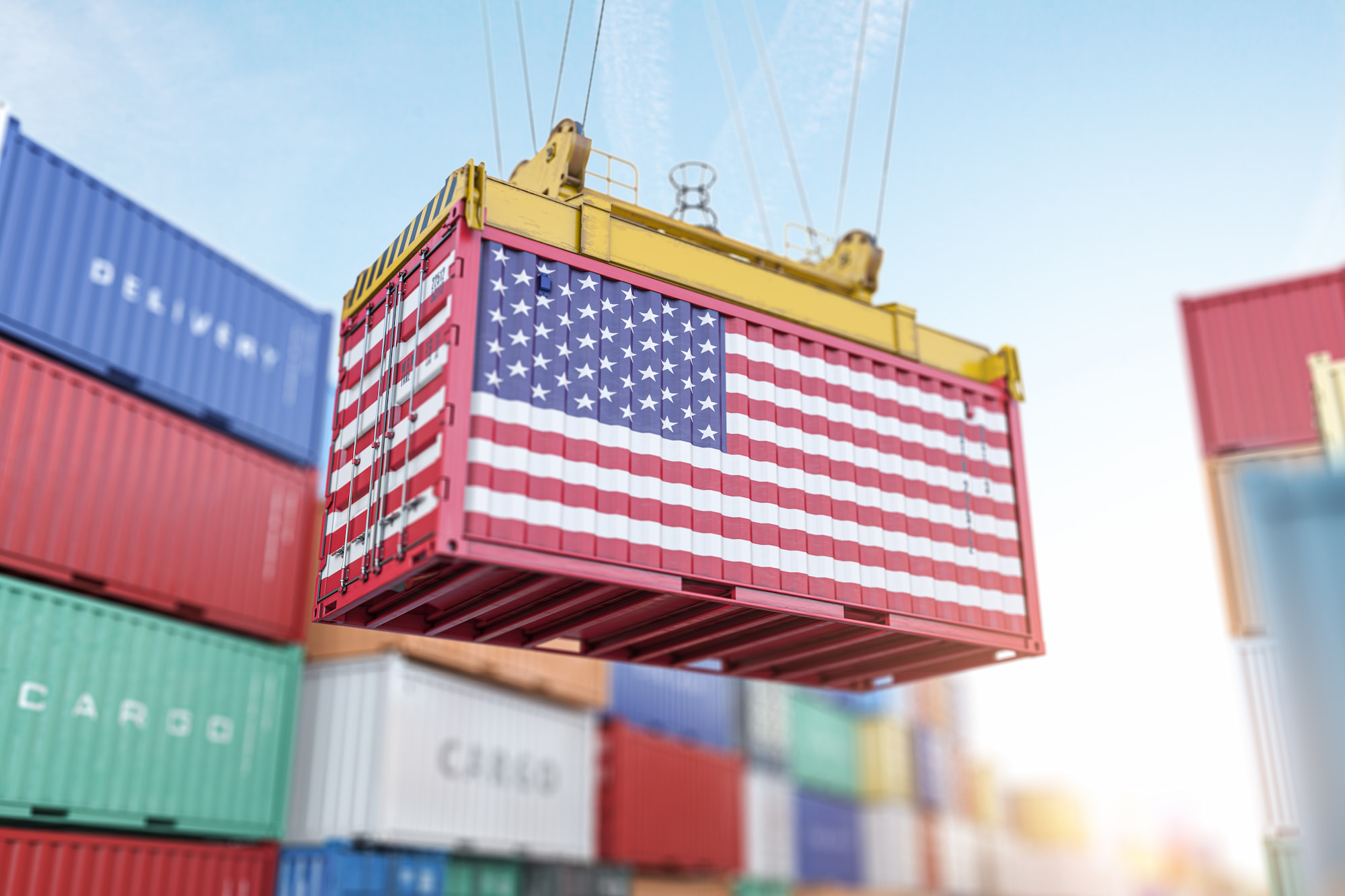
Lawsuits against the Trump administration’s new levies are continuing, with 25 states suing Trump’s tariffs. On August 3, a 25-state coalition sued President Trump over recent tariffs imposed on over 60 countries. Similarly, two businesses also filed a lawsuit against Trump with the US Court of International Trade (CIT) over the same tariffs. On July 24, Trump’s levies under Section 301 of the Trade Act of 1974 began, ranging from 10% to 12.5%. Trump’s goal was to address the country’s failure to block goods made with forced labor. These levies were also imposed after the Section 122 levies expired, which Trump imposed last year.
Why Are the 25 States Suing Trump’s Tariffs?
The 25-state coalition filed a lawsuit in the CIT to challenge the legality of Trump’s Section 301 tariffs. In particular, the states are arguing that Trump is using Section 301 to reestablish broad levies following the Supreme Court’s rejection of the International Emergency Economic Powers Act (IEEPA). After the ruling that the IEEPA was illegal, Trump imposed temporary Section 122 levies before the recent Section 301 duties. Another argument was that the Section 301 investigation did not sufficiently justify tariffs on a broad range of countries. The coalition noted that, “The Tariff Action is arbitrary, capricious, and contrary to law”
What Could This Mean For International Shipping?
The impact that the lawsuits will have on shipping depends on the final ruling if the case goes to court. If the tariffs remain, the overall cost of importing to the US could increase significantly. This would be felt across various parts of the supply chain, including higher costs for the end receiver. Another result of tariffs remaining is that it could strain relationships with other trading partners, leading to retaliatory levies. If a ruling is made against the tariffs, the US government could be required to refund importers billions of dollars, similar to Trump’s IEEPA tariffs. Trump may continue to impose levies under different laws and sanctions.
As news regarding President Trump’s tariffs continues to develop, it is essential to stay current with any developments. Failure to do so can lead to supply chain delays that can lead to monetary loss. Along with reading news articles, this can be done by working with a freight forwarder like A1 Worldwide Logistics. Freight forwarders are third-party companies that act as the middlemen between the shipper and the carrier transporting the goods. Forwarders also inform the shipper of what to expect when starting. They do this by offering solutions like providing documentation, negotiating rates for cargo transport, and more. Speak to our forwarders at info@a1wwl.com or 305-425-9752 to begin transporting your goods anywhere internationally.