Shipping During The Hurricane Season
Shippers should always take precautions when moving goods internationally, which can mainly be true when shipping during the Hurricane season. The Atlantic hurricane season is a time from June to November when more hurricanes appear in the Atlantic Ocean. This period coincides with the peak shipping season when exporters move the most cargo domestically and internationally. The need for supply chains to run smoothly increases with the amount of freight that is moving. The hurricane season may affect the supply chain process and disrupt freight movement. This article will explain what could happen when shipping internationally during a hurricane and how a shipper can prepare.
What Can Happen When Shipping During The Hurricane Season
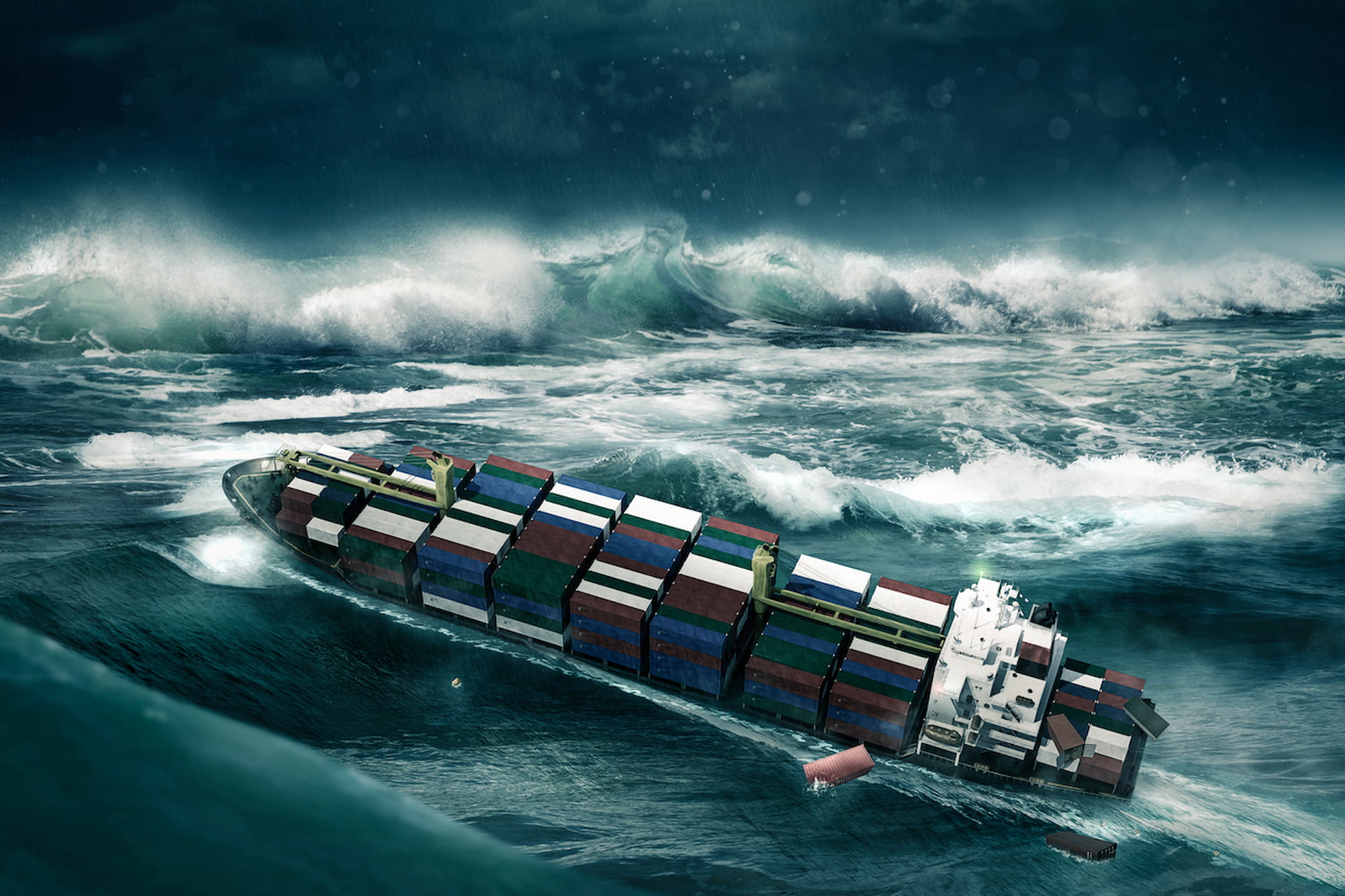
The most significant impact a hurricane can have, directly and indirectly, is freight movement. For example, shipping by sea during a storm can result in the disappearance of cargo. In 2012, Hurricane Sandy reportedly caused a loss of over 15,000 containers at sea. While containers can withstand severe weather conditions, strong winds can still damage them. For a supply chain, this can mean significant monetary loss. Containership companies use a standard method to protect cargo by making ships heavier. Carriers do this by adding more containers to the vessel to protect against storm waves.
Indirectly, carriers reroute to prevent being in a storm’s path. Rerouting may cause delays in the shipping process, resulting in a loss of money from extra charges. An example is an increase in fuel costs. Along with loss and physical damage to cargo, power outages can also disrupt a supply chain during a hurricane. Power outages in ports may halt operations and slow down the shipping process. Specific ports may even close for a few days, impacting transportation routes globally. Another impact is that the demand for various items increases during hurricane season. The shipping of commodities like groceries and home repair items increased during this period.
How To Prepare
While uncontrollable situations can happen when shipping during the hurricane season, there are ways a shipper can prepare. One of the ways to protect yourself from freight loss is by getting cargo insurance. This insurance protects the value of a shipment stolen, damaged, or lost in transit. The shipper pays a small premium covering the amount specified in the carrier’s insurance policy. Another way to prepare is to plan ahead before moving goods internationally. An example is using the weather forecast to determine the transportation route to avoid weather disturbances. Planning also includes looking for alternative ports when a hurricane causes a port closure or delay.
While shipping during a time with many hurricanes may be daunting, It should not stop you from moving your freight. Companies still require the success of their supply chains when moving goods to their final destinations. However, a shipper must make all of the necessary preparations before starting. Another way to prepare is by finding a freight forwarder to coordinate the movement of your shipment for you. Forwarders ensure the delivery of your cargo while guiding you through the process. They also explain the best steps to take when shipping during events like a hurricane. To speak to a freight forwarder, contact A1 Worldwide Logistics at 305-821-8995.