Panama Canal Transits Lowering
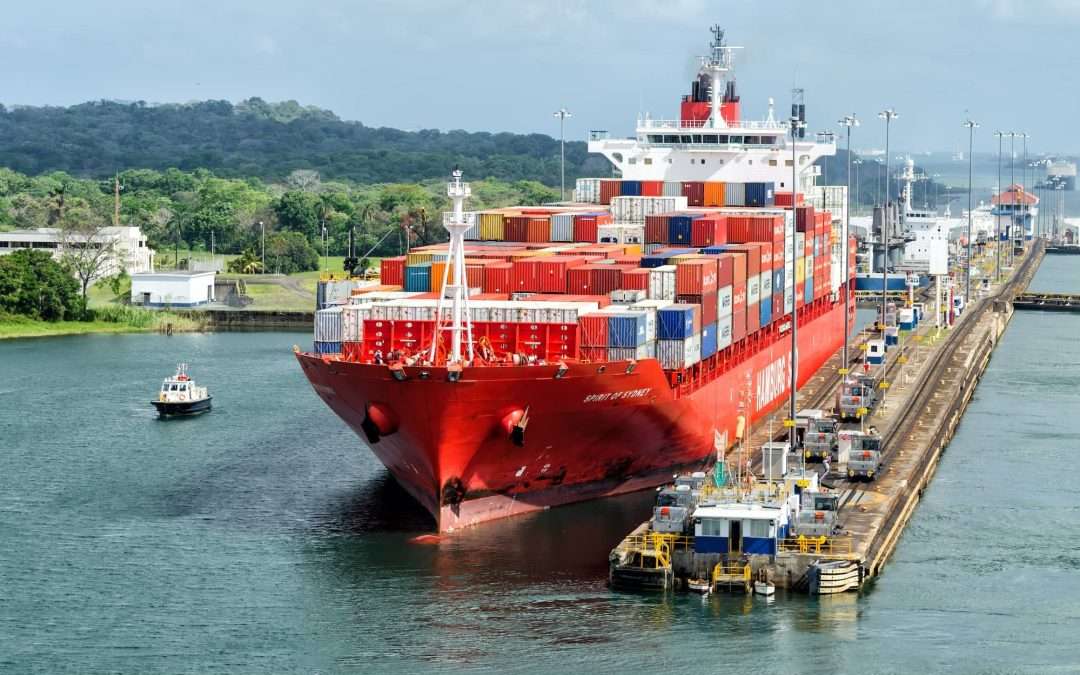
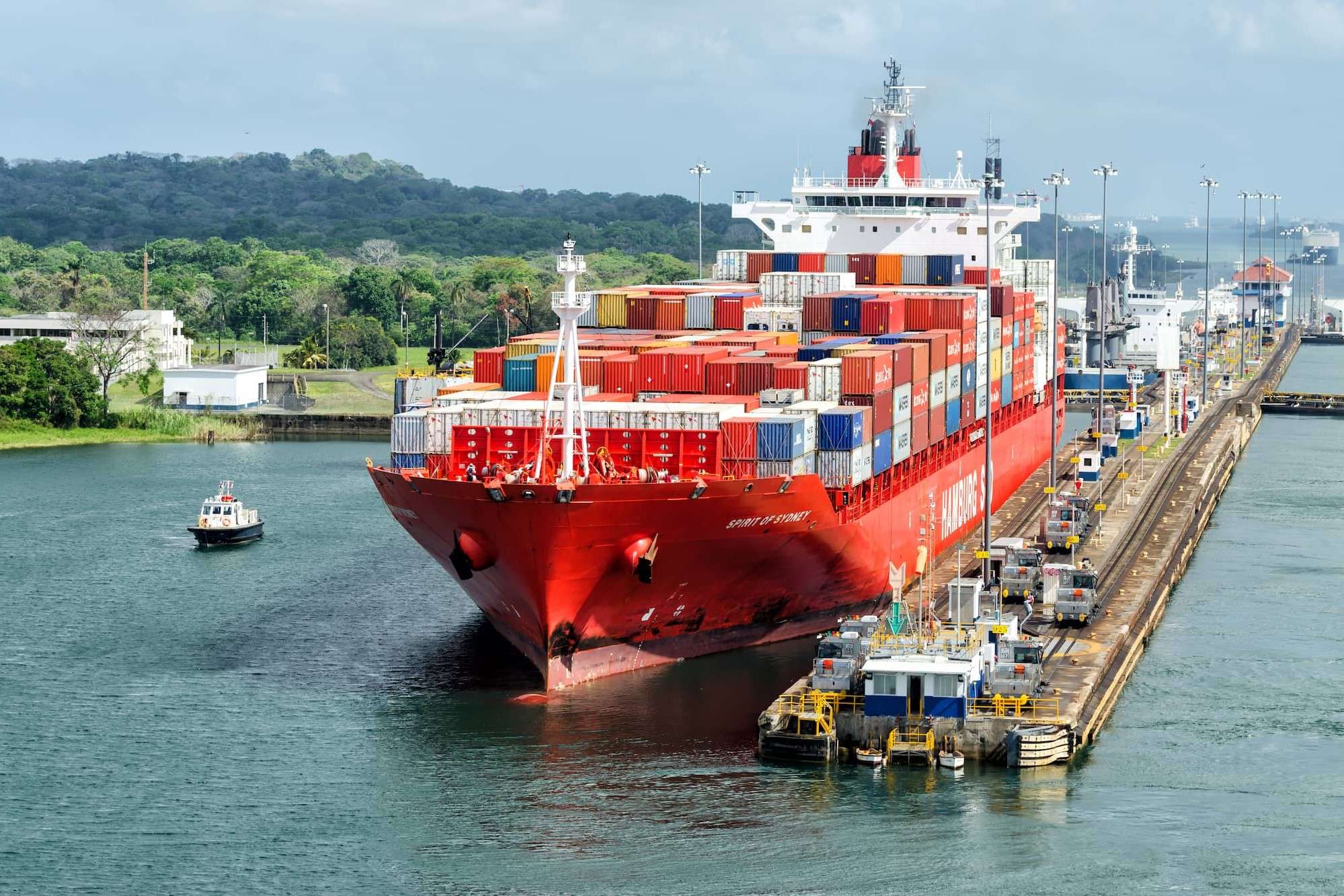
A persistent drought is leading to the Panama Canal transits lowering even further. In June of this year, the Panama Canal Authority (ACP) set various restrictions on carriers passing through the canal. The limitations are due to a drought that the waterway is currently facing. The Panama Canal relies on rainwater to move vessels across; however, the region has been experiencing a lack of rainfall. An ocean warming event known as El Nino further causes water scarcity, leading to an emergency. With the Panama Canal being one of the most important trade routes in international shipping, limitations have a considerable impact.
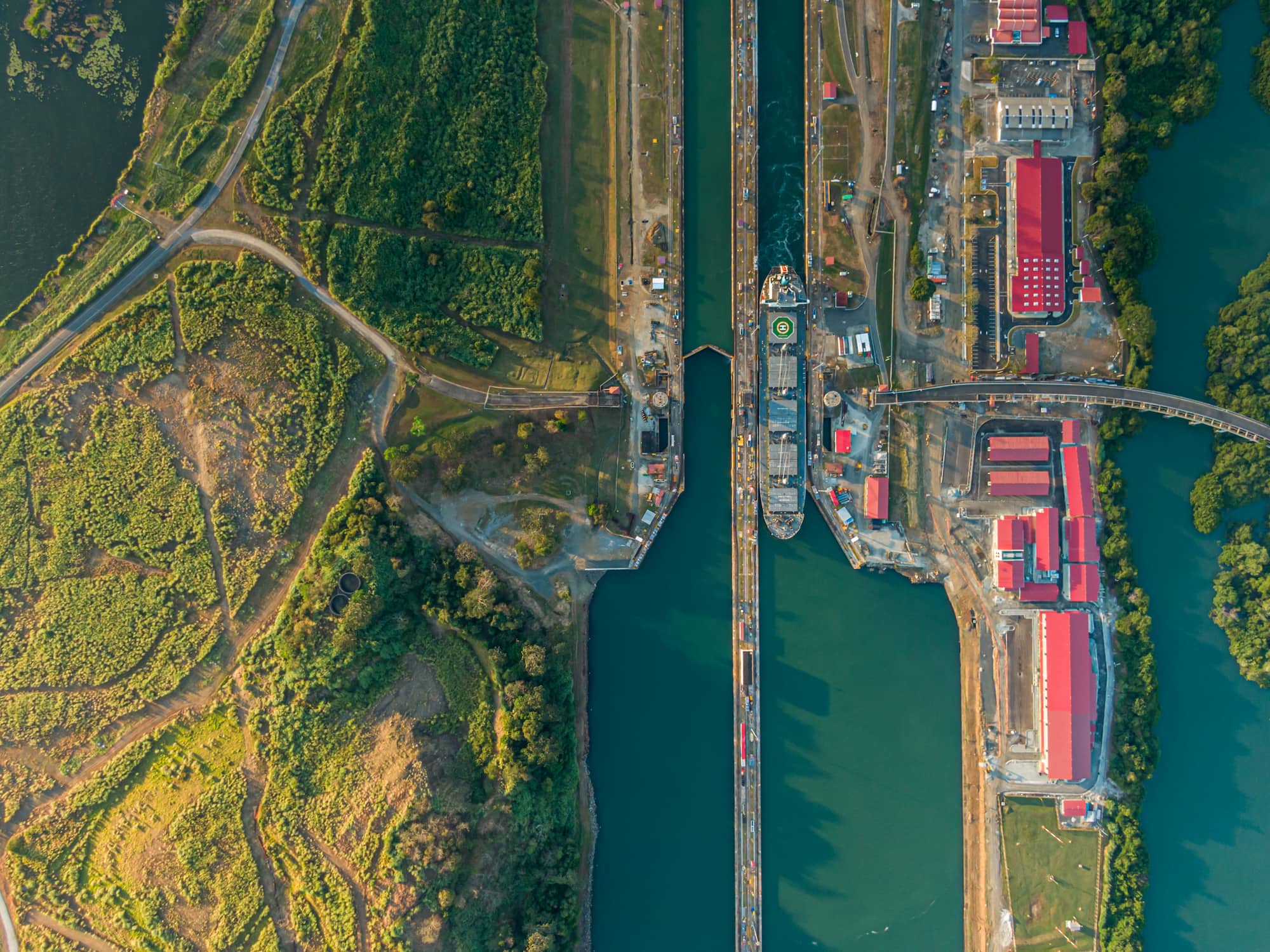
A few months ago, the ACP put limits on the drafts and the daily transits of vessels passing through. A draft limit is the distance from the lowest point of the boat and the waterline. On June 5th, the ACP cut the limit to 44.5ft (13.65m) from 50ft (15.24). It then went down to 43.5ft (13.26) on June 25th. The ACP also reduced the daily transits or the number of boats that pass through the canal. Usually, that number averages from 36 to 38, but it went to 31 from 32 in August. The newer Neopanamax locks will handle nine ships daily, while the older locks will have 22 pass through.
What Can This Mean For Shipping?
The decrease in the daily transits and the other limitations can negatively impact international shipping. With the Panama Canal being able to cut trade routes by miles, the most significant shippers rely on it. Around 13,000 to 15,000 vessels pass through the passageway yearly, meaning restrictions affect many supply chains. For example, loaders will put fewer containers on a ship to drop the weight when a draft limit lowers. An effect is that a shipper may move fewer containers internationally, which is unfavorable for business shipping to customers. Reducing the number of ships allowed to pass through daily can result in delays.
Will The Panama Canal Transits Lowering Delay My Shipment?
As previously mentioned, the number of vessels passing through the Panama Canal a day is 31. A decrease in daily transits causes a bottleneck where ships must wait outside longer than usual before entering. In August, the backlog peaked at over 160 boats waiting for entry. While that number is lower, it is still over 100 and may rise in the coming months. The main concern for many shippers is that their shipments will experience delays. The ACP notes that wait times for southbound transit rose from 5.56 to 8.85 days in August. Northbound transits went from 6.55 to 9.44 days.
While the restrictions may lead to delays in shipping, this should not stop you from exporting internationally. However, shippers must take steps beforehand to protect their supply chains. An example can be finding alternative routes to transport your cargo. The best way to prevent delays is to talk to a freight forwarder regarding your shipment. A freight forwarder is in charge of arranging the transportation of goods on behalf of the importer and exporter. Contact A1 Worldwide Logistics at 305-821-8995 to speak to our forwarder and ensure the safe movement of your cargo.