Suez Canal Gaining U.S. Exports
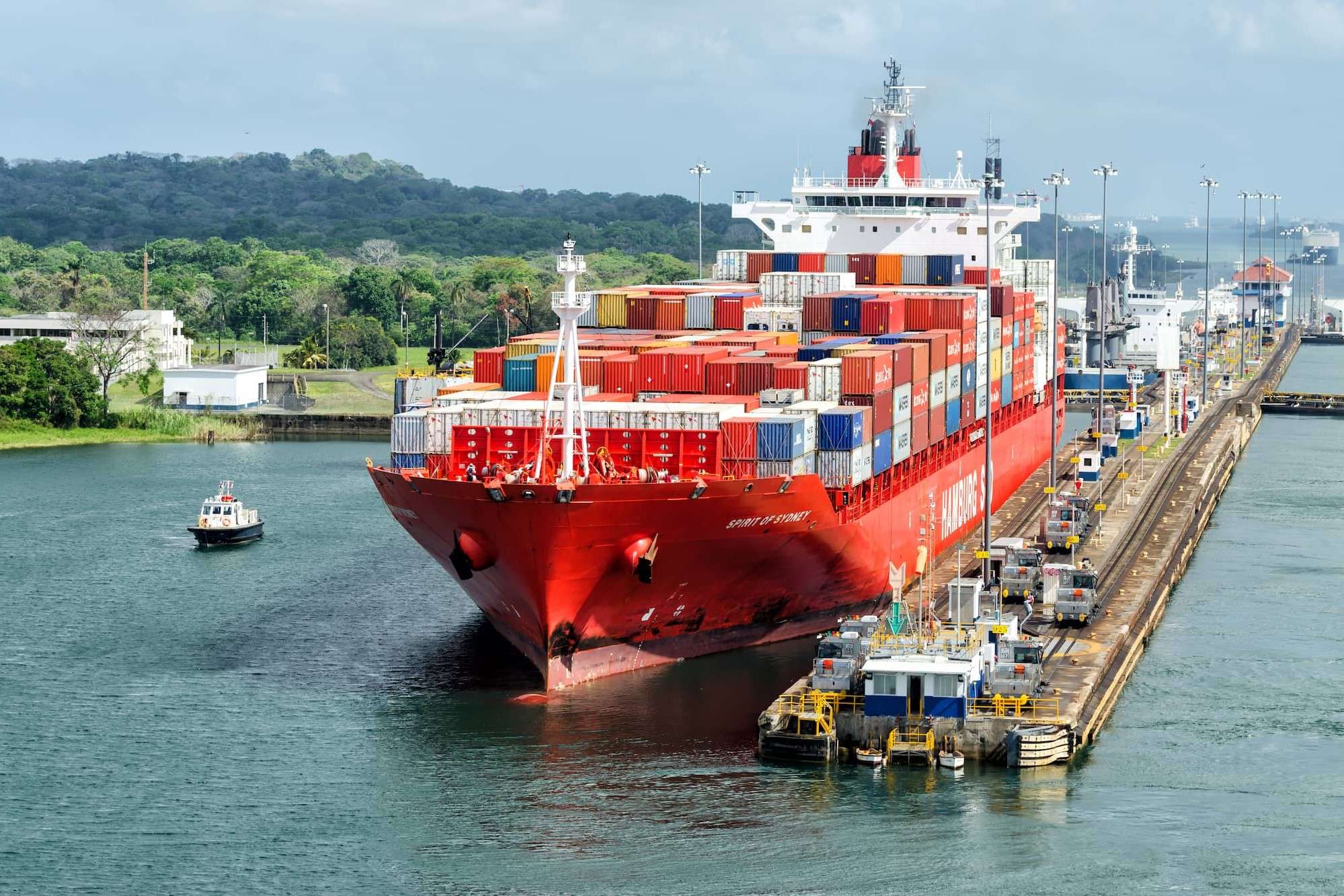
A current drought in the Panama Canal is leading to the Suez Canal gaining U.S. exports of farm products. Bulkers carrying agricultural goods like grains are rerouting their journey to Asian countries due to the crisis. At first, larger container vessels felt the effect of lowering water levels, which dry bulk carriers now feel. USDA data shows approximately 67% of year-to-date soybean, corn, and wheat exports are moving through the Atlantic Ocean. It is essential to note that the Suez Canal is a longer route and can be more expensive. The freight takes nearly ten extra days to reach China compared to using the Panama Canal.
What Is Happening In the Panama Canal
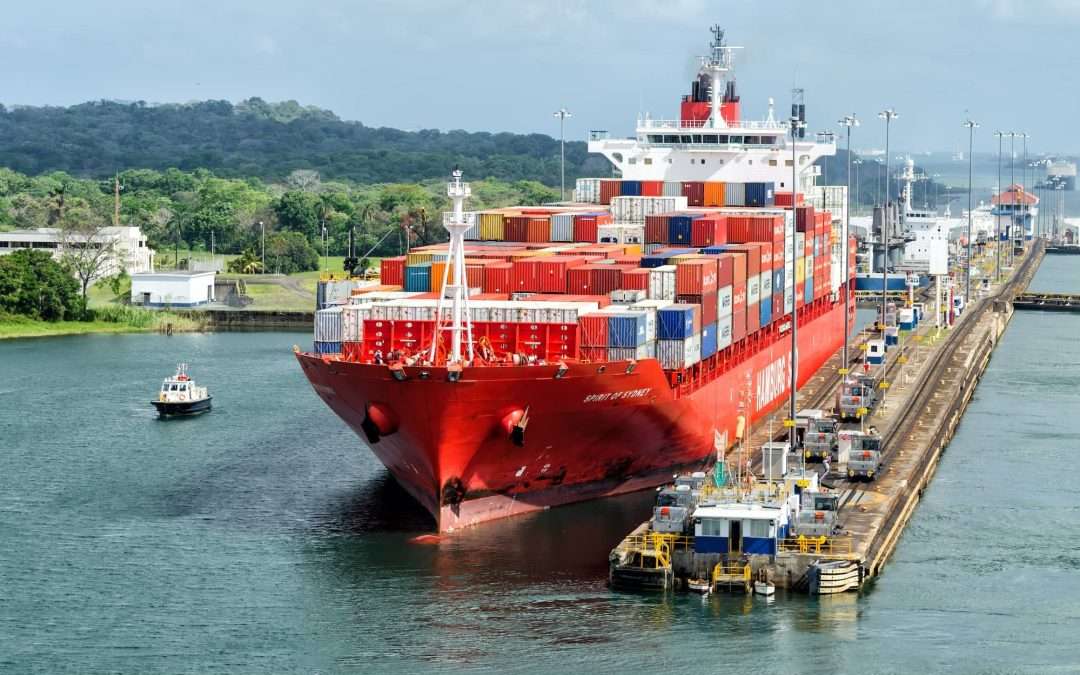
In the summer of this year, the Panama Canal Authority (ACP) set restrictions on ships entering the canal. The draft limit went to 44.5ft (13.65m) from the standard of 50ft (15.24m). A draft limit is the distance between the waterline and the lowest boat point. A lower limit means that carriers have to carry less cargo to be able to enter the Panama Canal. ACP cut the draft further to 43.5ft (13.26m) in the same month. The average number of daily transits through the canal also went down to 32 in August. The usual number of vessels passing through the canal is 36 to 38 ships.
The restrictions are due to the current drought the Panama Canal faces. Rainfall levels have been reaching record-low levels in the region, and the canal uses rainwater to move ships through. Water scarcity further rose due to the El Nino weather phenomenon. Along with having to decrease the amount of cargo that they ship, limits are extending carrier shipping times, causing delays. This is due to the backlog of ships waiting to enter the canal from lowering daily transits. Restrictions are pushing carriers to look for alternative routes to move their freight, such as the Suez Canal.
How Can The Suez Canal Gaining U.S. Exports Impact Shipping?
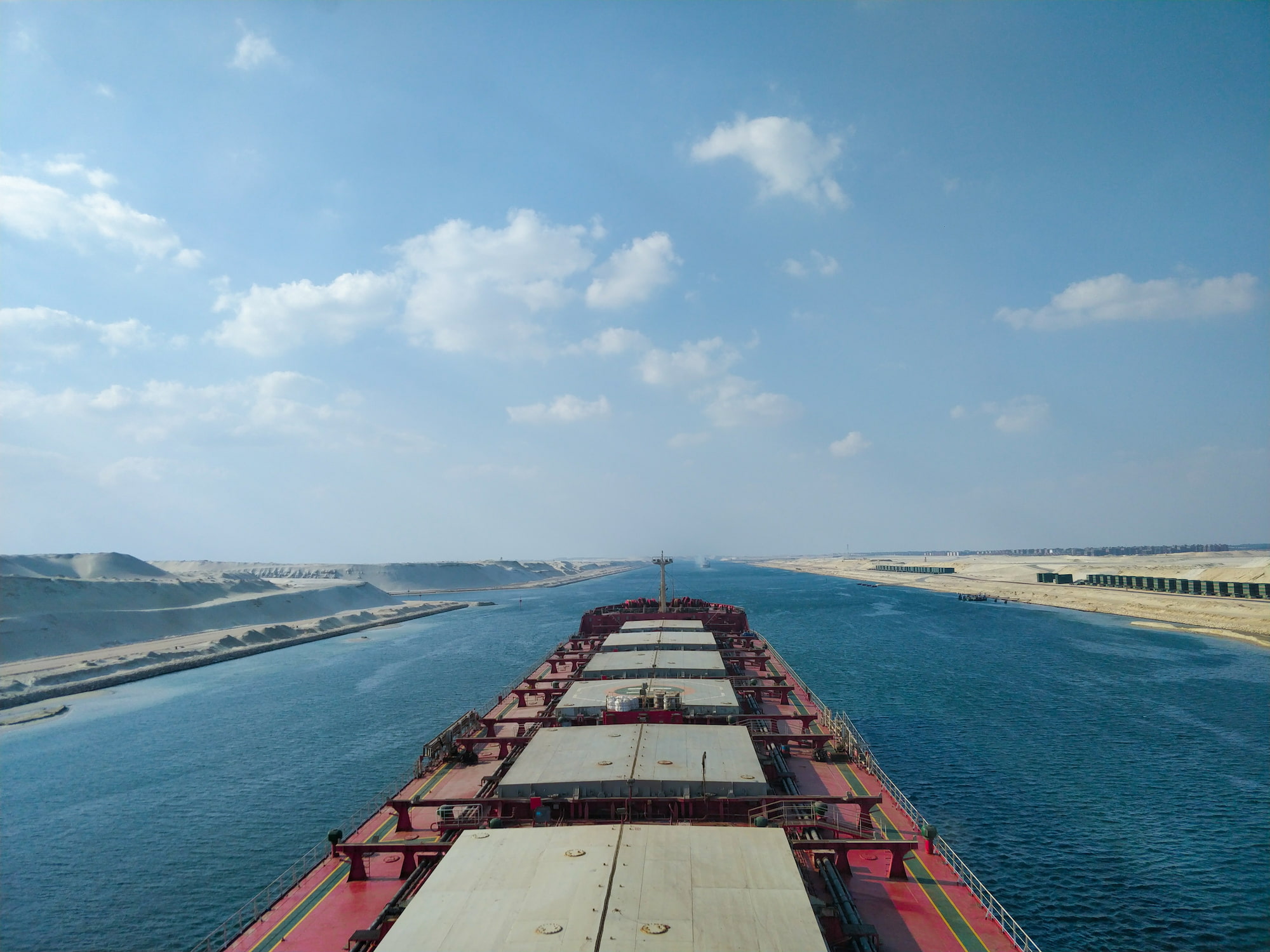
The Panama Canal and Suez Canal are the two most critical artificial passageways for international shipping. These waterways are shortcuts for shippers moving freight. While agricultural exporters tend to use the Panama Canal to reach Asia, delays force many to switch to the Suez Canal. Since the Suez Canal is the longer route, the increase in traffic is causing freight rates to rise. This is because farmers have fewer dry bulk vessels to load their exports into. As the Suez Canal gains importance for agricultural shipments, a concern remains nearby: the conflict in Gaza. One of the fears is that the war will close the canal during high traffic.
Shutting down the Suez Canal can result in agricultural exporters taking an even longer route to Asia. Rerouting to the Cape of Good Hope may create longer shipping times and further increase rates. While certain situations may be impossible to avoid, they should not stop shippers from transporting their goods. Exporters and importers must, however, take greater precautions to prevent misfortune. Contact A1 Worldwide Logistics at 305-821-8995 to speak to a freight forwarder regarding shipping internationally. Along with importing and importing to and from the U.S., we offer numerous other solutions for your transporting needs.