Importing During Chinese New Year
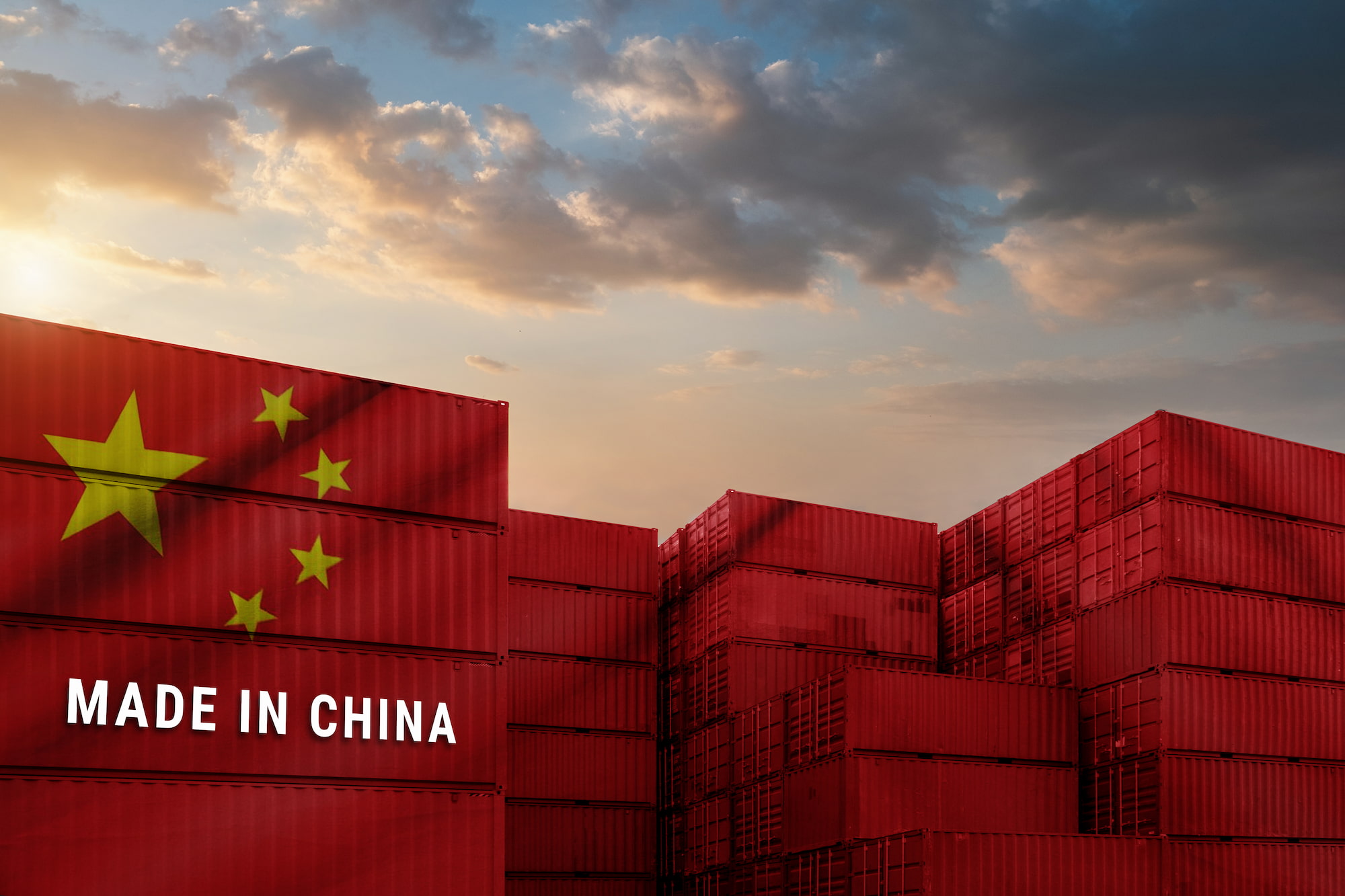
Due to China’s significance for international trade, shippers may face challenges when importing during Chinese New Year. Making up roughly 14% of the world’s total exports, China is the largest exporter of goods globally. The Chinese New Year is a festival that celebrates the start of a new year in a lunisolar Chinese calendar. This year, the Chinese New Year will start on February 10th, 2024, and finish on February 24th, 2024. During the holiday, ports, shipping companies, and factories limit operations or shut down, which can cause supply chain disruptions. This article will explain how the Chinese New Year affects shipping and how to prevent delays when moving cargo.
What Should You Know When Importing During Chinese New Year?
Chinese New Year is a 15-day period where business and production in the country decrease. With China being a powerhouse in world trade, a slowdown has a significant impact internationally. A major impact is that supply chain disruptions can grow during this period. Along with factories closing for more than weeks, a considerable part of China’s population is on vacation. Companies that import goods from China may experience delays and unavailability. Meanwhile, there is an increase in demand in the weeks leading up to the holiday, which can mean port congestion. This is at a time when the ports are already operating at limited capacity.
Congestion is not only felt at the ports; trucking services for moving the cargo to its final location also feel the bottleneck. The increase in demand can mean higher shipping costs since there is limited capacity to match it. Along with increased freight rates, carriers may add charges like peak season surcharge. There is also a shortage of containers due to the demand during the holiday. Even after Chinese New Year finishes, businesses and manufacturers do not return to normal immediately. It can take over four weeks for companies to return to normal production levels. Shippers can feel the majority of the impact between mid to late February.
How Can You Protect Your Supply Chain
Because of the impact of the holiday, shippers that have to move their cargo internationally must be ready to prepare. Preparing for the Chinese New Year should be done weeks in advance. Planning ahead can mean booking container space beforehand or communicating your needs with your logistics provider. Using more than one supplier or supplier in different countries can also help. In a scenario where prices increase, using LCL (less than Container Load) is beneficial for your shipment. LCLs keep prices down and can help prevent delays since full container loads are necessary before the cargo can move. Using different methods of conveyance, like air or land, can also assist in avoiding delays.
As the Chinese New Year quickly approaches, it is essential that international shipping is not disrupted by delays or other issues. Another way to protect your supply chain is by talking to a logistics company. Using the help of a dedicated and experienced logistics provider can help you navigate the Chinese New Year. Reach A1 Worldwide Logistics at 305-440-5156 for a quote to move your cargo Internationally. We also provide customs brokerage services to clear your cargo when it reaches the U.S.