What Is a Continuous Customs Bond?

What Is a Continuous Customs Bond?

What Is a Continuous Customs Bond? A continuous customs bond is a bond used by importers to cover multiple U.S. Customs transactions rather than arranging a separate bond for each applicable shipment. If you regularly import commercial goods into the United States, a...

How to Import Goods Into the United States

How to Import Goods Into the United States

Buying goods from an overseas supplier is only one part of importing them into the United States. Before the shipment leaves, you need to know whether the product can enter the country, who will act as the importer, what duties or additional tariffs may apply, what...

Why Use Warehousing Services?

Why Use Warehousing Services?

When deciding whether to ship internationally or domestically, consider why you should use warehousing services. Warehousing is a logistics solution that involves storing goods in a specialized facility. From there, the warehouse can provide many value-added services...

How to Choose the Right Customs Broker

How to Choose the Right Customs Broker

Choosing a customs broker is an important decision for any business or individual importing goods into the United States. Your broker can help prepare your customs entry, classify your goods, calculate duties, manage documentation, and communicate with U.S. Customs...

Harsh Shipping Around Africa

Share This Article


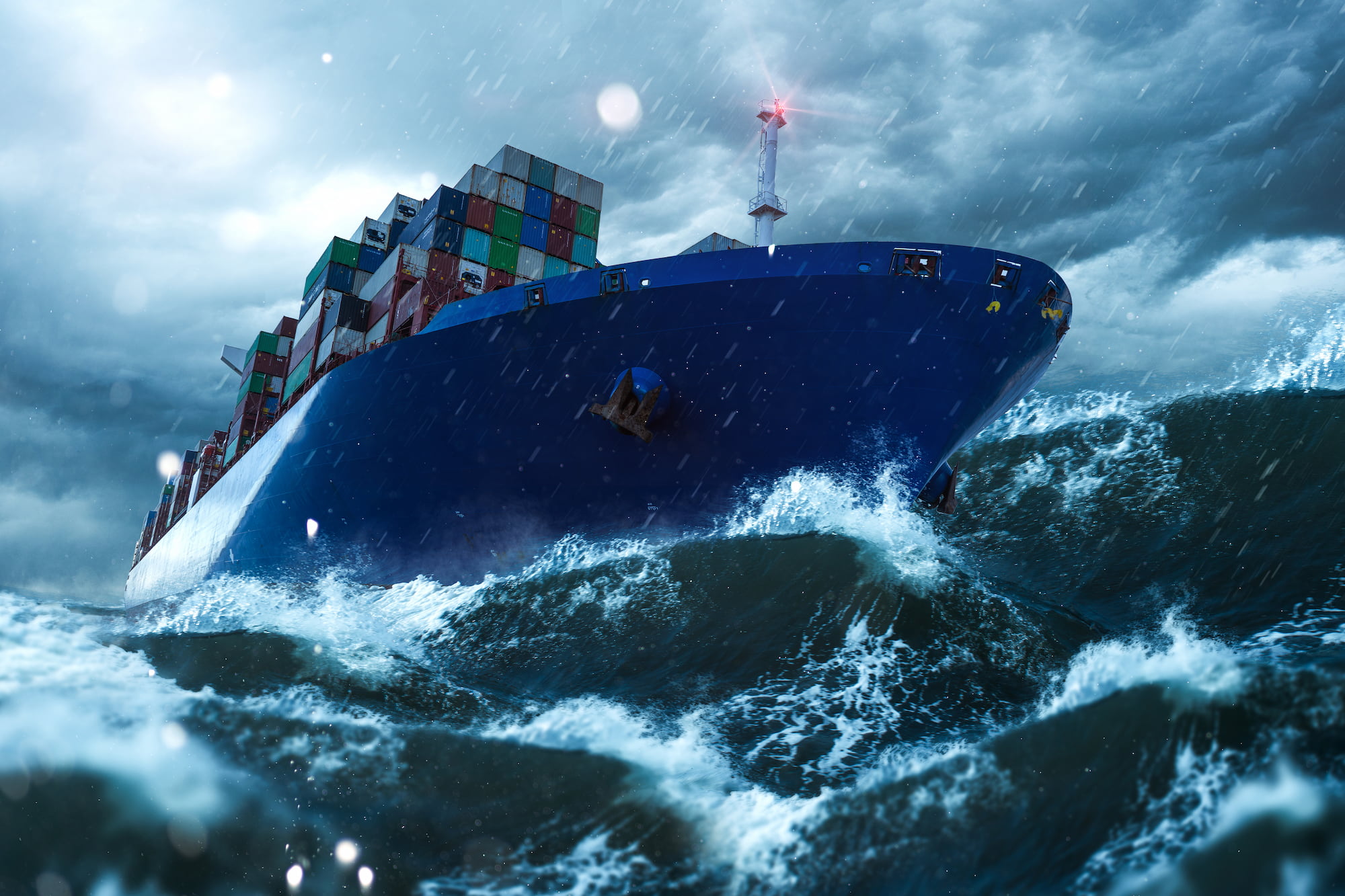
Severe weather over the last week has resulted in harsh shipping around Africa. Containerships are halting their journeys around the Cape of Good Hope due to the current conditions. Vessels are currently seeking shelter from more than 30-foot-high waves and high-speed winds. The storms are due to a cyclone that passed through the region over the last few days. Weather reports indicate another hurricane will pass through South Africa later this week. There are reportedly over 600 containerships currently routing around the location that may feel the impact. The amount of traffic, which is still growing, will directly impact international cargo movement.

Why Has The Cape Of Good Hope Increased Traffic?

Since the beginning of 2024, vessels that pass The Cape of Good Hope have been rising. Compared to the 1,800 ships that passed through the location in December of 2023, that number was 2,728 by February. By May 2024, maritime trade around the region increased by over 125%. The reason for the surge is due to the ongoing Israel-Hamas conflict that has been present over the last year. Nearby Houthi attacks around the Red Sea are causing ships to reroute their directions from the Suez Canal. Since approximately 30% of the world’s container volume passes through the Suez Canal, rerouting sends massive traffic to other locations.

One of the central locations that the ships rerouted to is the Cape of Good Hope. While longer and more costly, this route had more significant perceived safety advantages for shippers. Particularly for shipping between ports in Europe, Asia, and the U.S. East Coast. This was before the extreme weather, which had already taken its toll on vessels passing through. Along with ships having to halt, dozens of containers are falling overboard and damaged by the storms. Transits across the cape have returned on July 10th after a three-day pause from July 7th to July 9th.

What Can Harsh Shipping Around Africa Mean For Shippers?

The high volume of cargo vessels has switched to Africa, which can have significant implications for shippers. A primary concern is that shipping delays will persist. When carriers originating rerouted ships from the Suez Canal, they added an extra 14% days to the journey for some shipments. Having to halt due to a storm can add more delays to the cargo transport. Further congestion from vessel stoppage also adds to transportation time. Adding nearly 3,500 nautical miles on a trip also requires almost $1 million in extra fuel, which may lead to higher costs for the shipper. If the exporter is a business with customers, delays and price increases can look unfavorable to the company.

While the current conditions may seem daunting, they should not stop you from shipping your goods. A shipper should take the necessary steps, however, to prevent any issues like delays from arising. It is essential to be current with any situations that can affect your supply chain and act accordingly. An ideal way to ensure the success of your shipment is by using a freight forwarder. They coordinate the transportation process for the shipper while educating them on the best course of action to take. Reach A1 Worldwide Logistics at 305-440-5156 to speak with a freight forwarder and get assistance moving your cargo internationally.


A1 Worldwide Logistics, Inc.

📍1035 NE 125th St #320, North Miami, FL 33161, USA

🌍 a1worldwidelogistics.com

📞 305-821-8995

🕒 Hours: 8AM – 5PM

Submit your request

Using a customs brokerage is essential for ensuring a successful customs clearance.

What Is a Continuous Customs Bond?

What Is a Continuous Customs Bond? A continuous customs bond is a bond used by importers to cover multiple U.S. Customs transactions rather than arranging a separate bond for each applicable shipment. If you regularly import commercial goods into the United States, a...
Importing goods into the united states

How to Import Goods Into the United States

Buying goods from an overseas supplier is only one part of importing them into the United States. Before the shipment leaves, you need to know whether the product can enter the country, who will act as the importer, what duties or additional tariffs may apply, what...
Understanding what are warehousing services can significantly improve your supply chain.

Why Use Warehousing Services?

Looking for a smarter way to manage your cargo? Warehousing services can provide more than just a place to store your goods—they offer numerous value-added services before your cargo reaches its final destination.

This is a guide on how to ship goods internationally.

How to Ship Goods Internationally: A Guide for Businesses

Commercial international shipping can involve freight transportation, carrier bookings, complex documentation, customs requirements, and much more. 🚢✈️ Understanding these steps can help you avoid delays, unexpected costs, and compliance issues.

There are many qualities to look for when choosing a freight forwarder, this will be a guide for making a decision.

How to Choose a Freight Forwarder

Choosing a freight forwarder should involve more than simply comparing rates. The right company can help coordinate bookings, manage documents, arrange international transport, assist with clearance, and move your cargo toward its final destination.