Containers Are Lost At Sea
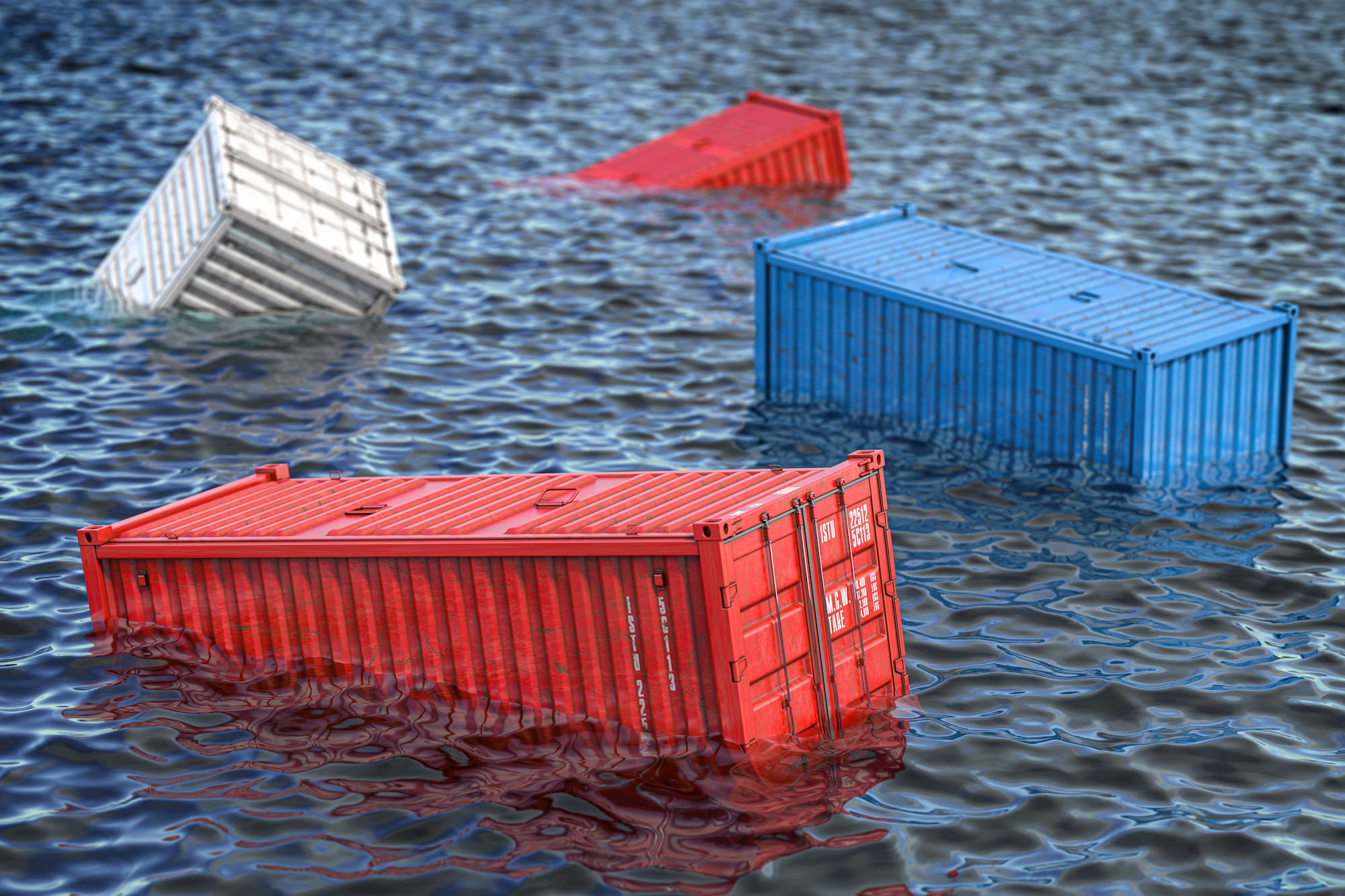
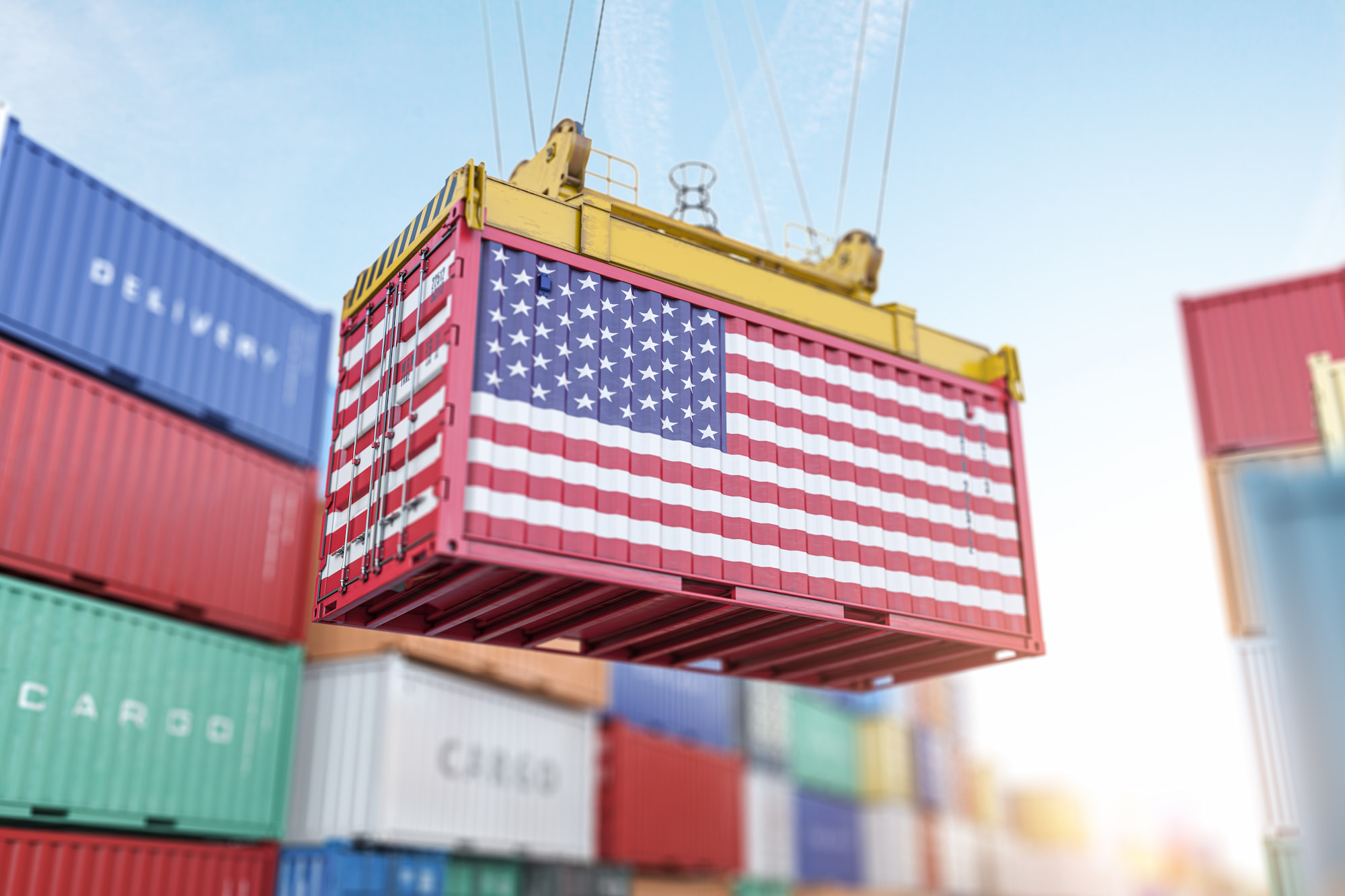
An alarming message for shippers shipping cargo is finding out that their containers are lost at sea. A 15-year survey from 2008-2022 notes that carriers loose approximately 1,566 containers at sea yearly due to numerous causes. That number can vary based on significant incidences and the ship’s cargo size. As the number of containerships in the ocean grows yearly, so does the potential for missing containers. While this can directly impact a supply chain, it indirectly affects external components, too. This article will explain how a container falls off, its effect, and what a shipper can do in this scenario.
How Do Shippers Loose Their Containers At Sea, And What Is The Impact?
Various factors can cause a container to go overboard. One of the most common reasons for this is severe weather conditions like rough storms. Along with the pressure from winds causing the containers to dislodge, large waves can also force them over. Another reason why this happens is due to improper securing of the containers. When loaders stack a container onto a vessel, they must secure it correctly to prevent looseness. Since loaders stack the containers several layers high, detachment can result in it falling into the ocean. Other situations like poor weight distribution, damaged or older containers, collisions, incorrect docking, and overloading can affect stability and cause falling into the sea.
When containers are lost at sea, it affects various parts of the supply chain, including the shipper and carrier. For the shipper, losing cargo can result in losing essential goods and money. This is especially true for businesses that have to ship many containers yearly. Customers who rely on shipment importation may be disappointed by the situation. The shipping company responsible for exportation usually has to repay the shipper an amount based on the container. An indirect effect of a container falling into the ocean is that it can pose a hazardous environmental risk. Some may also stay afloat and pose a risk for other carriers.
What Can Shippers Do When Their Containers Are Lost At Sea?
While a container getting lost at sea can happen randomly, there are steps a shipper can take to lessen disruptions. The most significant means of security is to have cargo insurance. Insurance allows the shipper to recover a percentage or the entire monetary loss from the incident. The carrier company may sometimes allow recovery options, which is usually for valuable or hazardous freight. The cost of recovering the container may also be high due to the ocean’s depth. Companies typically use container tracking technologies like GPS to identify and confirm the container’s location. When a company allows for a refund, the shipper must give the necessary details regarding the shipment.
Another step shippers can take to prevent container loss is finding reputable carriers. An easy way to do this is by speaking to a freight forwarder. Freight Forwarders go through a list of carriers to find the most qualified one to move your goods. Forwarders also help shippers navigate unexpected disruptions and are with them until the shipment reaches the final destination. Call A1 Worldwide Logistics at 305-440-5156 to speak to a freight forwarder regarding the transport of your cargo. We also provide domestic shipping services to move your shipment by land once it reaches the U.S.