What Is Multimodal Transport?
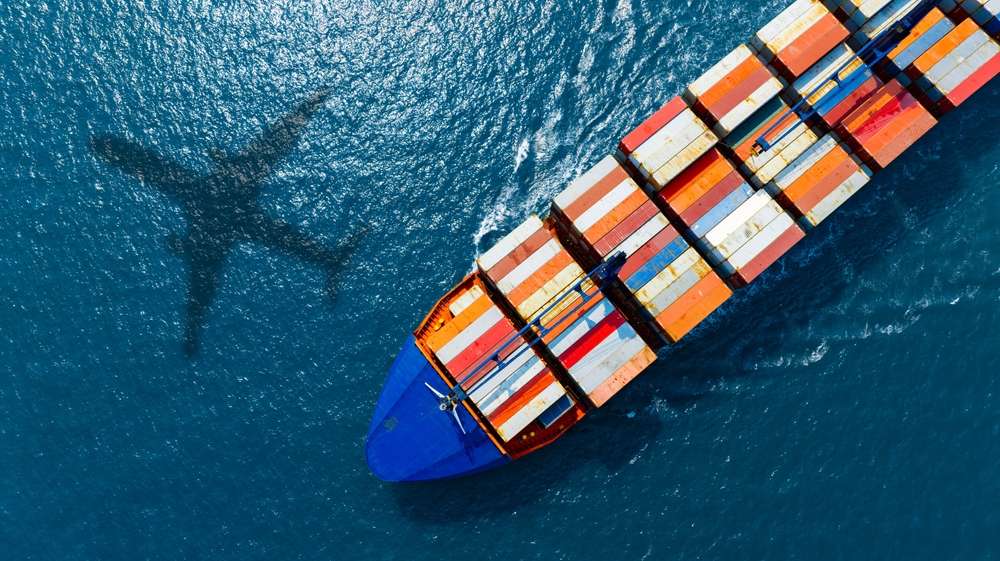
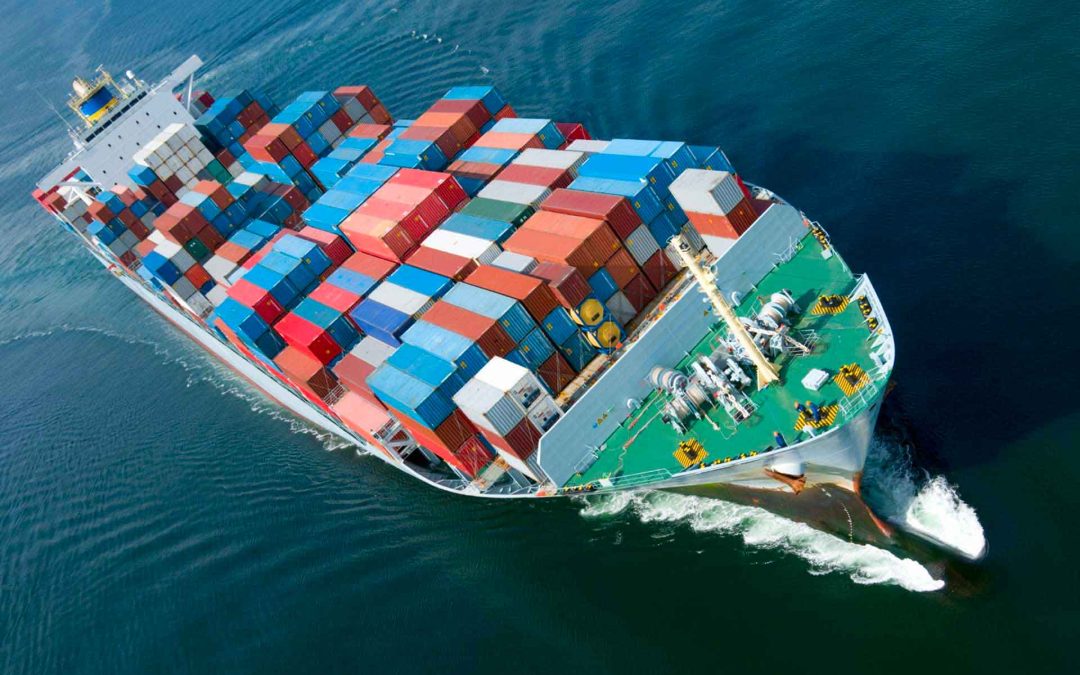
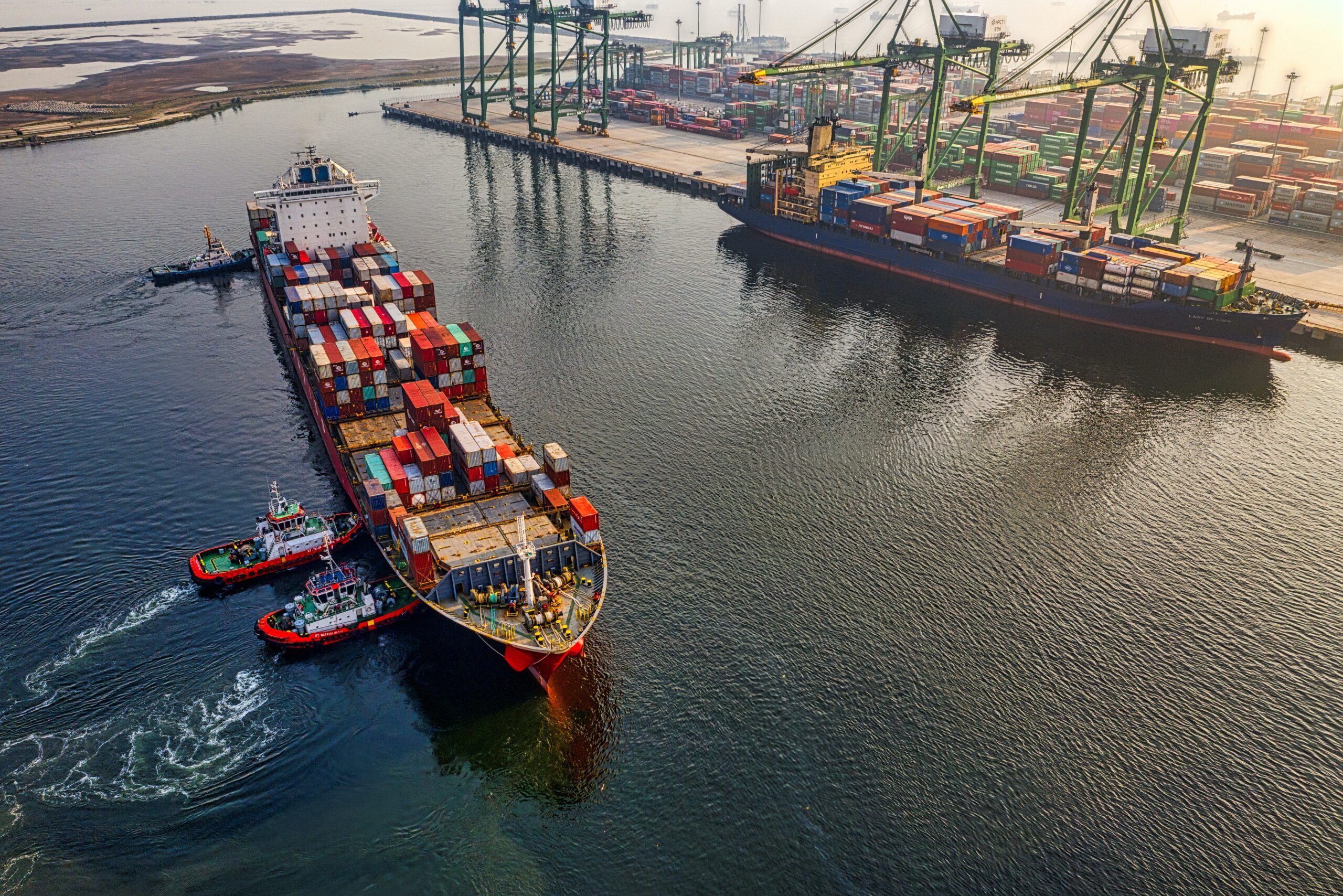
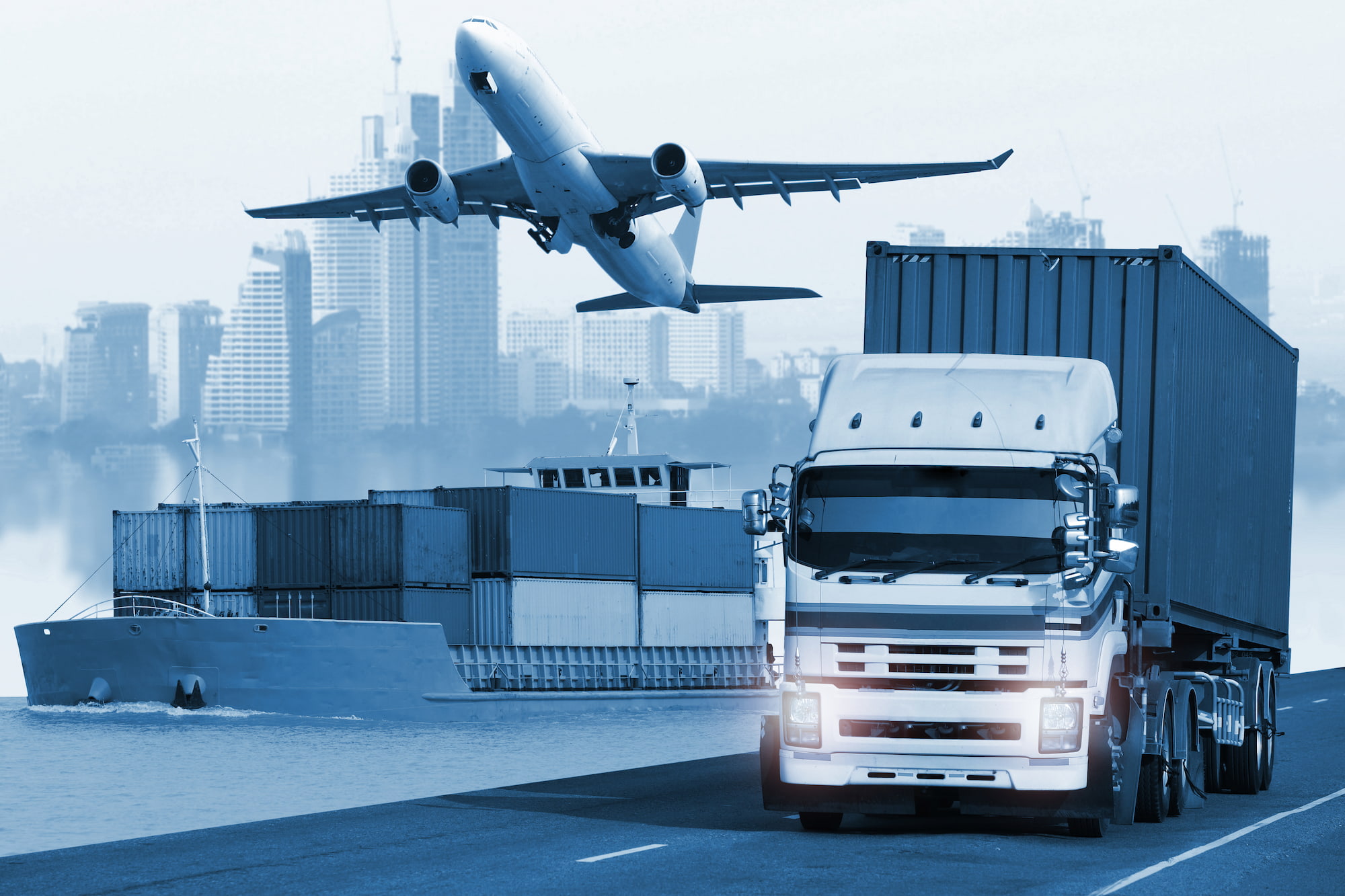
When shipping cargo internationally, it can be very beneficial to understand what is multimodal transport. Multimodal transport uses various modes of transportation to move cargo from the origin to the final destination. For example, this can include a shipment moving by vessel to a country before a truck transports it domestically. The conveyance can consist of air, ocean, road, and rail; however, a shipper uses a single contract and house bill. A single Multimodal Transport Operator (MTO) manages the entire journey despite the multiple transportation methods that the transporter can involve. This article will explain the benefits of multimodal transport and how it differs from intermodal transport.
Why Is It Essential To Know What Is Multimodal Transport?
Because of the components involved in moving goods internationally, understanding multimodal transport can benefit the shipper in numerous ways. A significant advantage is the increased flexibility in the overall supply chain. International shipping tends to be volatile with changing circumstances like demand and disruptions influencing cargo movement. Having different modes of transportation allows for adaptability when situations arise. For example, if a shipment becomes time-sensitive, a shipper can quickly switch to a transportation mode like air. Adaptability from various conveyance methods is also effective for timely deliveries since shippers can avoid situations like congestion. This is increasingly essential for businesses that must ship products to their customers.
Another benefit of multimodal transport is that it can decrease the overall costs of the transportation process. Since the shipper uses one contract with multiple methods of transport, the price tends to be less than using various agreements. The MTO can find the least costly solution for the shipper. Reducing the cost of shipping goods internationally becomes beneficial when moving large volumes of shipments constantly. It can simplify the logistics process for companies with complex supply chains that require managing multiple supply chains. Since a single MTO handles the entire process, the responsibility for damages and delays goes to the handler.
How Does Multimodal Differ From Intermodal Transport?
While multimodal and intermodal transport uses multiple conveyance methods, they differ in various ways. Due to the differences, freight forwarders play a different role based on the type of shipping. Intermodal transportation is the movement of goods to their final destination using various modes of transport with multiple contracts. For example, a truck, vessel, and rail carrier have their own contractors and issue separate Bill of Ladings. Due to the differences, these two transportation methods can have separate advantages based on the shipper’s needs. Intermodal transport lets the shipper choose carriers that fit their expenses and goals. Although multimodal transport may lessen choice freedom, it alleviates responsibility and may simplify scheduling.
A1 Worldwide Logistics
Since multimodal transport uses multiple modes of transport to ship, a key aspect is freight forwarding. Forwarders coordinate the movement of goods for the shipper by contracting one or more carriers. They act as intermediaries between shippers and carriers, ensuring the cargo reaches its final destination. A1 Worldwide Logistics has forwarders that can provide multimodal transport services for moving shipments internationally and domestically. For assistance with transporting cargo internationally, reach A1 Worldwide Logistics at info@a1wwl.com or 305-425-9752. We have solutions like freight forwarding, customs clearance, warehousing, and more to ensure the success of your supply chain.