US-Japan Trade Deal Starting
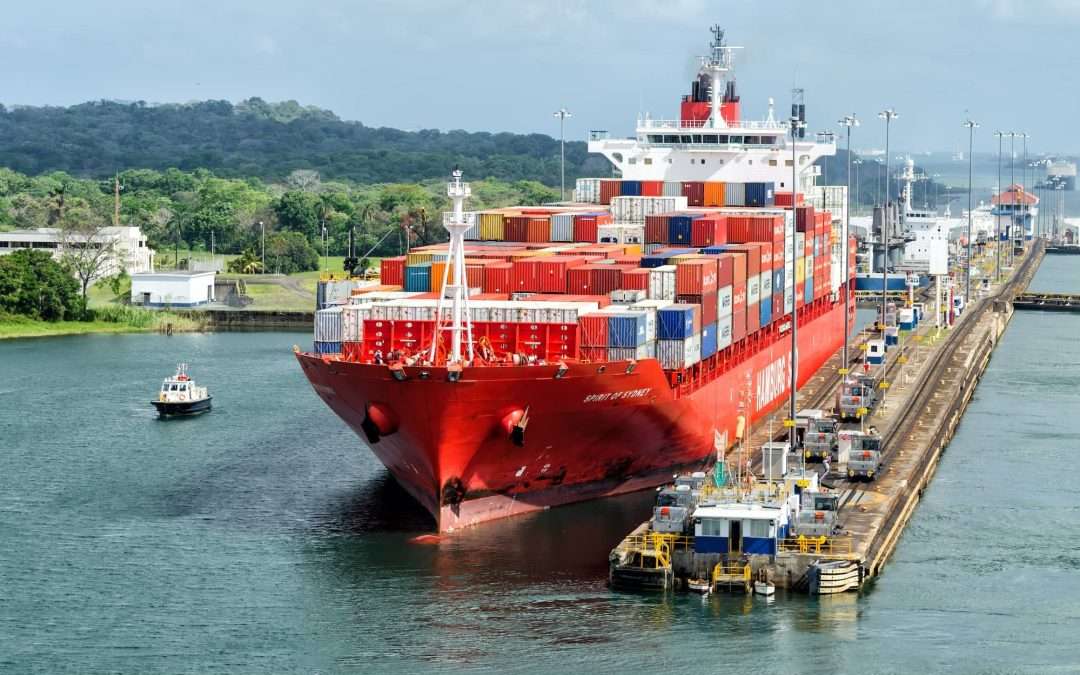
International shipping may soon feel the impact of the US-Japan trade deal starting on September 16. On July 22, the Trump Administration reached an agreement with Japan establishing a tariff framework between the countries. The deal includes a 15% baseline on most Japanese imports into the US, including automobiles and auto parts. When Trump returned to the presidency, he hiked the 2.5% duty on Japanese automobiles to 27.5%. The US will equally reduce the rates of automobile imports coming from the EU (European Union) and South Korea.
Some of the other key details from the trade deal include:
- Japanese imports will no longer have additional ad-valorem tariffs and reciprocal duties on top of the 15%.
- The tariff’s adjustments are retroactive to August 7. Importers that come into the US from Japan after that date are eligible for refunds under the deal.
- Japan will invest $550 billion in US projects picked by the US government. These will focus on national and economic sectors, including critical minerals, semiconductors, energy, defense, etc.
- Under the framework, Japan will purchase $8 billion yearly in agricultural goods and increase energy imports to nearly $7 billion yearly. Rice imports will also increase by 75%.
- Civil aircraft and parts imports from Japan will no longer face additional US tariffs.
The US will have the right to increase the baseline tariff amount by more than 15% if Japan fails to meet its commitments.
Why Is Trump Imposing A Trade Deal With Japan?
President Trump has cited various reasons for imposing trade deals with other countries. A primary goal is to “level the field” by reducing the trade deficit between the US’s largest trade partners. Imposing a 15% baseline tariff and securing billions in investments is a way for the US to correct imbalances. The deal could boost the US economy, with Japan buying more US-manufactured products like energy and farm goods. Another goal is for the US to lessen its dependence on China. The two countries have been in a tariff war, and “decoupling” from China will give the US international trade leverage.
What Can The US-Japan Trade Deal Starting Mean For Your Shipment?
Japan is reportedly the US’s fifth most significant trading partner, generating $227.34 billion in two-way trade in 2024. A significant impact may be that the cost of importing cars and other goods from Japan will decrease. In turn, the cost of purchasing an automobile and other products could decrease. A lower import cost may also result in a higher volume of cargo coming from Japan. A side effect would be increased domestic shipping when picking up the shipments from the ports. The deal’s framework could also result in similar deals between the US and other countries.
With the US and Japan reaching a trade deal, it can be a beneficial time for transporting cargo. Despite the opportunity, there are various things that a shipper should be aware of when starting. Failure to prepare can lead to monetary loss, delays, and other disruptions. An ideal way to prepare is to talk to a freight forwarder. A forwarder is a person or company that acts as a middleman between the shipper and the carrier. Along with coordinating freight movement on behalf of the shipper, they provide numerous services for their supply chains. Please speak to us at info@a1wwl.com or 305-425-9752 to talk to a forwarder about exporting and importing into the US.