Trump’s Tariff Hearing Date Is Set
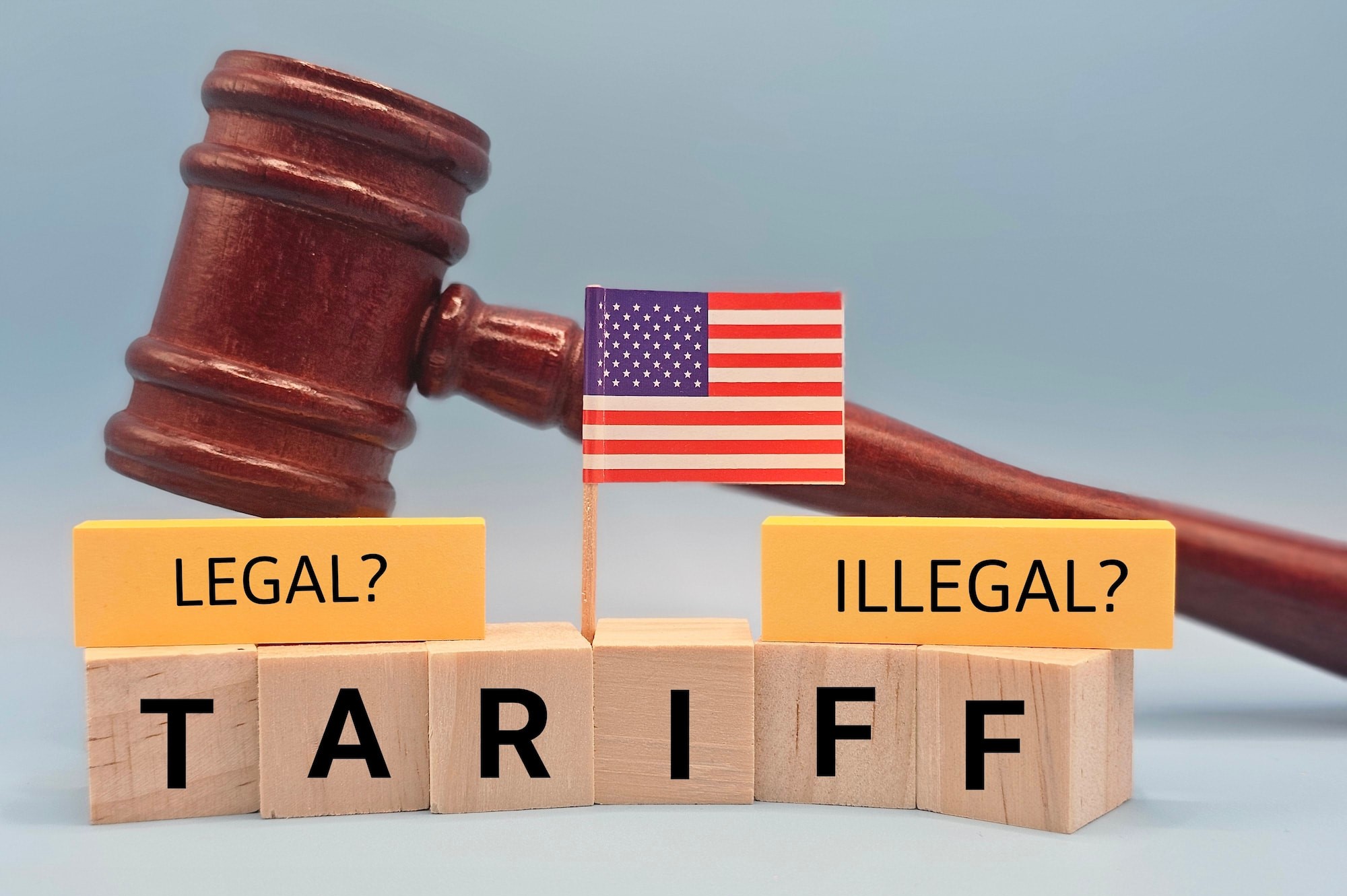
President Trump’s tariff hearing date is set for November 5, following an announcement from the Supreme Court. The Supreme Court will review two cases: Learning Resources v. Trump and Trump v. V.O.S. Selections. In Learning Resources v. Trump, businesses challenge Trump’s authority to impose tariffs under the IEEPA (International Emergency Economic Powers Act). The Trump v V.O.S. selections will be the president asking for a review of the ruling striking down the tariffs. Due to the high stakes involved, the Supreme Court is moving the cases on an expedited schedule. If the court rules the tariffs illegal, the US government may have to pay back hundreds of billions to importers.
What Is The Issue Regarding Trump’s Tariffs?
The issue started in April 2025, when Trump issued sweeping tariffs for all countries importing into the US. Along with a baseline 10% tax, this included specific levies for countries like China, Mexico, and Canada. In addition to reducing trade deficits and protecting US industries, another goal is to address drug trafficking. China is one of the most popular illegal importers of fentanyl into the US. Another goal was for Trump to use the tariffs as bargaining tools to force countries into trade deals. Trump relied on the IEEPA Act to justify, which states that the president may allow or block specific international transactions during a declared emergency.
In the US Court of Appeals’ 7-4 ruling, the majority ruled that Trump exceeded his authority in imposing the tariffs. The view is that the president cannot impose broad levies without definite congressional approval. In the opposing argument, the Trump Administration argued that the Court of Appeals argued “what limited tariffs are acceptable.” Another argument was that the ruling reduces presidential powers. On September 9, the Supreme Court agreed to hear the case, with the argument being whether the president can impose broad tariffs under the IEEPA or if it violates the lawmaking authority of Congress. The tariffs will remain in place until the court makes a final decision.
What Can Shippers Expect As Trump’s Tariff Hearing Date Is Set?
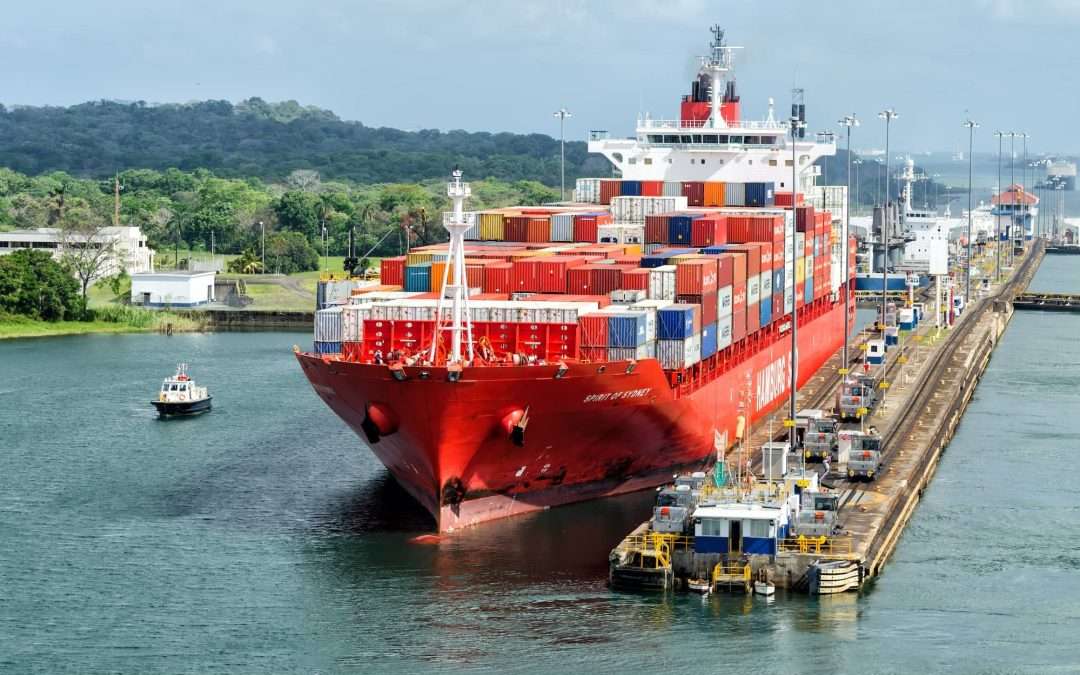
While there is current uncertainty for the international shipping industry, the final ruling will determine the future. If the Supreme Court rules that the tariffs are illegal, importers could be entitled to refunds. A ruling in favor of Trump would extend the scope of presidential powers and allow the issuing of more tariffs. Future presidents could also impose levies under the IEEPA without congressional approval. Trump could also re-impose tariffs under other legal authorities if the court rules them as Illegal. Some examples include Section 232 for national security or Section 301 of the Trade Act of 1974.
As the hearing date approaches, your shipment must be protected regardless of the outcome. Whether you’re importing or exporting, unpreparedness can lead to delays, monetary loss, and cargo loss. Cargo loss can be especially detrimental if you are a company with customers who rely on the goods. Speaking to a 3PL (Third-Party Logistics) provider like A1 Worldwide Logistics is ideal when moving cargo internationally. 3PLs are service providers that offer various services for a shipper’s supply chain. These include customs clearance, freight forwarding, domestic shipping, warehousing, and more. Reach us at info@a1wwl.com or 305-425-9456 to learn about our 3PL solutions for ensuring the success of your shipment.