While it is an excellent opportunity for shippers, there are numerous challenges associated with exporting out of the US. The US is one of the world’s largest exporters and an ideal location for reaching other markets. Due to its popularity, US manufacturing companies and individual shippers have benefited from shipping internationally. Despite the benefits, exporting can pose obstacles for both experienced and inexperienced shippers. Failure to understand what to expect and how to prepare can lead to delays, financial losses, and cargo losses. This article explains the challenges of exporting from the US and how to avoid these disruptions.
What Are The Challenges Associated When Exporting Out Of The US?
One of the most significant challenges a shipper can face when exporting from the US is regulatory compliance. There are numerous agencies governing exportations. Examples include the US Customs and Border Protection (CBP) and the Bureau of Industry and Security (BIS). Exporters must ensure compliance with export control laws, sanctions programs, and licensing requirements. Compliance is essential when shipping sensitive goods, including technology, machinery, and dual-use items. Even unintentional violations can result in severe penalties, shipment delays, or denial of export privileges. In turn, this can lead to greater costs and longer exportation times. Another challenge exporters should be aware of is the range of trade policies that can affect their shipments.
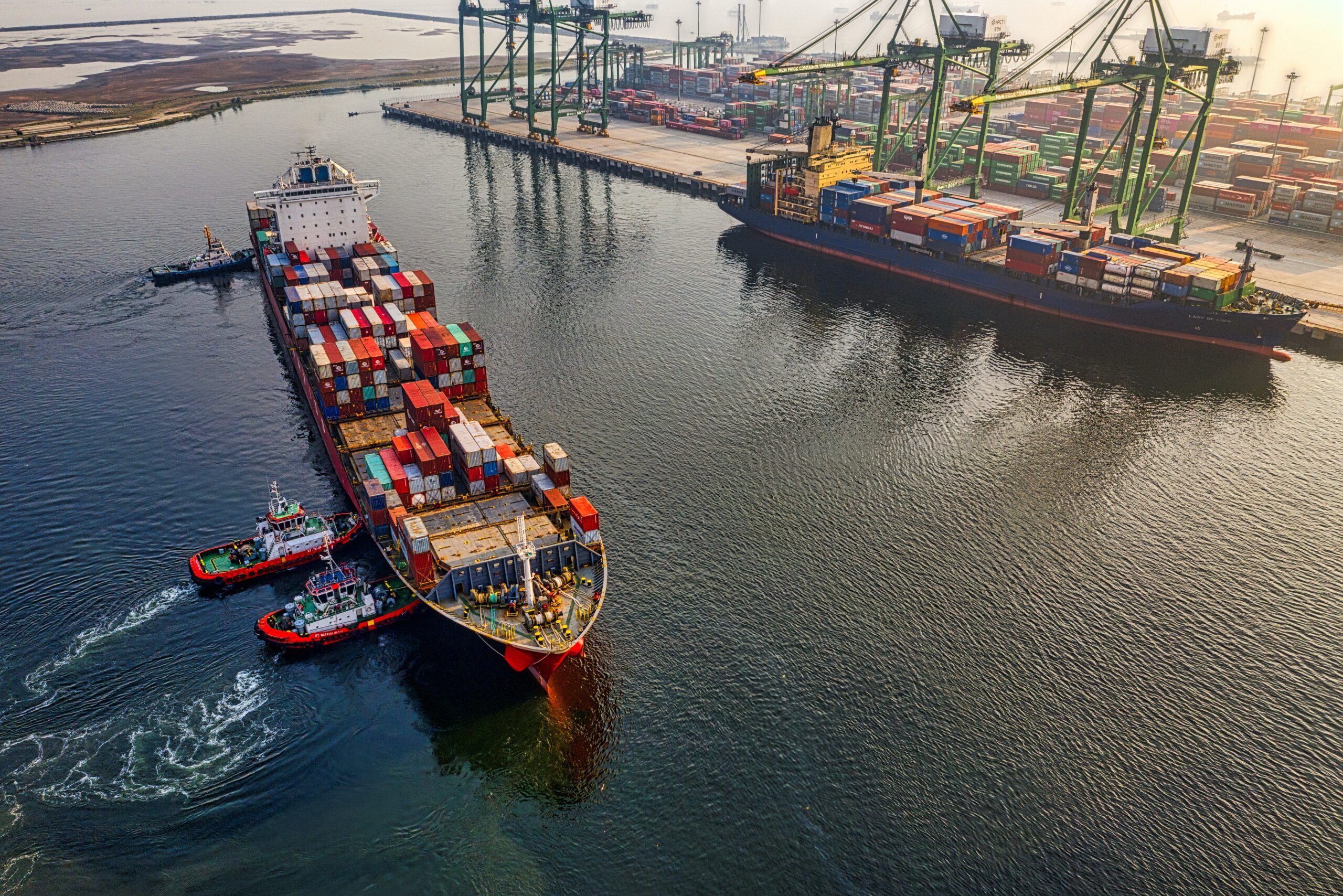
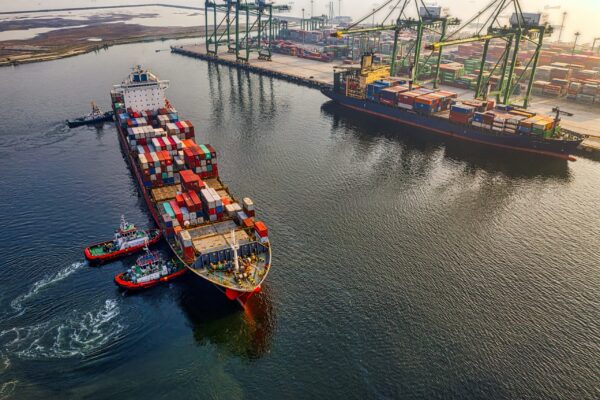
A recent example is the trade war the US has been engaged in with multiple countries since President Trump returned to office. In response to reciprocal tariffs, countries such as China imposed levies on US goods. In turn, export costs may rise, and exporters may have to adjust target markets and pricing to offset the impact. Exporters should also be aware of potential logistics issues, including port congestion that can cause delays. Congestion can also make it harder for shippers to secure containers and lead to vessel cutoffs. Packaging and labeling also must meet international standards to prevent rejections on vessels.
How Can Shippers Prepare?
Given the challenges of exporting from the US, shippers must prepare accordingly. Before starting, exporters must understand the requirements of governing agencies such as CBP. The requirements depend on the cargo that the shipper is transporting. An example is medical devices, which require Food and Drug Administration (FDA) approval before being exported from the US. Speaking with a freight forwarder can provide an idea of what to expect, including the required paperwork. Standard documents necessary for exportation include:
- Commercial Invoice
- Bill of Lading
- Packing List
- Certificate of Origin
Certain exports, such as hazardous materials and pharmaceuticals, may also require specialized permits. Minor documentation errors can lead to customs holdups, fines, and port rejections. Shippers must also choose their mode of transport, typically by sea, air, or land. It is beneficial to use drayage services when transporting goods to a port for international shipment.
Exporting from the US typically involves multiple components of the supply chain. Preparation includes additional parts not mentioned in the article. Reaching out to a 3PL (Third-Party Logistics) provider like A1 Worldwide Logistics is an ideal way to get started. A 3PL is a company that handles various supply chain functions for a client. These include freight forwarding, customs clearance, domestic shipping, warehousing, and more. 3PLs also offer consulting services to help you navigate challenges when exporting your shipment. Contact A1 Worldwide Logistics at info@a1wwl.com or 305-425-9456 to learn about our 3PL services for ensuring your export’s success.