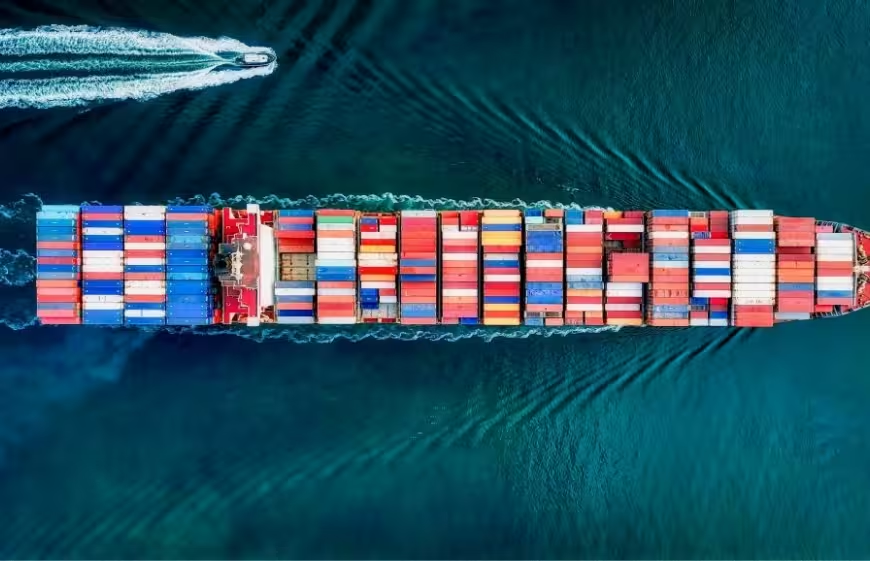
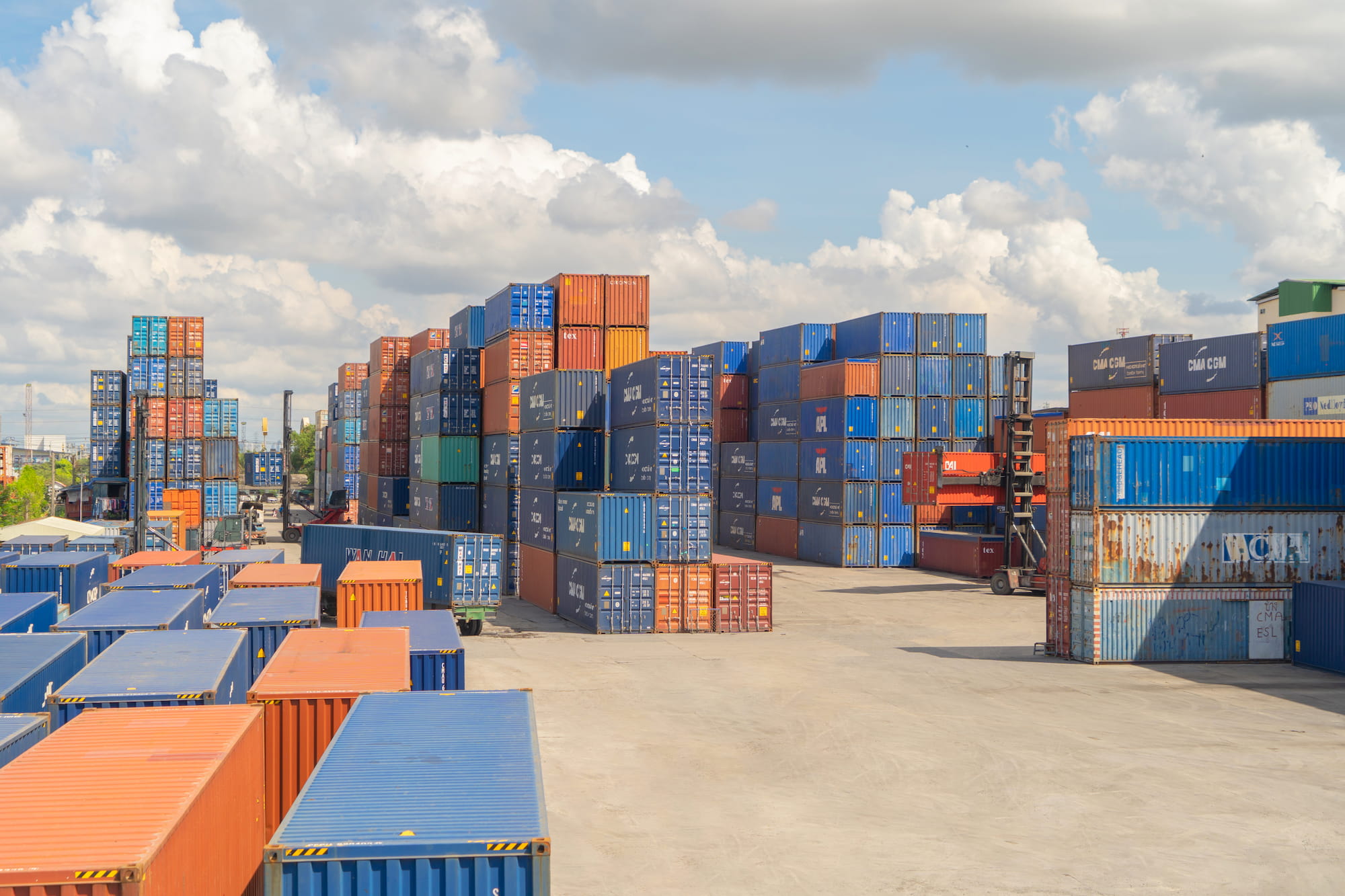
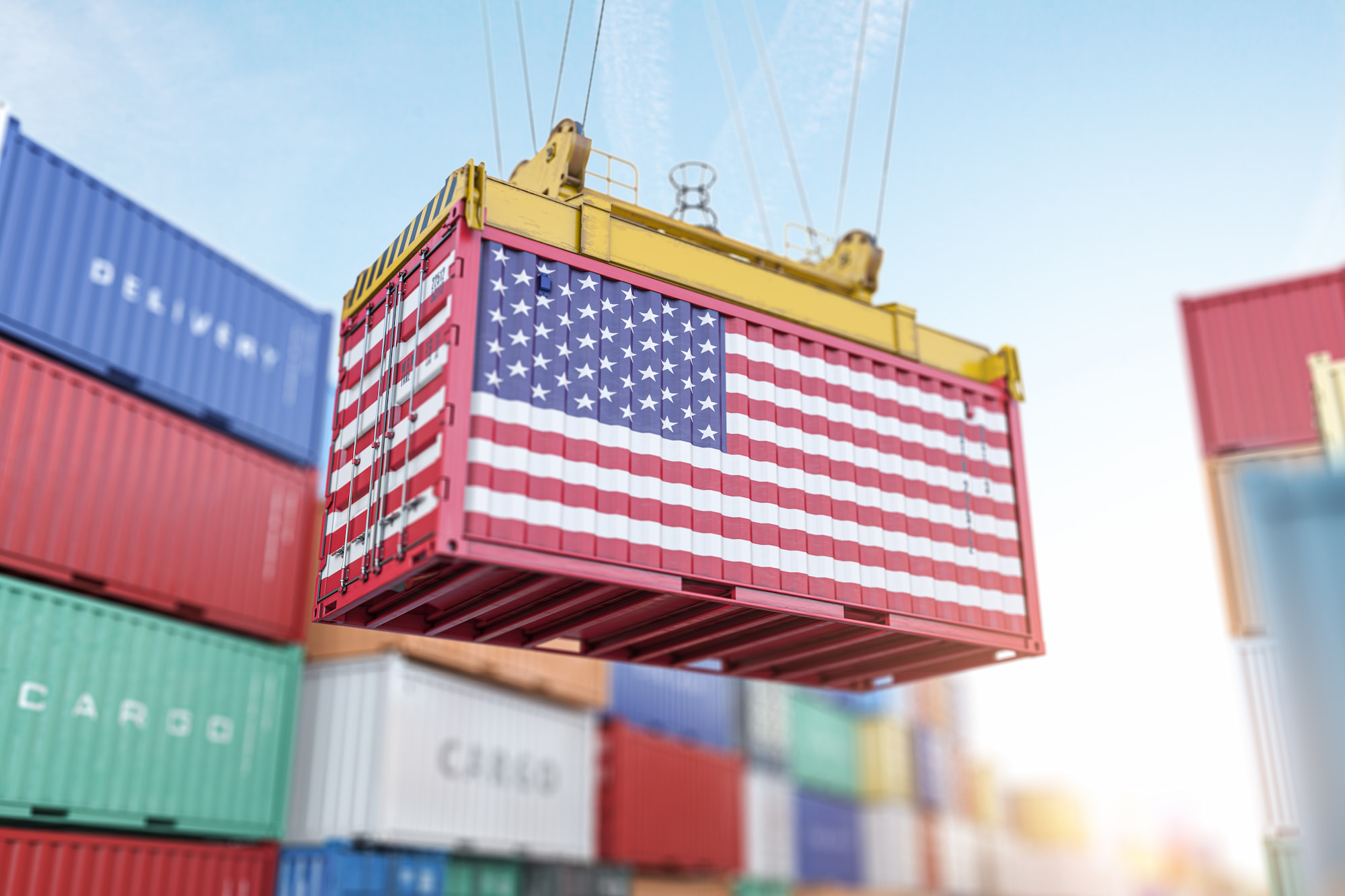
When your freight forwarder tells you that your container has arrived at the port, it does not necessarily mean the cargo is ready for pickup.
The container may still need to be discharged from the vessel, released by U.S. Customs and Border Protection, released by the ocean carrier, and made available by the terminal before a truck can collect it.
This is also the point where timing becomes important. If Customs clearance, carrier release, or pickup arrangements are delayed, storage, demurrage, or other charges can begin to accumulate once the applicable free time expires.
This guide explains what happens after an import container reaches a U.S. port, why containers sometimes get stuck, and what to check if your cargo is already waiting at the terminal.
What Does “Port of Destination Arrival” Mean?
Port of destination arrival generally means the international transportation has reached the destination port or gateway shown in the shipment tracking.
For ocean containers, this does not necessarily mean the container has been discharged, cleared by Customs or made available for pickup. The vessel may have arrived while the container is still waiting to be unloaded, or other release requirements may still be outstanding.
Check the ocean carrier and terminal status for the actual container rather than assuming that an arrival update means the cargo is ready for delivery.
What “Container at Port” Really Means
1. The Container Is Discharged From the Vessel
After the vessel berths, the terminal unloads the container and moves it into the terminal yard.
Vessel arrival and container discharge are separate events. A tracking system may show that the ship has arrived before your individual container is physically available in the terminal.
2. Customs and Other Government Agency Requirements Are Completed
The Customs-entry process can begin before the container physically arrives. Brokers can transmit entry information electronically before vessel arrival, and CBP’s ACE system can return certain admissibility or release statuses before arrival when the applicable requirements are met. (CBP’s Automated Broker Interface guidance)
If the entry has not been released, CBP may still be reviewing the shipment or requesting additional information. Goods regulated by another government agency can also require that agency’s release before the cargo can move.
3. The Ocean Carrier Releases the Container
Customs release is not always the only release required.
The ocean carrier can also have requirements before issuing its delivery order or cargo release. Depending on the shipment, this can involve the Bill of Lading status, freight or destination charges, and other carrier documentation.
Major ocean carriers treat this as a separate import-release step after the relevant documentation and charges have been dealt with.
4. The Terminal Makes the Container Available for Pickup
Even after Customs and carrier requirements have been satisfied, the importer or trucker should confirm that the container has actually been discharged and is available for collection at the terminal.
Depending on the terminal, a pickup appointment or other terminal arrangements may also be required.
5. The Container Is Picked Up and Delivered
Once all required releases are in place and the terminal shows the container as available, the drayage or trucking provider can collect it for delivery.
After unloading, the empty ocean container normally needs to be returned to the carrier’s designated location within the applicable free time.
Customs Release vs. Carrier Release vs. Terminal Availability
| Status |
What it means |
| Customs release |
CBP and any applicable government agencies have released the cargo from their hold |
| Carrier release |
The ocean carrier’s documentation/payment requirements have been satisfied, and the cargo can be released |
| Terminal availability |
The container has been discharged, and the terminal shows it as available for pickup |
| Pickup arranged |
A trucker has the necessary information/appointment to collect the container |
A container can have Customs release but still not be ready for pickup. For example, the carrier may still require a release, the container may not yet be available at the terminal, or trucking arrangements may not have been completed.
If a container seems stuck, identify which of these stages has not been completed before trying to solve the problem.
Why Is My Container Stuck at the Port?
If a container has arrived but is not moving, the first step is to determine who is holding up the release.
- Customs clearance is still pending. CBP may still be reviewing the entry or waiting for additional information.
- CBP or another government agency has placed the shipment on hold. The cargo may require document review, examination, or another agency’s release.
- Documents are missing or inconsistent. Problems with the Commercial Invoice, Packing List, Bill of Lading, or product information can prevent the entry from moving smoothly.
- The carrier has not released the cargo. Bill of Lading requirements, unpaid destination charges, or another carrier issue can prevent release even after Customs clearance.
- The container is not yet available at the terminal. Vessel arrival does not mean every container has already been discharged and made available.
- Pickup has not been arranged. Appointment availability, trucking or equipment can delay collection even after the container is otherwise releasable.
- Duties, fees, or other required charges remain unpaid.
If the problem is specifically a Customs hold, see our guide to what to do when a shipment is stuck at Customs.
What Documents Does My Customs Broker Need?
The exact documents depend on the goods and entry, but a commercial ocean import will commonly involve:
- Commercial Invoice
- Packing List
- Bill of Lading
- Arrival Notice or carrier arrival information
- Any permits, certificates, or other government-agency documents required for the goods
The customs broker also needs accurate classification, value, country-of-origin and importer information to prepare the entry.
If you use a broker, it is better to provide the documents before the vessel arrives rather than waiting until the container is already accumulating time at the terminal.
See our guide to documents used in customs clearance for a more complete explanation.
How Long Can a Container Stay at the Port Before Charges Apply?
There is no universal number of free days that applies to every import container.
Free time can depend on the ocean carrier, marine terminal, port, equipment, service contract and shipment. Importers should check the last free day for the specific container rather than relying on a general estimate.
Once applicable free time expires, different charges can begin to accrue depending on where the container is and which party or facility is charging them.
Demurrage vs. Detention vs. Terminal Storage
These terms are related but should not automatically be treated as interchangeable.
Demurrage generally refers to charges associated with use of the carrier’s container while it remains within the terminal beyond the applicable free time.
Detention generally refers to charges associated with keeping the carrier’s equipment outside the terminal beyond the allowed free time before returning it.
Terminal storage is a charge associated with use of terminal space and may be assessed separately from carrier demurrage depending on the terminal and shipment.
The Federal Maritime Commission regulates important aspects of detention and demurrage billing for U.S. ocean shipping, including invoice requirements and dispute procedures.
Because the free-time terms and rates vary, check the carrier and terminal information for the actual container.
What Should I Do If My Container Is Already at the Port?
If your container is already at a U.S. port and you are unsure why it has not moved, gather the container number and Bill of Lading number and check these points:
- Has the container been discharged from the vessel?
- Has CBP released the shipment?
- Does another government agency have a hold on the cargo?
- Has the ocean carrier released the container?
- Is the container available at the terminal?
- What is the container’s last free day?
- Has trucking/pickup been arranged?
- Where and when must the empty container be returned?
If Customs clearance is still outstanding, a licensed customs broker can review the shipment information and determine what is needed for the Customs entry.
If the shipment has already been released and you need it collected from the terminal, A1 can also arrange trucking and final delivery.
Frequently Asked Questions
Do I need a customs broker to get a container out of a U.S. port?
A customs broker is not legally required for every U.S. import, but many commercial importers use one to prepare the Customs entry, classification, duties and required agency information. A broker can be particularly useful when the container has already arrived and clearance is still outstanding.
Does “port of destination arrival” mean my shipment cleared Customs?
No. It generally means the international shipment has reached its destination port or gateway. Customs release, carrier release and terminal availability may still be outstanding.
Can Customs clear a container before it arrives?
Entry information can be submitted before arrival, and CBP’s electronic systems can issue certain cargo-release results before the ocean conveyance arrives.
How do I know when my container is ready for pickup?
Confirm that the container has been discharged, the required Customs/agency releases are in place, the ocean carrier has released the cargo and the terminal shows it as available for pickup.
What happens if Customs examines my container?
The shipment can remain on hold while the examination is completed. The exact timing and costs depend on the type of examination, port and shipment.
What is the last free day for a container?
The last free day is the final day the container can remain under the applicable free-time terms before certain demurrage, storage or related charges can begin to accrue. It varies by carrier, terminal and shipment, so check the actual container status rather than relying on a general number of free days.
Need Help With a Container Already at the Port?
A1 Worldwide Logistics provides U.S. customs clearance, customs brokerage, and trucking for commercial imports.
If your container has already arrived at a U.S. port, contact us at 305-821-8995 with the Bill of Lading number, container number, port of arrival, and current shipment status. Our team can identify which part of the clearance or delivery process still needs to be completed.