What Is Demurrage? Container Charges, Detention, and Free Time

What Is Demurrage? Container Charges, Detention, and Free Time

What Is Demurrage? Container Charges, Detention, and Free Time Demurrage is a charge that can apply when an import container remains at a marine terminal beyond its allowed free time. Detention generally applies when the carrier’s container has been collected but is...

What Is a Continuous Customs Bond?

What Is a Continuous Customs Bond?

What Is a Continuous Customs Bond? A continuous customs bond is a bond used by importers to cover multiple U.S. Customs transactions rather than arranging a separate bond for each applicable shipment. If you regularly import commercial goods into the United States, a...

How to Import Goods Into the United States

How to Import Goods Into the United States

Buying goods from an overseas supplier is only one part of importing them into the United States. Before the shipment leaves, you need to know whether the product can enter the country, who will act as the importer, what duties or additional tariffs may apply, what...

Why Use Warehousing Services?

Why Use Warehousing Services?

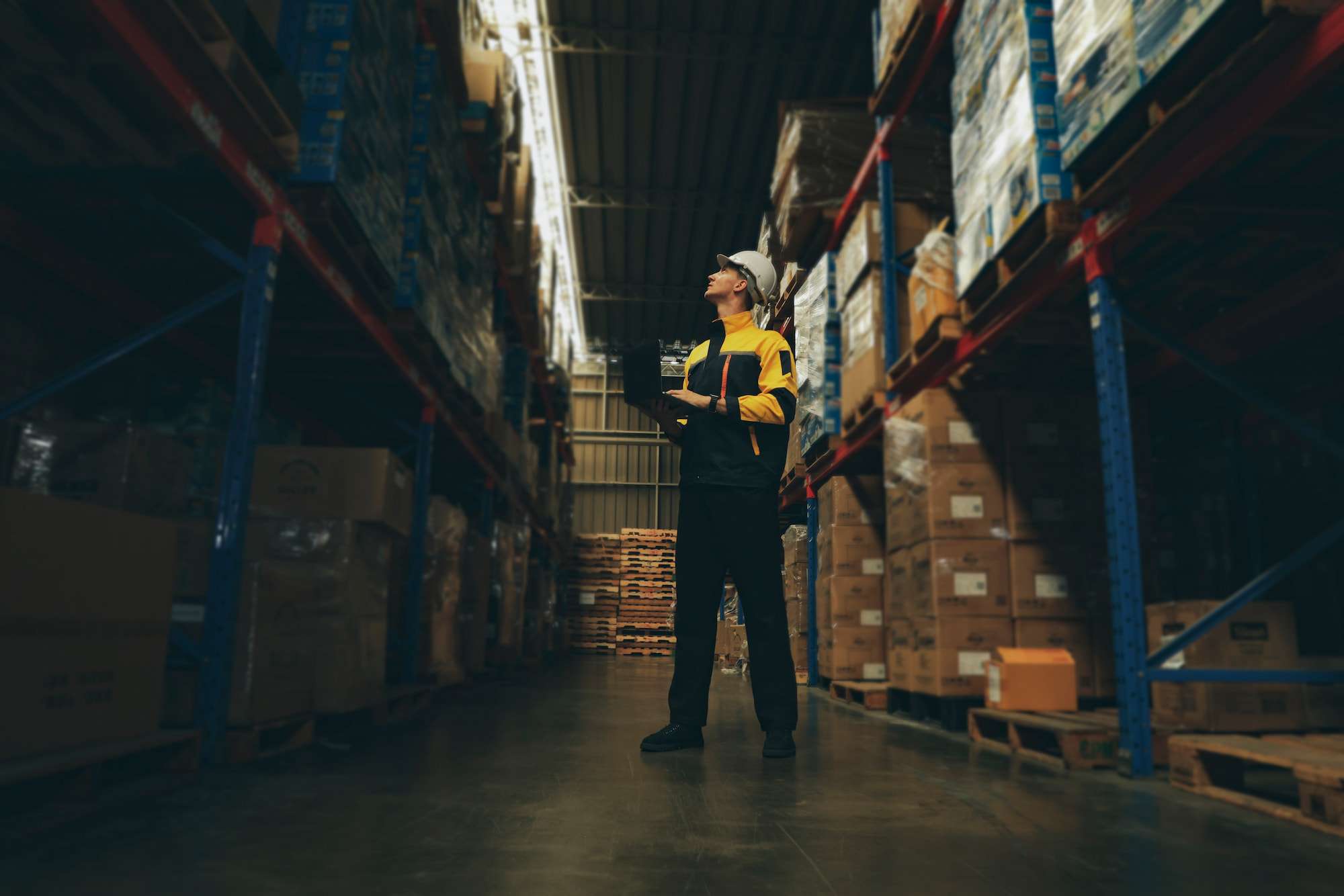
When deciding whether to ship internationally or domestically, consider why you should use warehousing services. Warehousing is a logistics solution that involves storing goods in a specialized facility. From there, the warehouse can provide many value-added services...

US Lowering Bangladesh Tariffs

Share This Article

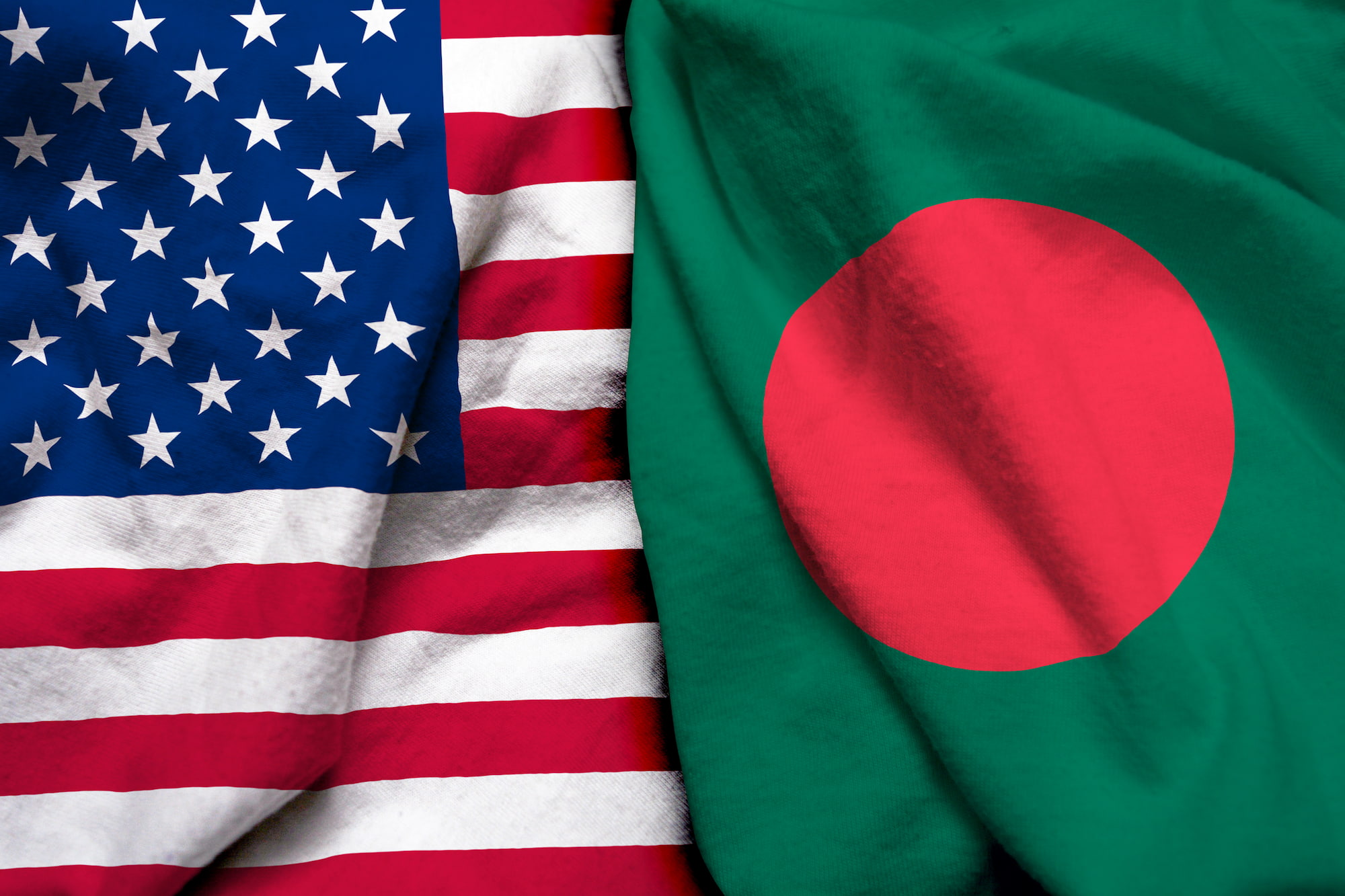
A recent trade agreement will result in the US lowering Bangladesh tariffs to 19%. On February 9, American adviser Jamieson Greer met with Bangladesh advisor Sheikh Uddin to sign the Agreement on Reciprocal Trade. In addition to lowering the levy from 20% to 19%, certain textiles and apparel products will enter the US duty-free. These goods include US-sourced cotton and manufactured fibers. The agreement will also expand market access between the two countries, particularly for American industrial and agricultural products. This will cover goods ranging from machinery and communication equipment to dairy and beef products. With the ongoing international trade war over the last year, the news is a relief.

Why Is The US Lowering Bangladesh Tariffs and Finalizing A Trade Agreement?

The US and Bangladesh have reached a trade deal for various purposes, including strengthening bilateral trade ties. Lowering tariffs and offering duty-free importing for apparel made with US material will expand Bangladesh importers’ access to US markets. The access will increase trade flows between the two countries and strengthen economic ties. Another goal of the trade agreement is to support Bangladesh’s garment sector, which relies on exports. Lower and duty-free tariffs on imports like garments made from US cotton will benefit American retailers and help sustain orders. On a broader scale, the US has been negotiating with Bangladesh and other countries over the past year to reduce trade frictions caused by tariffs and strengthen trade relationships.

What Can This Mean For Shipping?

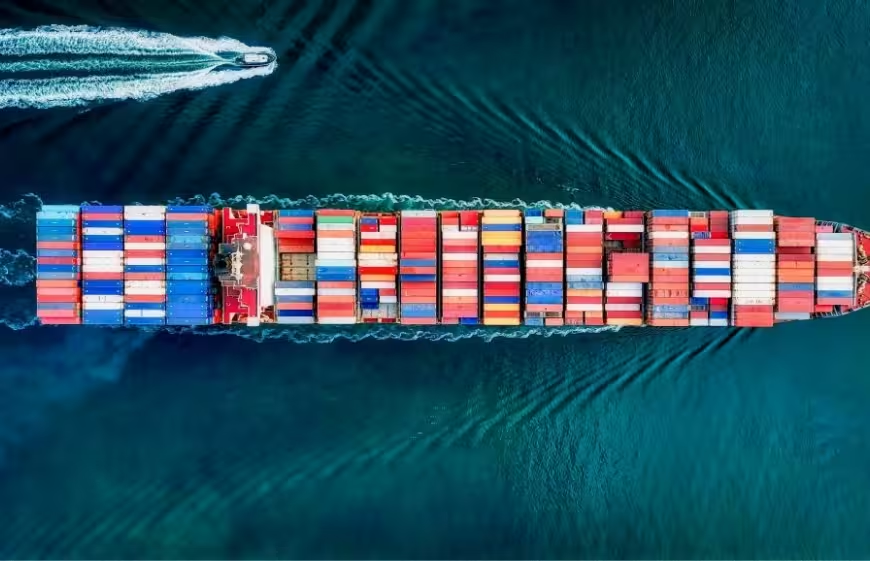
The Agreement on Reciprocal Trade between Bangladesh and the US could significantly impact international shipping. Both countries may benefit from increased cargo imports and exports, as well as access to each other’s markets. The US has been making similar deals with countries such as India for greater bilateral cooperation. A hope is that the US will continue to negotiate trade agreements that benefit importers and exporters. Supply chains that import from Bangladesh could also benefit from lower import costs, which in turn reduce costs for other components, such as domestic shipping.

As tariffs on imports from Bangladesh decline, it will be more beneficial for importers bringing goods into the US. It is still essential that the shipper take the necessary steps to avoid delays that could result in financial losses. To prevent shipping disruptions, it can be beneficial to consult a freight forwarder, such as A1 Worldwide Logistics. A forwarder is a person or company that acts as a middleman between the shipper and the carrier. They do this by offering a range of solutions, including providing documentation, customs clearance, warehousing, and consulting services. Speak to our forwarders at info@a1wwl.com or 305-423-9456 to begin moving your goods anywhere internationally.

A1 Worldwide Logistics, Inc.

📍1035 NE 125th St #320, North Miami, FL 33161, USA

🌍 a1worldwidelogistics.com

📞 305-821-8995

🕒 Hours: 8AM – 5PM

Submit your request

Container in transit to port

What Is Demurrage? Container Charges, Detention, and Free Time

What Is Demurrage? Container Charges, Detention, and Free Time Demurrage is a charge that can apply when an import container remains at a marine terminal beyond its allowed free time. Detention generally applies when the carrier’s container has been collected but is...
Using a customs brokerage is essential for ensuring a successful customs clearance.

What Is a Continuous Customs Bond?

What Is a Continuous Customs Bond? A continuous customs bond is a bond used by importers to cover multiple U.S. Customs transactions rather than arranging a separate bond for each applicable shipment. If you regularly import commercial goods into the United States, a...
Importing goods into the united states

How to Import Goods Into the United States

Buying goods from an overseas supplier is only one part of importing them into the United States. Before the shipment leaves, you need to know whether the product can enter the country, who will act as the importer, what duties or additional tariffs may apply, what...
Understanding what are warehousing services can significantly improve your supply chain.

Why Use Warehousing Services?

Looking for a smarter way to manage your cargo? Warehousing services can provide more than just a place to store your goods—they offer numerous value-added services before your cargo reaches its final destination.

This is a guide on how to ship goods internationally.

How to Ship Goods Internationally: A Guide for Businesses

Commercial international shipping can involve freight transportation, carrier bookings, complex documentation, customs requirements, and much more. 🚢✈️ Understanding these steps can help you avoid delays, unexpected costs, and compliance issues.