US And India Reach A Trade Deal
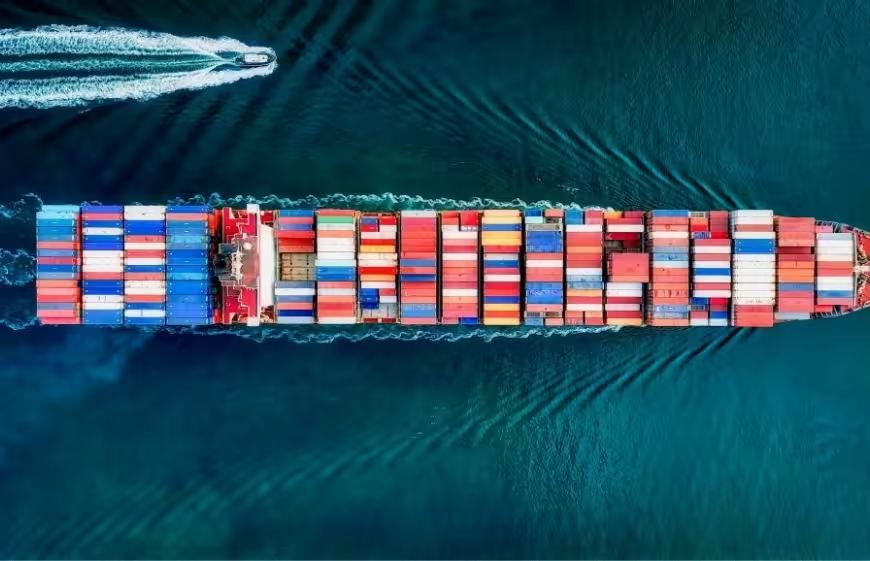
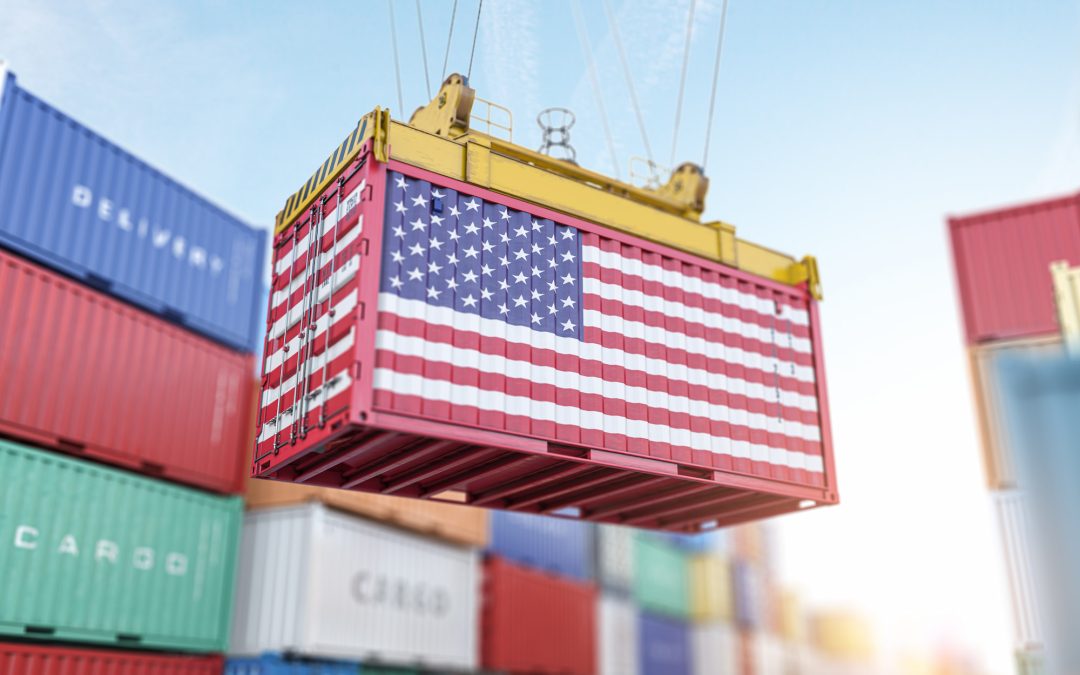
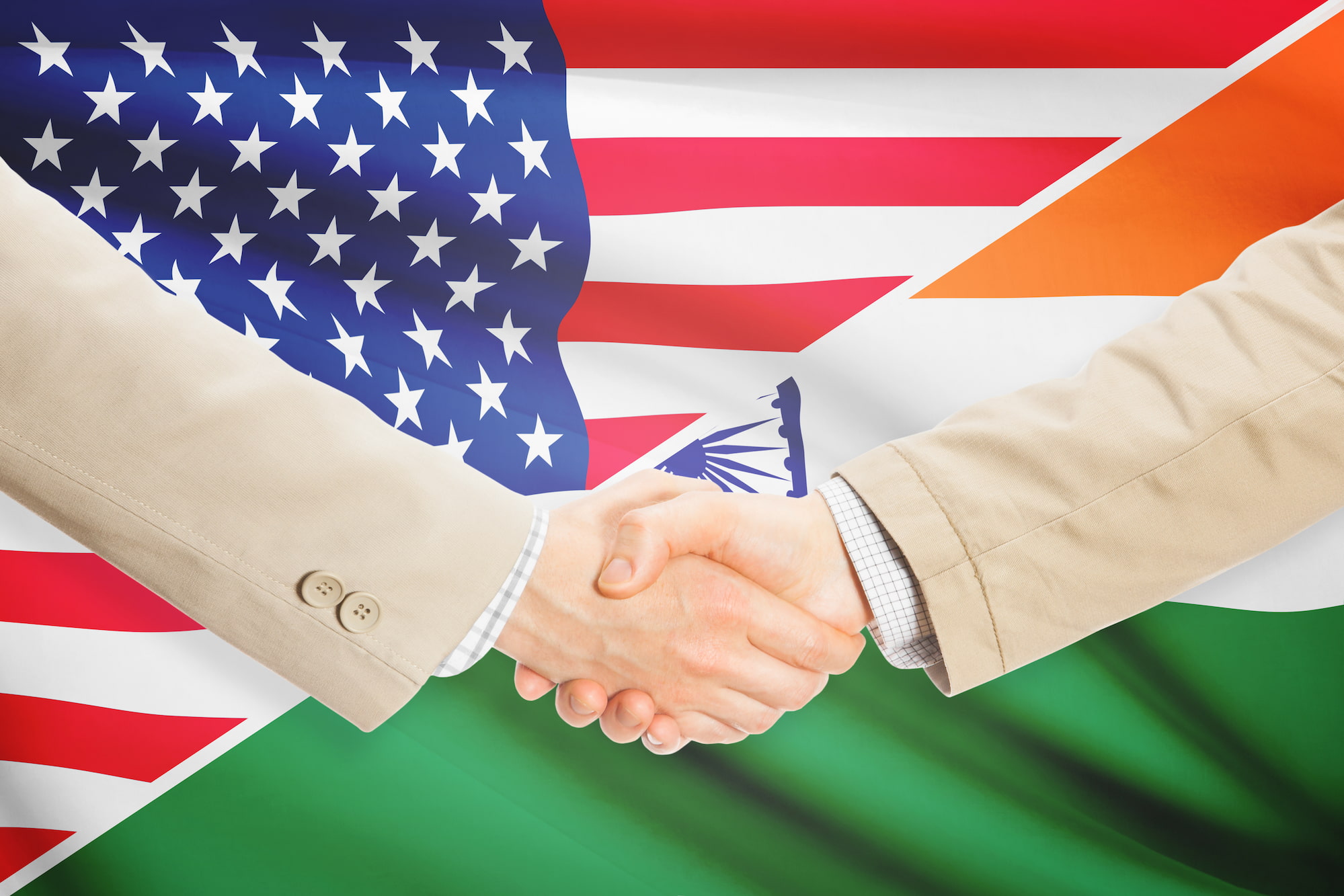
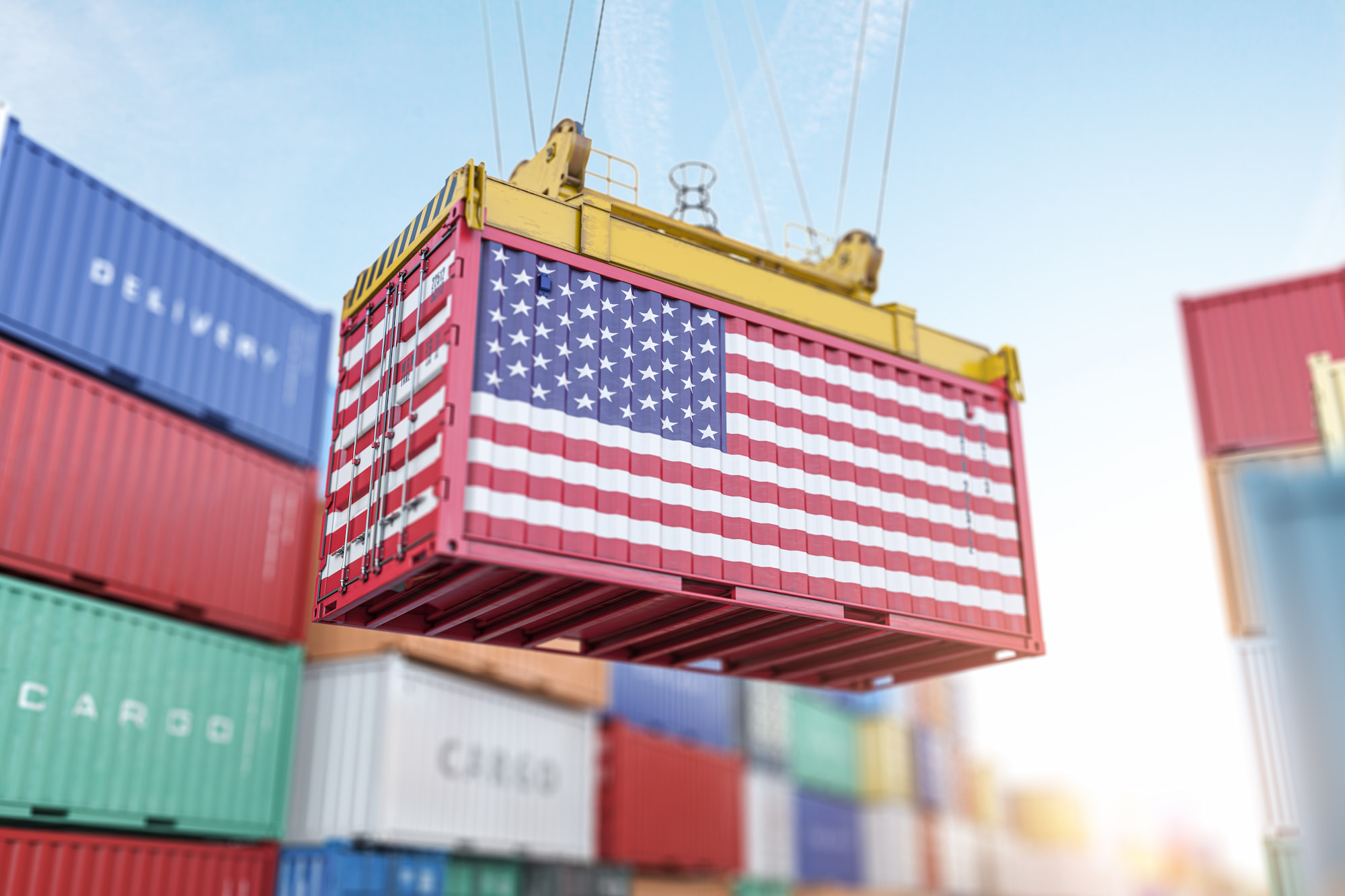
The US and India reach a trade deal following a call between President Trump and Indian Prime Minister Narendra Modi. On Monday, February 2, Trump announced that he will lower tariffs on imports from India to 18%. Originally, he imposed levies ranging from 25% to 50%. Trump’s announcement comes a few days after India signed a trade deal with the EU (European Union). The deal will also have India purchasing $500 billion in US products, including energy, technology, agriculture, and other products. Given the volume of goods the two countries ship to each other, the deal may be significant for international shipping.
Why Did Trump Impose And Cut The Tariffs On India?
Trump’s original reason for imposing a 25% tariff on India was due to its purchase of oil from Russia. Before that, Trump also imposed Section 232 duties on steel and aluminum and IEEPA reciprocal tariffs, raising taxes to 50%. On February 2, Trump reduced the reciprocal tariffs to 18% and fully removed the levies on Russian oil. A primary reason is to strengthen bilateral cooperation between the two countries and increase India’s investment in US products. Narendra Modi noted that the deal will lead to “immense opportunities for mutually beneficial cooperation.” Trump has also indicated a potential future agreement under which India increases its reliance on US crude oil rather than on rivals such as Russia and Iran.
How Will The Shipping Industry Be Impacted As The US And India Reach A Trade Deal?
Given the volume of goods traded between the two countries, the new deal will significantly benefit international shipping. India is a major importer of metals and pharmaceuticals from the US, and lower tariffs can increase imports. Less trade friction will give India better access to US markets and vice versa. An increase in imports will also benefit domestic shipping, including drayage for transporting cargo to and from ports. The US has reached similar trade deals with countries in the EU (European Union) and South Korea. A hope is that the US will continue negotiating trade deals with other countries, leading to lower tariffs.
Despite lower taxes potentially reducing import costs from India, shippers should still exercise caution when starting. Failure to be prepared can cause disruptions, including customs delays, resulting in financial losses. Disruptions can be especially detrimental if the importer is a business with customers who expect their products. Shippers can prepare by contacting a 3PL (third-party logistics) provider before starting. A 3PL is a company that handles various supply chain functions for a client. These may include customs clearance, freight forwarding, domestic shipping, warehousing, and more. Contact A1 Worldwide Logistics at info@a1wwl.com or 305-425-9456 to learn about our 3PL solutions for your shipment’s success.