Before a winery dispatches a commercial order to the United States, the importing business should have its permit and product approvals in order. For bottled wine containing 7% to 24% alcohol by volume, this generally includes a TTB importer’s basic permit and a...
Customs clearance costs for U.S. imports can include the broker’s fee, import duties, and government processing charges. A shipment may also need a customs bond or additional filing services. The amount depends on the goods and the work involved, so the advertised...
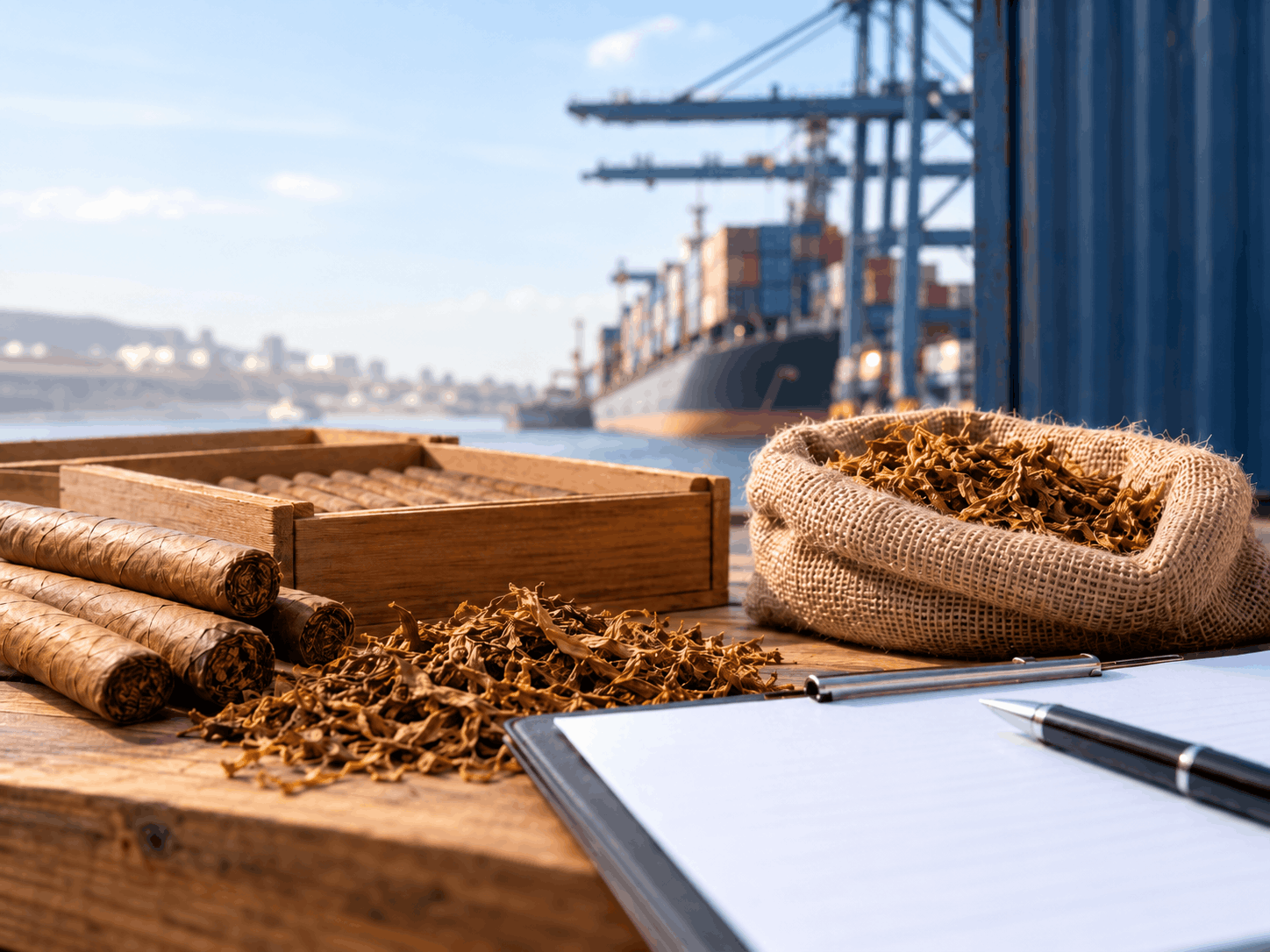
Commercial tobacco imports require a permit from the Alcohol and Tobacco Tax and Trade Bureau, or TTB, before the business begins importing. The products must also meet the U.S. requirements that apply to their category. A permit to operate does not establish whether...
The Importer of Record, usually shortened to IOR, is the party legally responsible for the customs entry when goods are imported into the United States. For a business buying goods from an overseas supplier, this will often be the U.S. buyer. Other arrangements are...
The 4 logistics trends you need to know to be ready for 2019
Share This Article
As A1 Worldwide Logistics, the logistics industry, and the broader business world, look to 2019, it’s time to explore what the new year will bring to logistics and 3PL’s. As a serial innovator in this industry, we’ve outlined a few predictions and trends that we believe will affect the logistics industry will experience over the next year.
Payments Will Be More Secure, And International Transactions Will Be Easier Than Ever
In 2019, new payment technologies will continue to make inroads in the logistics industry on a widespread scale, leading to more security and transparency in transactions globally.
Cryptocurrencies like bitcoin and etherum will become extensively accepted, leading to safer payments with an eye toward maintaining privacy. Whether any significant financial institution introduces a cryptocurrency of their own remains to be seen, but the industry will be prepared. For the logistics industry, cryptocurrency will make it easier for cross-border, international payments to be carried out safely and securely.
Big Data, Blockchain Technology, and Automation Will Transform Logistics
Demand for IT services in the logistics industry appears to have increased in recent years as more companies have begun IT projects in their logistics/supply chain operations. That trend will most likely continue in 2019 as small and midsize importers and exporters even the playing field against larger counterparts by leveraging big data and blockchain technology.
The execution of big data technology will lead to safer supply chains globally. Small and growing importers and exporters stand to gain the most from new technology since they do not have the resources to create a secure supply chain but will be able to rely on freight companies that provide big data capabilities to customers. The supply chain will be more reliable, as importers and exporters will have the ability to communicate quickly with global suppliers and automate complicated tasks to minimize human error and eliminate redundancies.
Blockchain and related technology will increase transparency for importers and exporters in 2019. It will reduce the time and personnel to record communications within the supply chain. When shipping globally, there are many layers involved, so it will benefit shippers to minimize information interruption, reduce the paperwork required, and maintain access to original information without worrying about tampering and or fraud during and after shipment. Additionally, blockchain will eliminate intermediaries, as it enables direct communication between participants.
The Logistics Industry Will Continue To Shrink, Leaving Few Major Players
In 2017 and 2018, significant developments in logistics led to the consolidation of major shipping companies. The result is far fewer shipping carrier options for shippers.
In 2019, further consolidation of the Logistics industry may mean higher rates due to less competition. However, through mergers and acquisitions, shipping companies will offer top-tier customer service and increased capacity. In 2019, consolidation will continue to be a double-edged sword.
Politics and tariffs will continue to effect Logistics
Many businesses have already cited substantial headwinds from tariffs in their earnings results, with taxes affecting their bottom lines. For businesses that haven’t felt direct effects just yet, many are bracing for a worst-case scenario and looking at their supply chains and sourcing for ways to potentially mitigate the costs.
Earlier this year the Trump administration indicated potentially placing tariffs on an additional $269 billion worth of goods from China. Tariffs on $60 billion worth of products are already in effect. The most recent announcement adds $200 billion in value. If another $269 billion are added, the total amount of the Chinese goods taxed by the U.S. will reach $519 billion, which is more than the total amount of goods the U.S. imported from China in 2017.
In closing, it is likely that 2019 will be the most active and challenging year ever in global trade and logistics. As the Trade War between the US and China simmers, the new North American Trade Pact “USMCA” is finalized and America’s attention is directed toward other targets, the environment for logistics professionals will be intense and ever-changing. A1 Worldwide Logistics will be here to help your company navigate these changes and provide the services that keep your company moving forward.
Have questions about how your business is going to handle these tariffs? Give us a call at (305) 821-8995 or send us an email at info@a1wwl.com
Before a winery dispatches a commercial order to the United States, the importing business should have its permit and product approvals in order. For bottled wine containing 7% to 24% alcohol by volume, this generally includes a TTB importer’s basic permit and a...
Customs clearance costs for U.S. imports can include the broker’s fee, import duties, and government processing charges. A shipment may also need a customs bond or additional filing services. The amount depends on the goods and the work involved, so the advertised...
Commercial tobacco imports require a permit from the Alcohol and Tobacco Tax and Trade Bureau, or TTB, before the business begins importing. The products must also meet the U.S. requirements that apply to their category. A permit to operate does not establish whether...
The Importer of Record, usually shortened to IOR, is the party legally responsible for the customs entry when goods are imported into the United States. For a business buying goods from an overseas supplier, this will often be the U.S. buyer. Other arrangements are...
Importing electronics into the United States can involve more than arranging freight and filing a customs entry. Depending on the equipment, you may need to check FCC authorization, lithium-battery transport requirements, product-safety rules, country-of-origin...