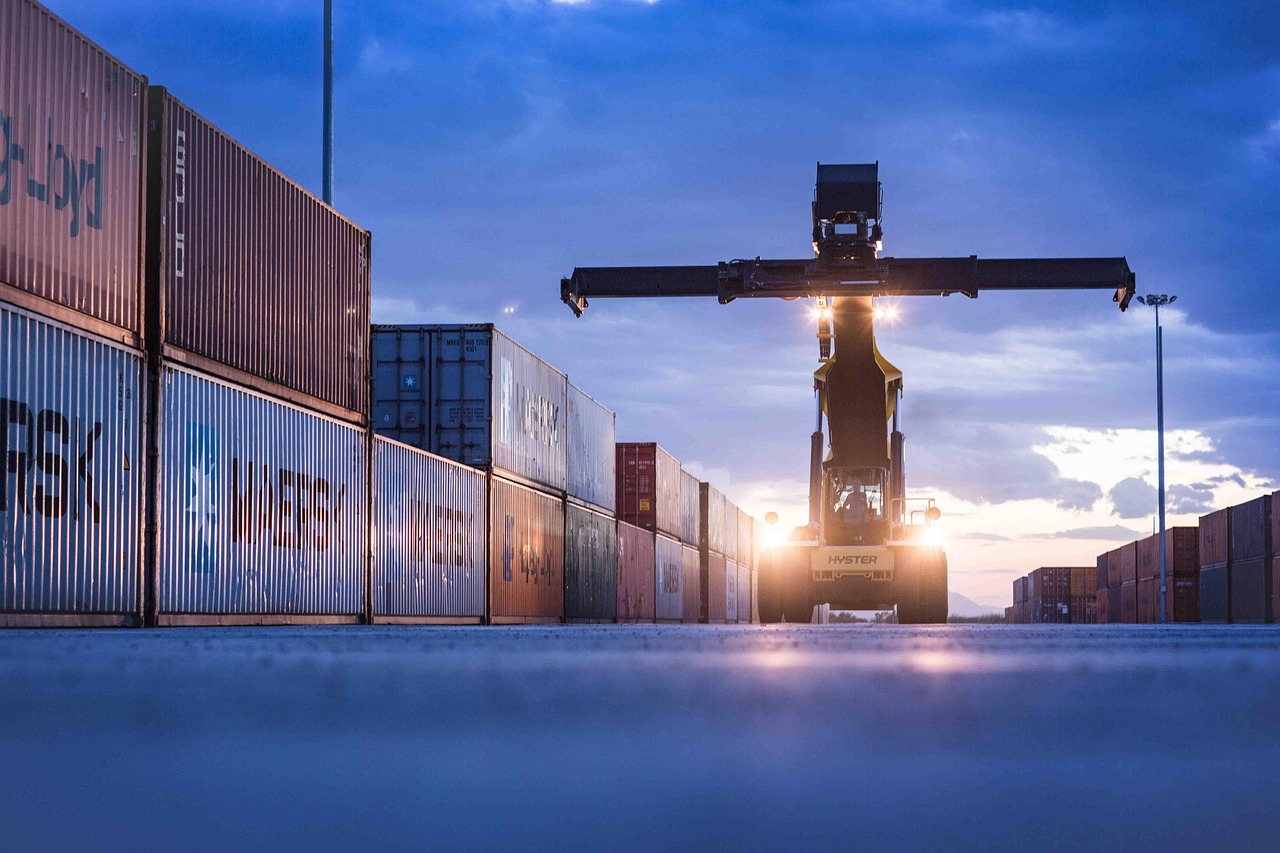
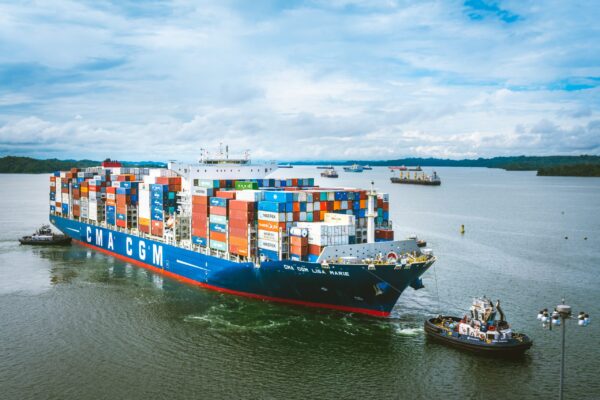
FCL stands for full container load. With FCL shipping, you reserve a container for your shipment instead of sharing its space with other shippers. The container does not have to be completely full. You are paying for its exclusive use, even when some space remains empty. Maersk
For a U.S. importer, planning needs to cover the journey to the receiving warehouse. Decide who will handle customs clearance and whether that warehouse can unload a container before arranging the shipment.
A1 Worldwide Logistics provides ocean freight services for commercial imports and exports, including FCL and LCL shipments, with U.S. customs brokerage and delivery support.
When should you use FCL shipping?
FCL is worth comparing for larger orders and for cargo you want kept separate from other shippers’ goods. It avoids the routine warehouse handling used to combine and separate LCL shipments.
For repeat imports, compare the cost of larger, less frequent orders with the stock your business can use and store. Filling a container may reduce transport costs per unit, but it also means buying and receiving more goods at once. Smaller commercial orders may still be a better fit for the business.
Your delivery location needs consideration early. Find out whether it can accept and unload the proposed container. Where direct container delivery is impractical, discuss unloading at a suitable warehouse and transferring the cargo for onward delivery.
FCL versus LCL: what changes?
LCL means less-than-container load. Your goods travel in a shared container, then are separated from the other shipments at destination. FCL gives your shipment dedicated container space.
| What you are comparing |
FCL shipping |
LCL shipping |
| Container space |
Reserved for your shipment |
Shared with other shippers |
| Freight pricing |
Quoted for the container booking |
Usually based on shipment volume or weight, under the quoted terms |
| Handling |
Avoids routine LCL consolidation and separation |
Cargo is combined at origin and separated at destination |
| Shipment size |
Worth comparing for larger orders or dedicated-space needs |
Often suitable for smaller commercial orders |
The lower-cost option depends on the actual cargo and quotation. Compare both for the same collection point, delivery address, and shipping period, including destination charges.
A quoted volume in cubic meters, or CBM, is a starting point. The packages must also fit the loading arrangement. Non-stackable crates, for example, can leave unused space above them. Ask the forwarder to compare the packed shipment rather than choose FCL from a volume estimate alone.
Choosing a 20-foot, 40-foot, or high-cube container
Start with your supplier’s packing details. Use the dimensions of the finished cartons, crates, or pallets, including their packaging, and the gross cargo weight. Explain whether the packages can be stacked.
For a sense of space, Hapag-Lloyd’s published equipment examples have capacities of about 33 cubic meters for a 20-foot standard container, 68 for a 40-foot standard container, and 76 for a 40-foot high cube. These are internal volumes, not a guarantee that the same volume of packed goods will fit. Equipment specifications vary.
High-cube equipment provides additional height. You still need to check a larger container’s payload limit separately from its volume, along with the allowable weight for the inland journey. For heavy cargo, have the forwarder confirm both the equipment limits and the inland transport plan before booking.
For machinery, the door opening can be the limiting measurement. Compare the packed dimensions with the container’s internal and door dimensions, and explain how you will load the equipment. A load that cannot pass through standard doors may need a different container or loading method. Our guide to shipping oversized cargo internationally covers those decisions.
What does FCL shipping cost?
An FCL quotation should identify the container type, route, and shipping period it covers. It should also state where the forwarder’s responsibility for collection and delivery begins and ends.
Give each forwarder the same shipment details. A port-to-port price and a quote that includes delivery to your warehouse cover different amounts of work.
Use the following breakdown when reviewing a quotation:
| Part of the shipment |
What to establish |
| Origin arrangements |
Whether the price includes empty-container collection, loading, export handling, and transport to the departure terminal |
| Ocean freight |
The container type, route, included surcharges, and rate-validity period |
| Destination charges |
Which carrier, terminal, and documentation charges are included |
| U.S. customs work |
The brokerage and ISF fees, any required bond arrangements, and estimated duties and government fees |
| Warehouse delivery |
Container trucking, chassis charges, allowed unloading time, and empty-container return |
The quote should also explain what is excluded. Ask how inspection-related handling, extended storage, or extra waiting time would be charged, rather than assuming the base price covers them.
Customs duties should appear separately from transport and brokerage fees. Also identify any cargo insurance so you know whether coverage is included and what it excludes.
Include the shipping term agreed with your supplier, together with the named place, when requesting a quote. Explain what the supplier has already booked so the forwarder can price the services you still need.
Loading the container and preparing for departure
Before booking a sailing, agree who will arrange the empty container and who will load it. The packing team needs a workable plan for placing and securing the cargo, not simply a total CBM figure. The loading date must also fit the departure terminal’s receiving window and the booking’s document deadlines.
A packed container needs a verified gross mass, or VGM, before loading onto a vessel covered by the relevant Safety of Life at Sea, or SOLAS, rules. This includes the container’s own weight and the cargo, packaging, and securing materials inside it. Under the International Maritime Organization’s VGM requirements, the shipper must provide the verified weight in time for vessel planning. Agree on who will obtain and submit it for your booking.
The VGM deadline and the U.S. customs filing deadlines serve different purposes. Address both before departure.
U.S. customs preparation for an FCL shipment
Bring the customs broker into the shipment before the container is loaded overseas. This gives the broker time to review the goods and arrange the required filings before arrival.
Importer Security Filing comes before loading
For a standard containerized shipment imported into the United States, you must submit eight Importer Security Filing data elements no later than 24 hours before loading at the foreign port. The container stuffing location and consolidator details are due as early as possible, no later than 24 hours before U.S. arrival. For voyages shorter than 24 hours, those two details are due upon loading. Certain other elements can initially use the best available information, with updates required under the rule. These deadlines are set out in 19 CFR Part 149. eCFR
Agree who is filing the ISF and send the information early. An accepted ISF does not clear the goods through Customs; the customs entry still needs to be handled. A1’s ISF filing guide explains the filing in more detail.
Prepare the invoice and shipment documents
The broker will normally need the commercial invoice, packing list, and bill of lading information. Additional documents depend on the goods and the agencies responsible for them. U.S. entry documentation requirements provide for shipment-specific documentation as well as the main entry records.
The invoice should clearly identify the products for customs review. A description such as “parts” may need further detail about what the items are. You also need to establish the country of origin, rather than assume it from the supplier’s address or departure port.
A1’s U.S. customs brokerage team can assist with classification, entry filing, and customs clearance. Tell the team whether you expect to import once or regularly so they can discuss brokerage arrangements for your business.
How long does FCL shipping take?
The route and sailing schedule determine ocean transit time. The full delivery timeline also needs to allow for loading at origin and the work after the vessel arrives. FCL avoids the normal LCL consolidation stages, but a booking is not a guarantee of immediate departure or delivery on the vessel’s arrival date.
For planning purposes, ask for both the expected vessel arrival and an estimated warehouse-delivery window. Tell the forwarder your required delivery date, particularly when the goods are needed for production or a scheduled installation.
What happens after the container reaches the U.S.?
For delivery following U.S. import clearance, the container needs both customs release and carrier release. The carrier may still require payment or shipping documents even after the customs work is complete. Confirm terminal availability and any required pickup appointment before dispatching a truck.
For direct delivery, agree the unloading arrangement with your warehouse. Will the team unload while the driver waits, or does the container need to be left on site and collected later? The delivery quote should reflect that arrangement and identify charges for exceeding the allowed time.
Our guide to what happens when your container reaches the port explains the arrival and delivery stages in more detail.
Free time and empty-container return
Track both the last free day for collection and the deadline for returning the empty container. Ask how free time is calculated for your booking rather than assuming a fixed number of days.
A container left at a marine terminal beyond its free time can incur demurrage. Detention concerns extended use of the carrier’s equipment, commonly after pickup and before empty return. Confirm the applicable allowance and charges for your shipment.
For a carrier-owned container, agree who will arrange the empty return and confirm the accepted return location. Keep the return receipt. If the trucker can’t get an appointment or the depot will not accept the equipment, document the issue and contact the responsible parties promptly.
Arrange an FCL shipment with A1 Worldwide Logistics
A1 handles commercial ocean freight, including full-container shipments, with customs brokerage and delivery support. Contact A1 Worldwide Logistics to discuss your cargo and request a quote.
Send the supplier’s packing details, collection location, and U.S. delivery address, along with the expected cargo-ready date. Tell us how often you expect to import and whether you need customs clearance.
If the supplier has already booked the freight, share the booking information and expected arrival date. We can discuss the U.S. services you still need.
Regulatory note: Reviewed October 7, 2026, against the available eCFR, International Maritime Organization, and Federal Maritime Commission sources cited above. The ISF regulation retrieved was marked current through September 14, 2026. This is general guidance, not legal advice. Confirm product-specific import requirements and the terms of the freight booking for each shipment.