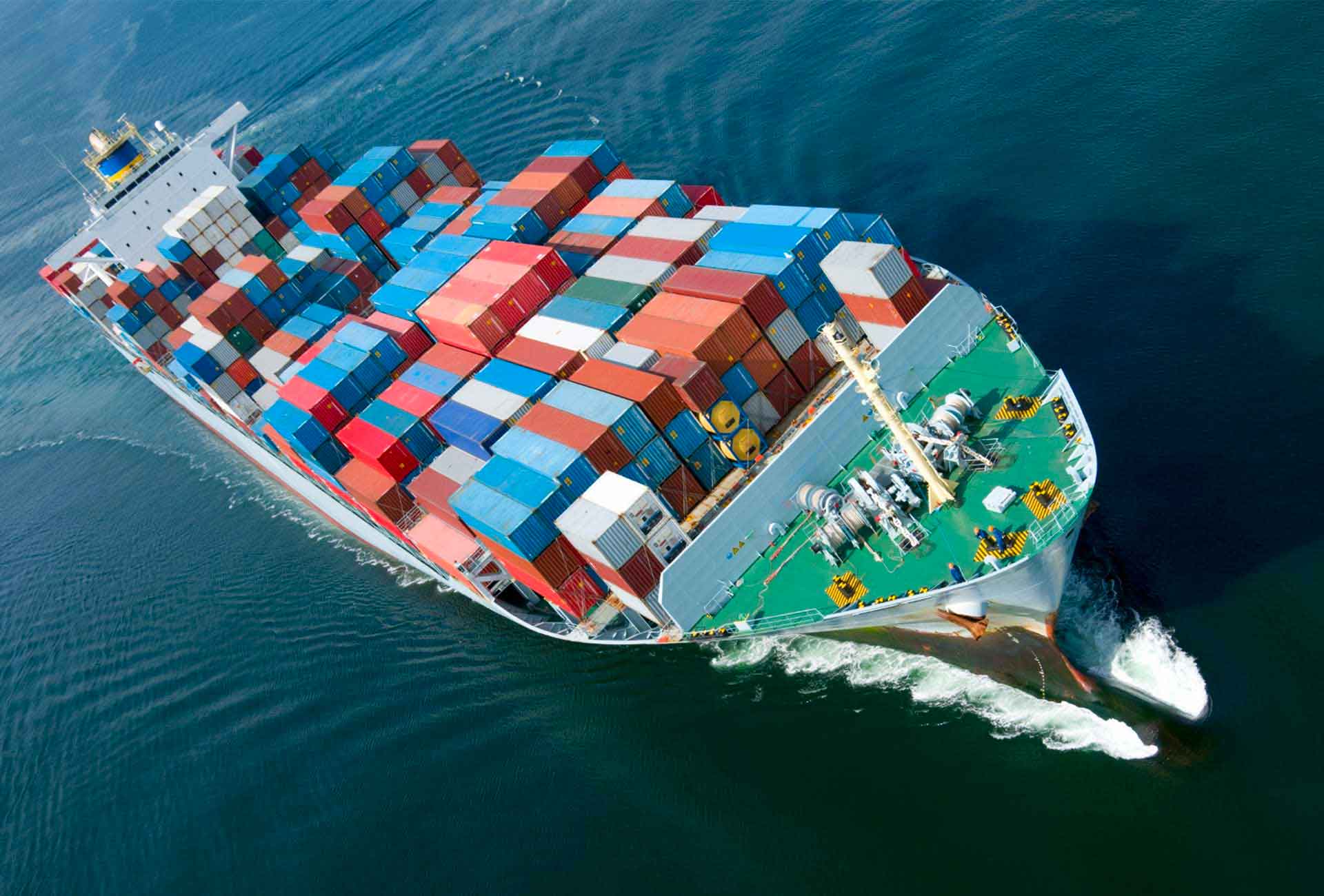
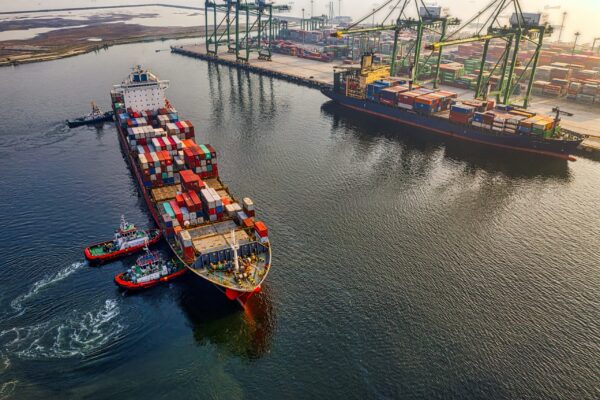
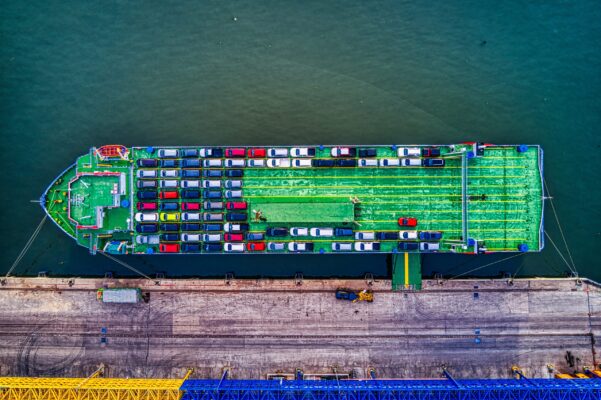
Transportar mercancías a nivel internacional puede implicar procesos muy diferentes según el tipo de carga que se necesite movilizar. Enviar una caja al extranjero mediante una empresa de mensajería es un proceso. Trasladar pallets, maquinaria, un contenedor...
DDP stands for Delivered Duty Paid. Under this shipping term, the seller arranges transportation to the agreed destination and handles export and import clearance, including the applicable import duties and taxes. The goods are delivered to the buyer ready for...
CIF and FOB are shipping terms that define the buyer’s and seller’s responsibilities. Under CIF, the seller arranges and pays for ocean freight and cargo insurance to the named destination port. Under FOB, the buyer arranges and pays for the main ocean journey, and...
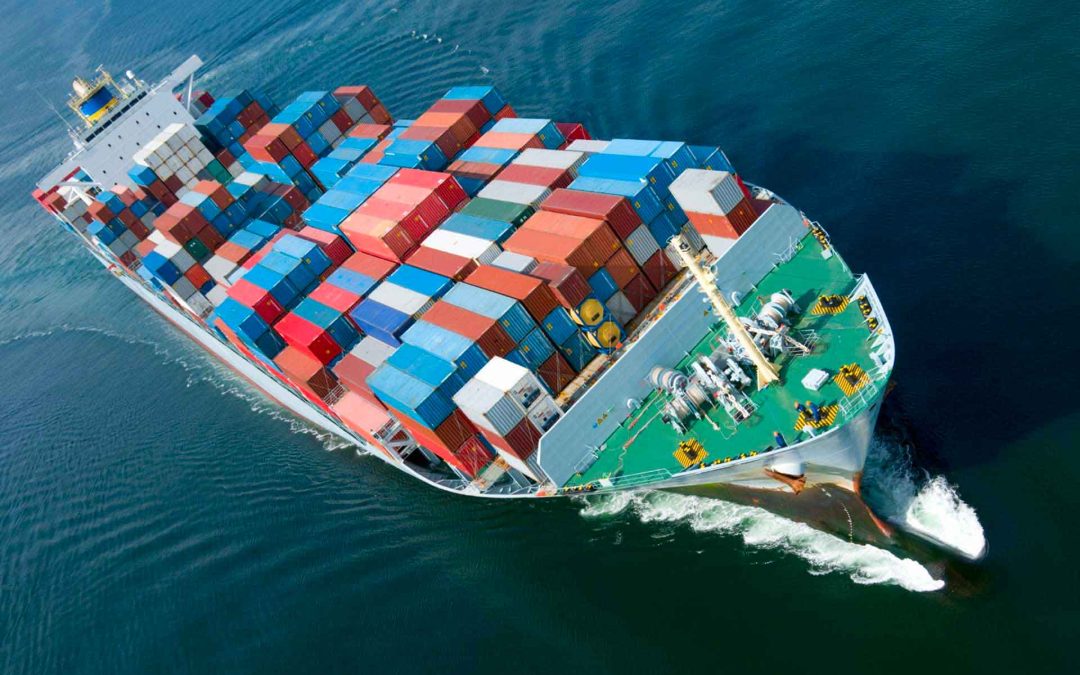
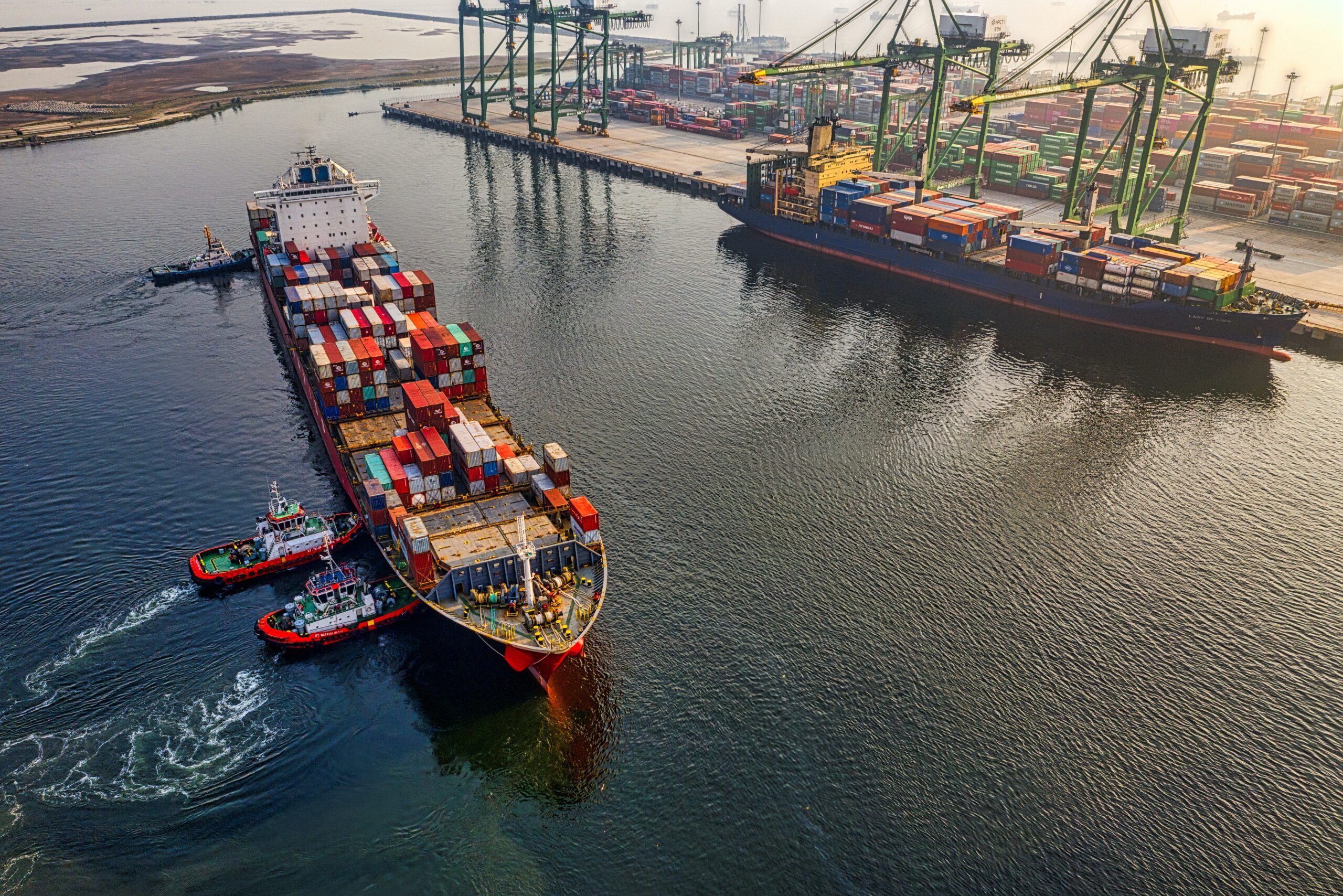
Ocean freight, also called sea freight, is the transportation of goods by ship. Businesses use it to move commercial cargo between countries, from a few pallets in a shared container to full-container orders and oversized equipment. For a U.S. import, the shipment...
What is FSVP? Everything You Need to Know
Share This Article
What is FSVP?
FSVP is the international trade law that has been passed under the Food Safety Modernization Act (FSMA, read more about it here.) FSVP is known as the Foreign Supplier Verification Program. This is a set of programs that are in place to validate and verify that our food safety standards are being upheld.
The purpose of FSMA is to put as many preventative measures between infected food and consumers as possible. With expansions already in place for food production and food growers, the next focus is on importers, which is where FSVP comes in.
What Kind of Imports are Affected?
Food exclusively. If you are a food importer with the intention of reselling the products, you will have to abide by FSVP standards.
How does it affect my Job?
As an Importer, the rules of your job are now expanded. You now have two additional tasks that need to be obeyed.
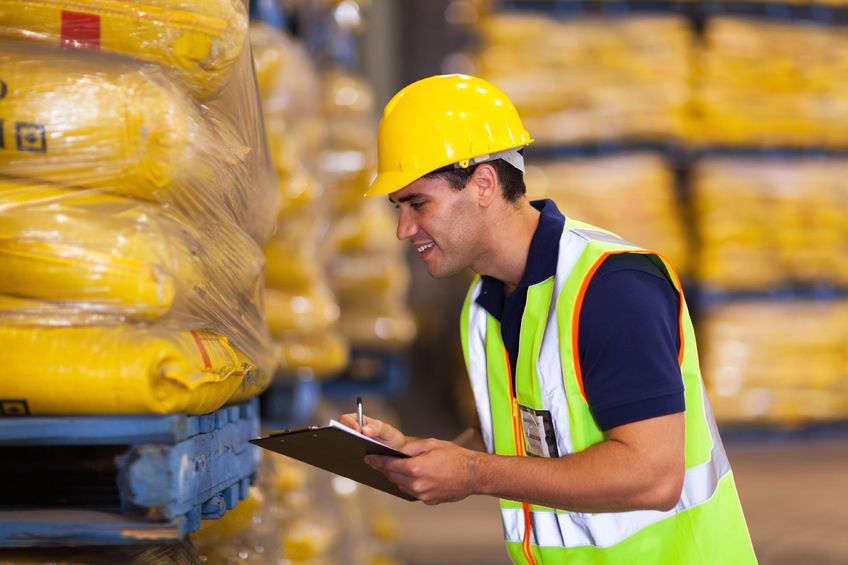
You must be Food Safety Ready – The concept behind FSVP is that warehouses, where food comes in, should be held to the same standards as restaurants and supermarkets. You must now follow similar food safety rules. For Example, in New York, it is required that all food surfaces and storage spaces be at least 6 inches off the ground at all times, New York Warehouses must now abide by this law as well.
Your Overseas Partners are Food Safe – Once you have declared your warehouse ‘food, safe, and ready,’ you must now begin vouching for your importers. You are required to inspect the delivery methods and the state of the food when it enters your warehouse and communicate this information to the FDA and your trade partners.
A1WWL
If you are finding it difficult trying to determine if you need to be FSVP compliant or if you are having trouble becoming FSVP compliant, give us a call. We are working closely with the government to ensure that your imports are affected as little as possible, and we can help you out! Call us today!
Descubra cómo elegir una empresa de transporte internacional de mercancías, comparar opciones aéreas y marítimas, preparar documentos y calcular costos logísticos.
DDP stands for Delivered Duty Paid. Under this shipping term, the seller arranges transportation to the agreed destination and handles export and import clearance, including the applicable import duties and taxes. The goods are delivered to the buyer ready for...
CIF and FOB are shipping terms that define the buyer’s and seller’s responsibilities. Under CIF, the seller arranges and pays for ocean freight and cargo insurance to the named destination port. Under FOB, the buyer arranges and pays for the main ocean journey, and...
Ocean freight, also called sea freight, is the transportation of goods by ship. Businesses use it to move commercial cargo between countries, from a few pallets in a shared container to full-container orders and oversized equipment. For a U.S. import, the shipment...
LCL shipping, short for less than container load, lets your business move ocean freight in a container shared with other shippers. You book space for your cargo instead of reserving a whole container. For a business importing a few pallets at a time, that can make...

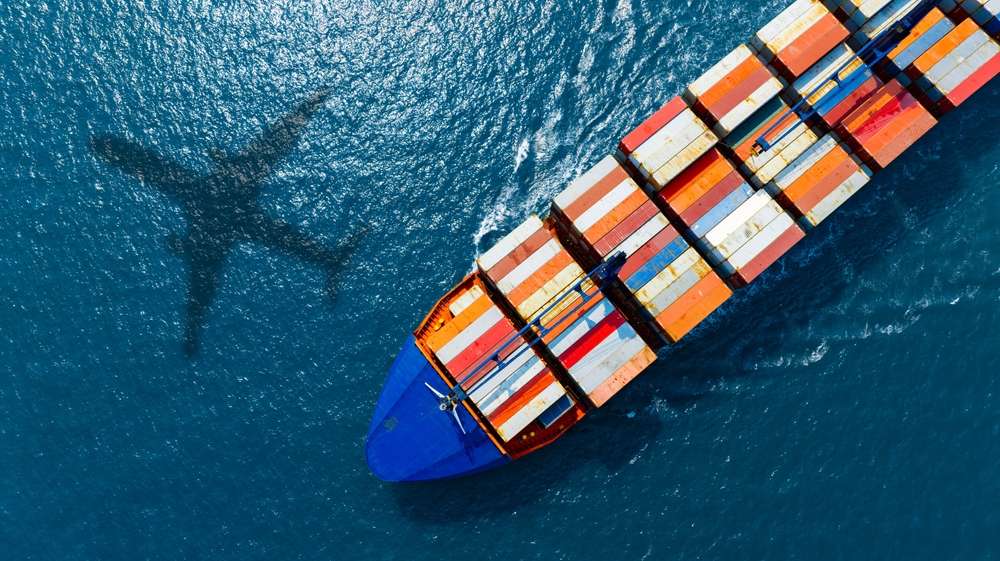
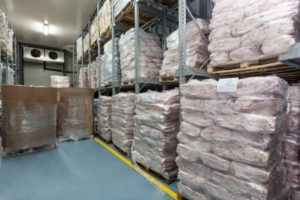 FSVP is the international trade law that has been passed under the Food Safety Modernization Act (FSMA, read more about it here.) FSVP is known as the Foreign Supplier Verification Program. This is a set of programs that are in place to validate and verify that our food safety standards are being upheld.
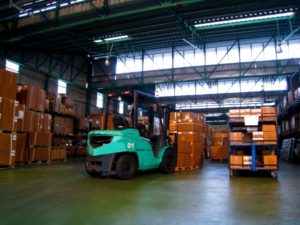 You must be Food Safety Ready – The concept behind FSVP is that warehouses, where food comes in, should be held to the same standards as restaurants and supermarkets. You must now follow similar food safety rules. For Example, in New York, it is required that all food surfaces and storage spaces be at least 6 inches off the ground at all times, New York Warehouses must now abide by this law as well.