Optimizing Supply Chain Logistics
Worldwide shipping costs continue to rise and companies are now looking at ways to optimize their supply chain logistics to protect against these costs.
Why are Shipping Costs Rising
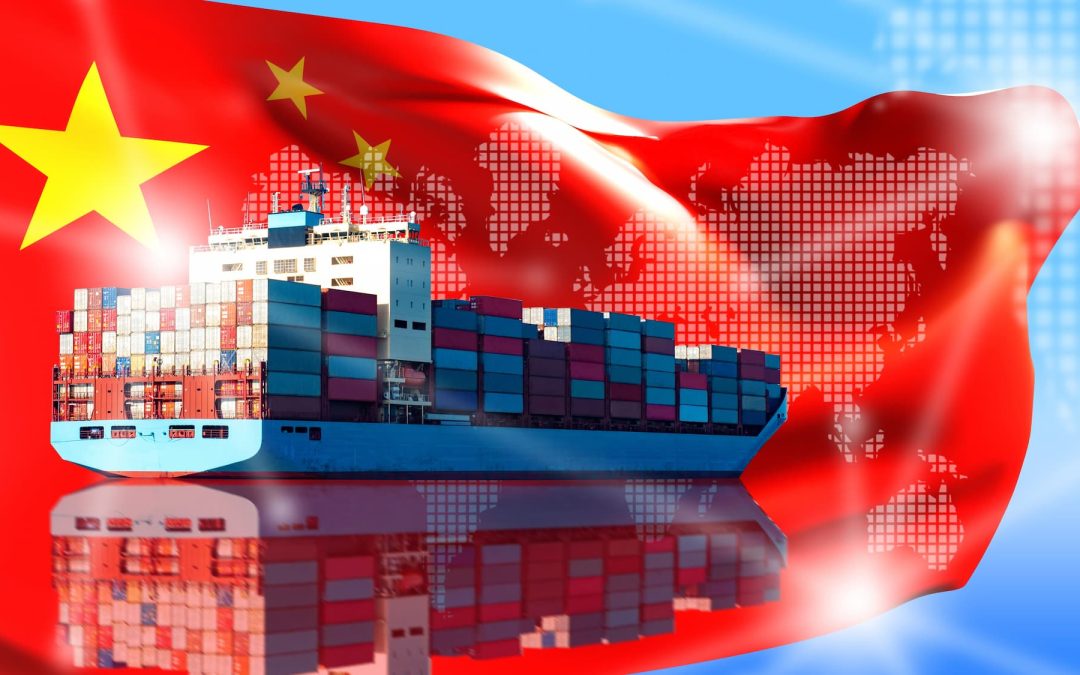
Different reasons such as e-commerce demand, port congestion, and containers shortages are leading to a rise in freight costs. The coronavirus pandemic created a reliance on e-commerce which created a demand for freight to be shipped internationally. With an increase in global shipments, the capacity for different types of shipments became tight. Conveyances such as air shipping, ocean shipping, and even trucking experience an increase in volume. This led to carriers increasing their costs for space.
The shipping price for ocean containers rose drastically over this year. The global average to ship a 40ft container rose to over $8000 this year alone. This is more than 4 times the amount it was last year. There has also been a shortage in container production, adding to the increase in container costs. Companies and retailers that move goods globally are becoming more aware of the transportation costs and are adjusting the logistics of their supply chains to prepare. Here we will explain how companies are lowering their supply chain costs.
How are Companies Optimizing Their Supply Chains
Having Enough Inventory – With a large amount of congestion currently present in ports around the world, retailers are preparing their supply chains beforehand. The backlogs in seaports mean that freight ordered right now could take weeks longer to get to the customer compared to if the freight was ordered a few months ago. The inventory may have to be ordered in advance and be core products. These are products that are the most popular with the customers and tend to run out the inventory the quickest.
Bringing Fewer Products into the Market – Instead of introducing new products into the market, companies are having a greater focus on current core products. This can help increase revenue while lowering costs. The profit that may come from a new product may be less than the potential profit generated from an existing core popular product. Also, the supply chain expenses that go towards launching that product may be high.
Revising Contracts – Certain companies are negotiating with their shippers to change the terms of their contracts. This could mean changing the contract to ship only a certain volume of freight at a time to benefit the company. Negotiating contracts may be harder to do if the shipper is a larger company like FedEx.
Understanding your Various Costs – Since supply chains are usually different pieces working together there can be different costs involved. This can range from production costs to investment costs and even transportation costs. Companies are looking at their budgets and analyzing where their expenses are going in their supply chains. Unnecessary expenses can be cut and used for other means.
A1 Worldwide Logistics
Rising shipping costs may seem alarming to companies and individuals planning to move their freight globally. However, knowing what to expect is essential in protecting you or your companies supply chain when shipping. Hiring a good freight forwarder is a way to do so. A freight forwarder is an agent that coordinates the shipment of goods from point A to point Z. Forwarders help clients understand the shipping industry and moves the freight for them. If you are planning to move goods or need help with the logistics of any part of your company’s supply chain, contact us at a1wwl.com. Our trained forwarders are here to guide you through the entire shipping process until it reaches the final destination.