
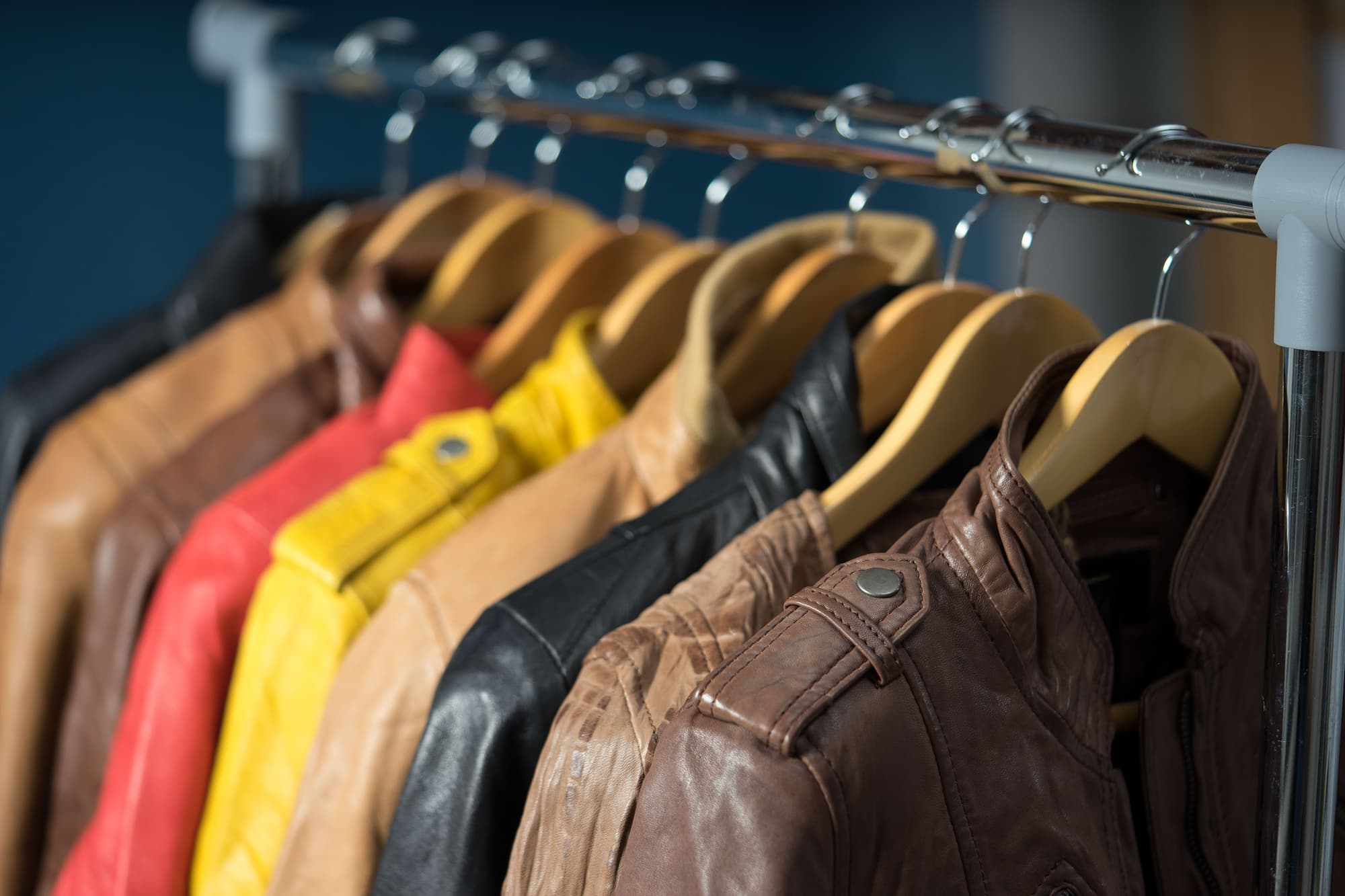
Importing Clothes into the United States
Yearly, the United States imports over $80 billion in clothing and other apparel. Given its vital role, bringing clothes into the U.S. can be an exciting opportunity for shippers. Knowing what to expect can save time and money, whether you are importing for a business or as an individual. This article provides a basic understanding of the import requirements. However, contact a customs broker for more information.
Before beginning the import process, it is crucial to research the rules, regulations, and tariffs applicable to the import. Certain types of clothing are illegal to bring into the United States. An example could be cotton apparel or textiles grown in Xinjiang, China. Various government agencies also work in conjunction with U.S. Customs and Border Protection (CBP) to enforce import regulations. Some examples of these agencies are:
- Environmental Protection Agency (EPA): Enforces regulations on the import of dyed and coated clothing.
- Federal Trade Commission (FTC): Enforces regulations on labeling imports and ensures that the correct labeling is on them.
- Consumer Protection Safety Commission (CPSC): Enforces regulations for the flammability of clothing imports.
Some of the Requirements
When any clothing enters the U.S., it must have proper labeling. According to the FTC, the correct labeling should include the fiber composition, country of origin, manufacturer, etc. The FTC also implements a Care Labeling Rule requiring clothing imports to carry a label with care instructions. The importation of wedding gowns may also follow different labeling rules than regular clothing. Wedding gowns must have at least one safe cleaning method and the applicable warnings of that method.
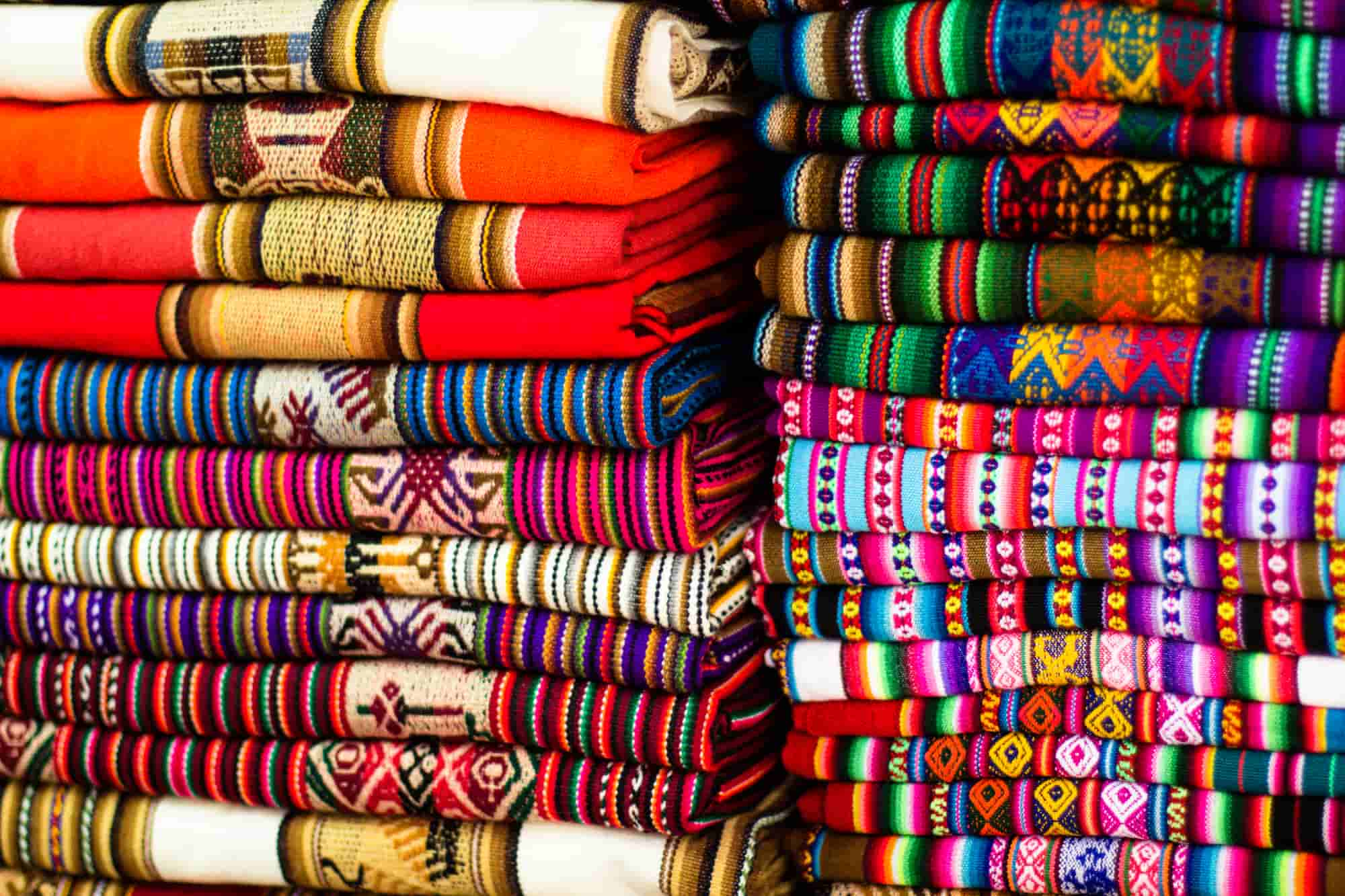
When goods are imported into a country, they are subjected to tariffs and duties, and clothes are no exception. The duties must be paid to CBP before the importer can obtain their cargo. A person importing clothes into the U.S. needs to know the HTS code associated with their freight. An HTS (Harmonized Tariff System) code is used by the government to classify imports and determine the associated duties. Having the wrong HTS code may lead to a penalty and loss of the freight.
One of an importer’s essential preparations is having the correct paperwork ready. You cannot receive your shipment unless the documents are in the hands of customs. A few examples of typical documents are the bill of lading, certificate of origin, and commercial invoice. A simple way to ensure that you have the correct import documents is by hiring a customs broker. Customs brokers are individuals who specialize in the regulations and laws of the customs clearance process. They help with getting imported goods through customs.
How to Get Started
Importing clothes into the United States may not be easy, especially if it’s your first time. While intricate, you can simplify the importation process by contacting a freight forwarder and a customs broker. Freight forwarders organize the importer’s shipment and coordinate with the carrier to move the freight. Customs brokers are intermediaries between the importer and the U.S. Customs and Borders Protection (CBP). They submit the necessary documents and payments to the CBP on behalf of the importer. A1 Worldwide Logistics has these services and much more. Contact us at 305-821-8995 for a quote and get started on your shipment.
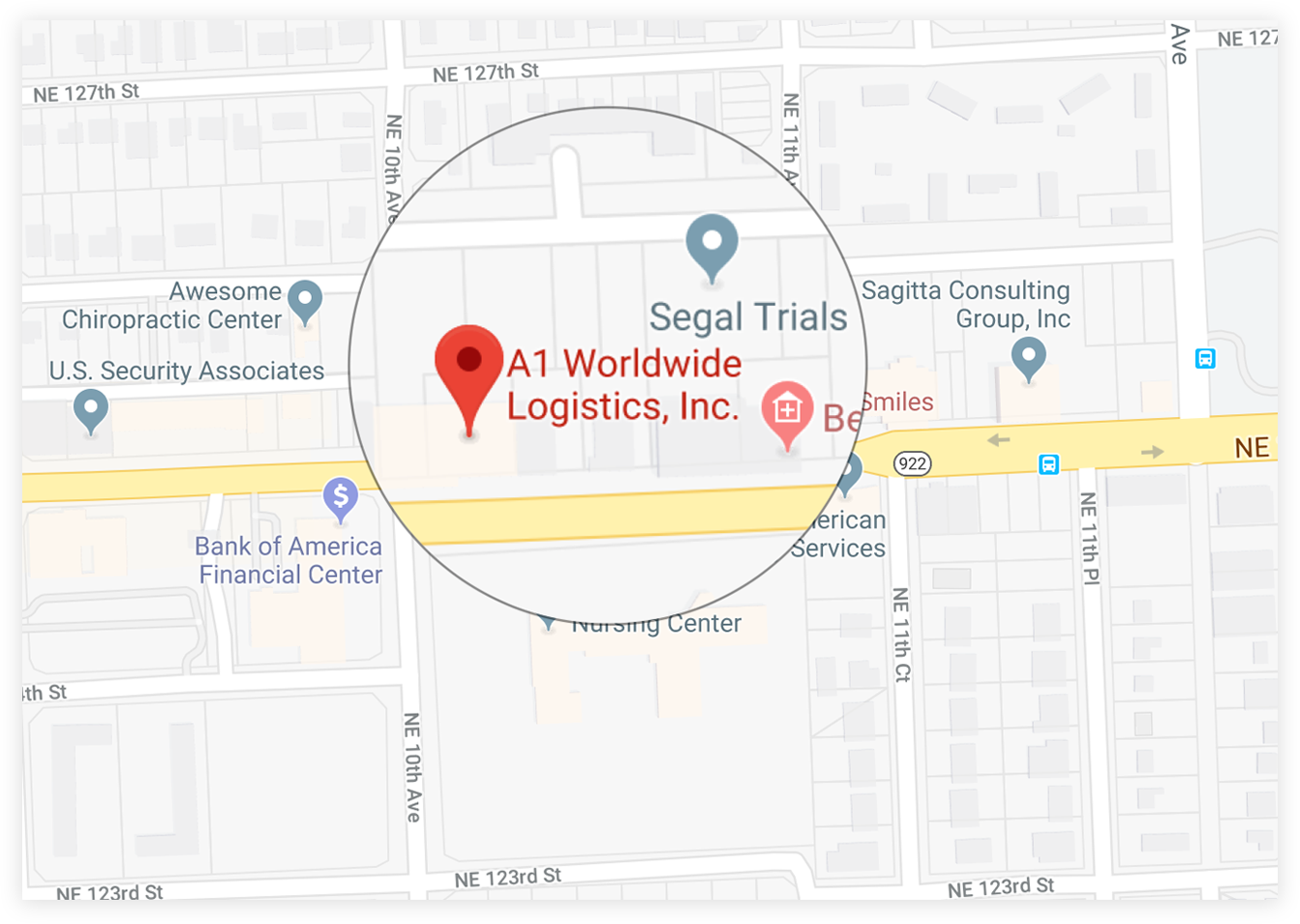
 1035 NE 125th St Suite #320, North Miami, FL 33161.
 a1worldwidelogistics.com
 (305) 821-8995
 Hours: 8AM - 5PM