Customs Clearance, Importing, Shipping Logistics

Importing Machinery Into The US

What can you expect when importing machinery into the US?
Share Article in Social Media

Despite its use across industries, there are several aspects shippers should understand when importing machinery into the US. CBP defines machinery as mechanical equipment that performs a specific function, including equipment used in commercial, industrial, and agricultural operations. Machines also have moving parts to produce, process, or transport goods. Examples include construction equipment, robotics, and electric generators. Cargo such as raw materials, hand tools, and individual spare parts is not classified as machinery by CBP. Due to the number of items that shippers can classify as machines, importing these goods may sometimes be challenging. This article explains the importation process for machines like heavy equipment and what to expect when starting.

What Should You Know Before Importing Machinery Into The US

When deciding whether to import, it is essential to understand the type of machinery you are bringing in. Laws and regulations for importing can vary by machine type. For example, food and medical devices may be subject to additional rules from the FDA (Food and Drug Administration). Used equipment may also be subject to additional requirements, such as EPA emissions compliance and USDA cleaning requirements. It is vital that the shipper properly cleans used machines and declares them as used. The importer should also ensure the correct HTS code is used, with most machines falling under HES chapters 84 (Mechanical Machinery) and 85 (Electrical Machinery).

The HTS (Harmonized Tariff Schedule) is the classification schedule the US uses to impose duties on imports. Contacting a customs broker can be an ideal way to ensure that you have the correct classification. You should also be aware of additional taxes that you may have to pay. Some include Section 301 tariffs, which are common for China-origin machinery, and Section 232 tariffs on steel and aluminum content. Another essential consideration before importing machines is ensuring you have the correct paperwork. Examples of required documentation include:

  • Bill of Lading
  • Commercial Invoice
  • Packing List
  • Arrival Notice
  • DOT or EPA forms for specific machinery

The importer should also submit an ISF (Importer Security Filing) at least 24 hours before loading an ocean shipment for a vessel bound for the US.

What Is The Process?

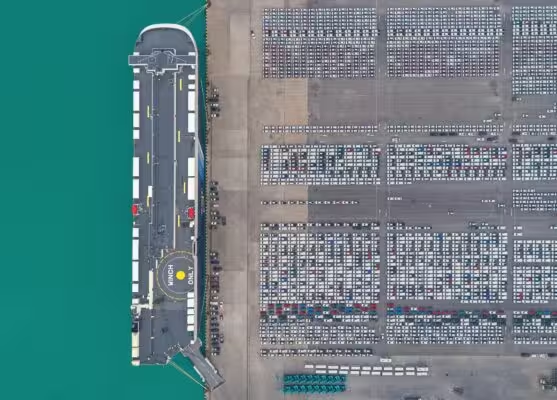
When you are ready to import the cargo, it is essential to have the appropriate mode of transport. This can include the ocean, the air, or the land. The mode of transport may affect how long it takes for the shipment to reach the US. For example, air shipping typically takes 5-10 days, while sea shipping takes 20-45 days. You should also determine how you will ship the machine, for example, crated, containerized, ro-ro, etc. When the cargo arrives in the US, CBP will inspect it to verify compliance before releasing it. Providing incorrect documentation can lead to financial penalties and customs seizing the cargo. Once the cargo clears customs, you can contact a freight broker to arrange delivery to the final destination.

While this article explains the process for importing machinery into the US, disruptions can still occur. In turn, this may lead to delays, financial losses, and cargo losses. An ideal way to ensure a successful import is by coordinating with a customs brokerage like A1 Worldwide Logistics. Brokers are licensed individuals or corporations that arrange customs clearance for imports on behalf of the importer. In the US, they ensure compliance with CBP (Customs and Border Protection) regulations. Brokers achieve this by offering solutions like calculating duties, providing documentation, filing entries, and more. Speak to our brokers at info@a1wwl.com or 305-425-9456 to begin importing machinery and other cargo into the US.

You Might Also Like

Leave a Reply

Your email address will not be published. Required fields are marked *