Iran May Close The Strait of Hormuz
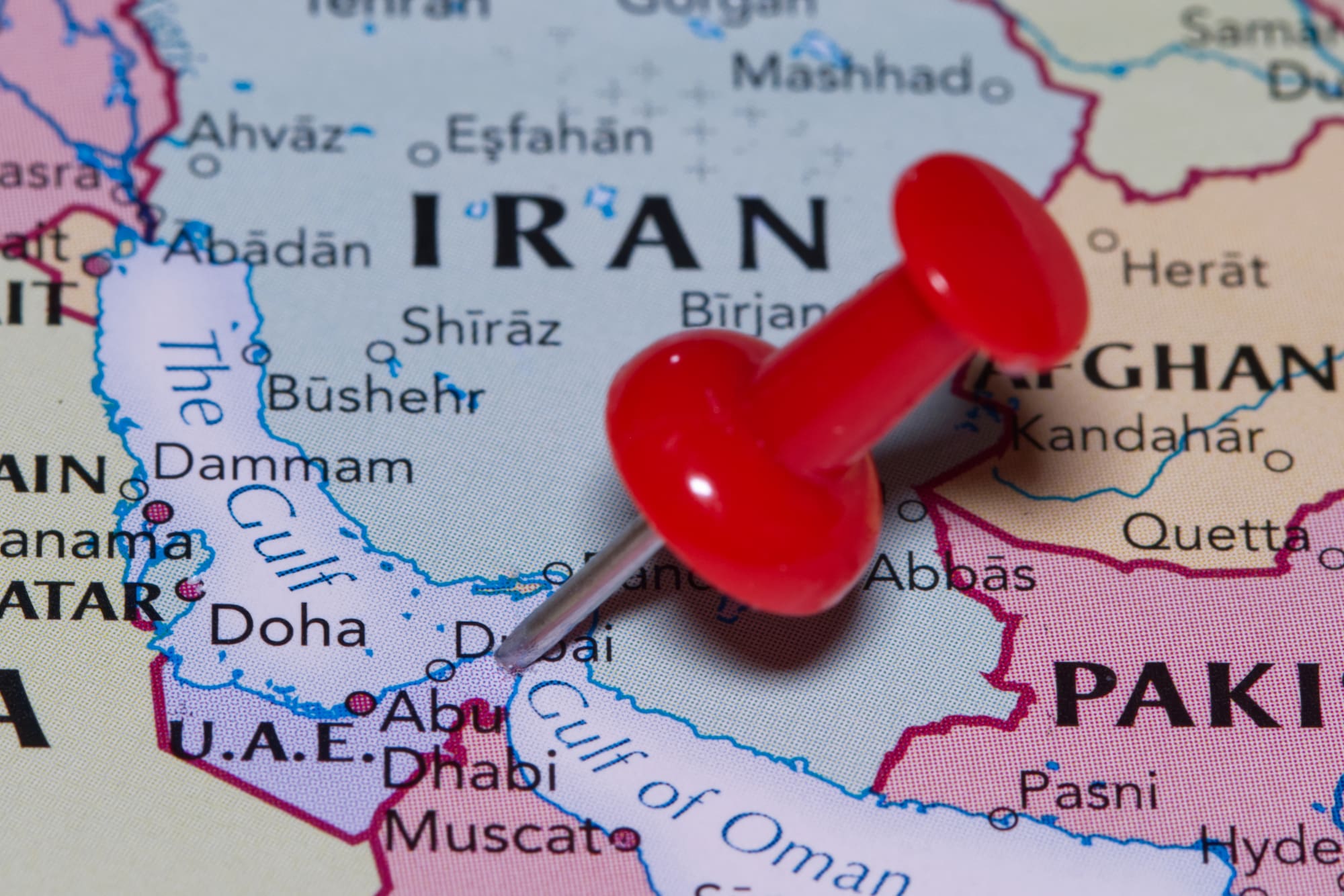
As tensions continue in the Israel-Iran conflict, there have been talks that Iran may close the Strait of Hormuz. The Strait of Hormuz is a key waterway for the shipping of oil and gas. Nearly 20% of the world’s liquefied Natural gas and a quarter of the world’s oil pass through yearly. Shippers from numerous countries use it as a shortcut for oil importing and exporting. On June 22, the Iranian Parliament voted to close the Strait due to US airstrikes. Despite the vote, the Strait remains open, with Iran’s Supreme National Security Council to make the final decision. As the waterway is a central trade lane in international shipping, its closure could have significant global consequences.
Why Iran May Close The Strait of Hormuz, And What Can This Mean For Shipping?
Israel and Iran have been in tension and have been in conflict for decades following the 1979 Iranian revolution. The conflict escalated into a war on June 13 when Israel launched a surprise attack on Iranian nuclear facilities. As the war persisted, the Iranian Parliament voted to close the Strait of Hormuz in response to military strikes from Israel and the US. This is a common counterattack that Iran does when the US imposes sanctions limiting Iran’s oil exports. Despite threats, maritime experts believe that closing the passage is unlikely due to the impact it will have on Iran. Closure would harm relations with various trading partners, including China, which receives the majority of Iran’s oil.
Due to the large amount of oil that passes through annually, the closure of the passage would hurt global trade. The price of a barrel of oil would immediately skyrocket from its current level of around $75 to nearly $120. Higher prices could impact the cost of shipping internationally, which may be passed on to customers. With the waterway being a shortcut for shippers, closure could result in a rerouting through the Cape of Good Hope. This would add weeks to deliveries and further increase the costs. The added time may also lead to supply shortages for industries that depend on the Strait for gas and oil.
What Is The Global Response?
A closure of the Strait of Hormuz would have an immediate response from Iran’s largest trade partners. There could be an immediate military reaction from the US. US Secretary of State Marco Rubio noted, “It’s economic suicide for them if they do it. And we retain options to deal with that.” Economies from countries such as China, India, and the European Union (EU) would also experience strong ripple effects. China’s Foreign Ministry spokesperson, Guo Jiakin, described China’s request for other countries to step up de-escalation efforts. Other trading partners expressed concern that closure would not be suitable for all parties involved, including Iran.
While the current conflict can seem daunting, it should not stop you from transporting your cargo globally. The shipper should, however, take the proper steps to protect their cargo. An ideal way to prepare is to speak with a freight forwarder. Forwarders serve as intermediaries between the shipper and the carrier, coordinating cargo movement on behalf of the shipper. They achieve this by offering numerous solutions, including providing paperwork, finding international and domestic carriers, warehousing, negotiating rates, and more. Forwarders also negotiate the best course of action to take for protecting your shipment during situations like conflict. Reach A1 Worldwide Logistics at info@a1wwl.com or 305-425-9752 to speak with our forwarders about shipping anywhere internationally.