Shipping During the Peak Season
As August rolls around, it is essential to understand what to expect when shipping during the peak season. The peak season is a time when the demand to ship cargo surges. In the US, it usually starts around mid-August and goes to the end of Autumn. Scenarios like the back-to-school rush and stocking up for the holidays happen during this time. In particular, ocean freight in the Trans-Pacific and Asia-Europe trade lanes has a significantly high traffic volume. Due to the high demand for shipping, shippers can face various challenges during peak season. This article will explain what happens during this period and how to protect your shipment.
What Can You Expect When Shipping During The Peak Season?
Due to the high demand for shipping, shippers can face various disruptions during the peak season, including higher shipping costs. As the freight rates rise as the demand to ship cargo internationally rises, so can the freight rates. Carriers also implement other fees like PSSs (Peak Season Surcharges) and GRIs (General Rate Increases) to compensate. Another challenge from shippers importing and exporting higher cargo volumes is capacity constraints. When the number of shipments increases, carriers can rapidly reach full capacity. Overcapacity can result in overbooking and lead to ships rolling the freight to a later sailing. Being forced to wait longer to ship can be detrimental if the shipper has customers expecting their goods promptly.
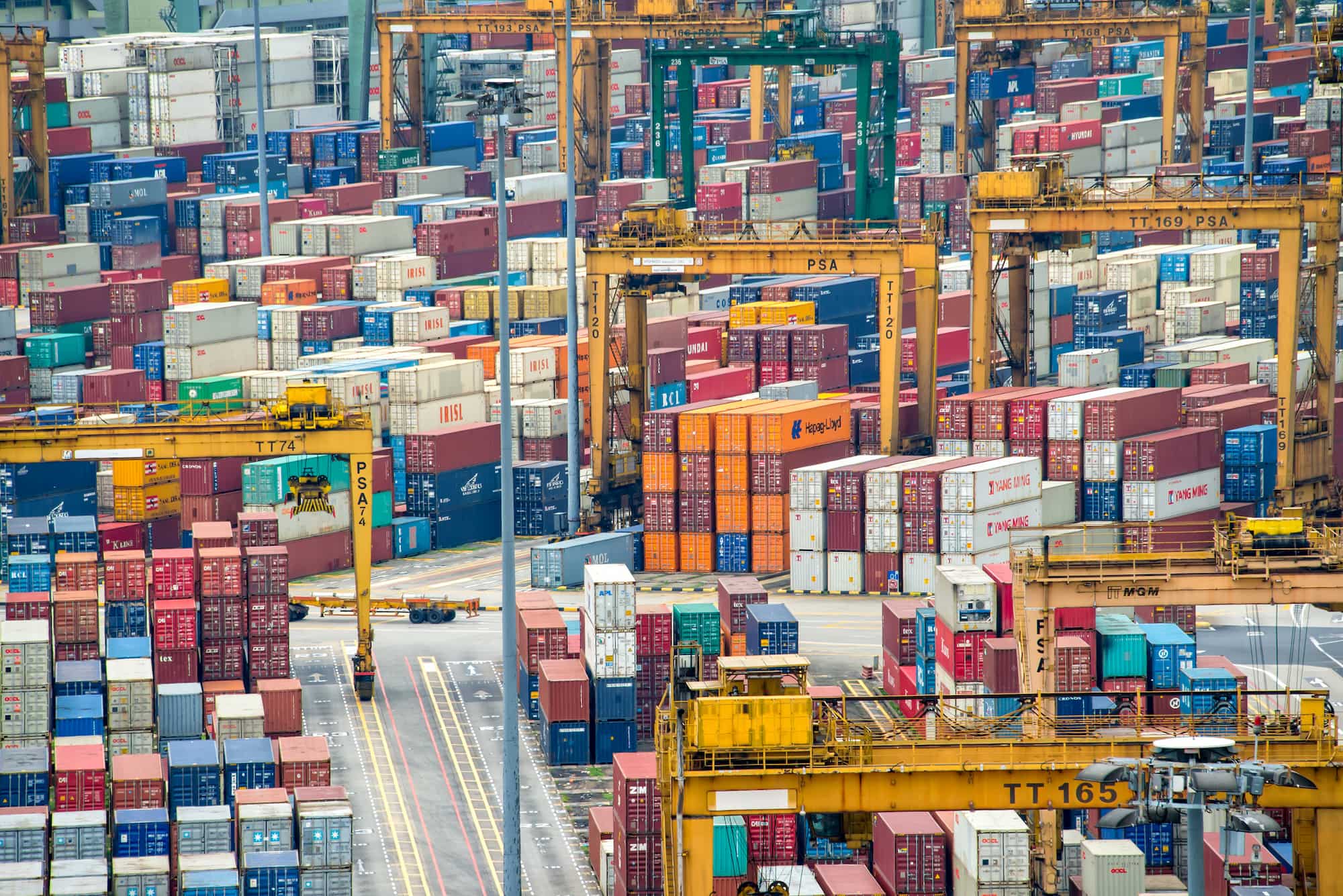
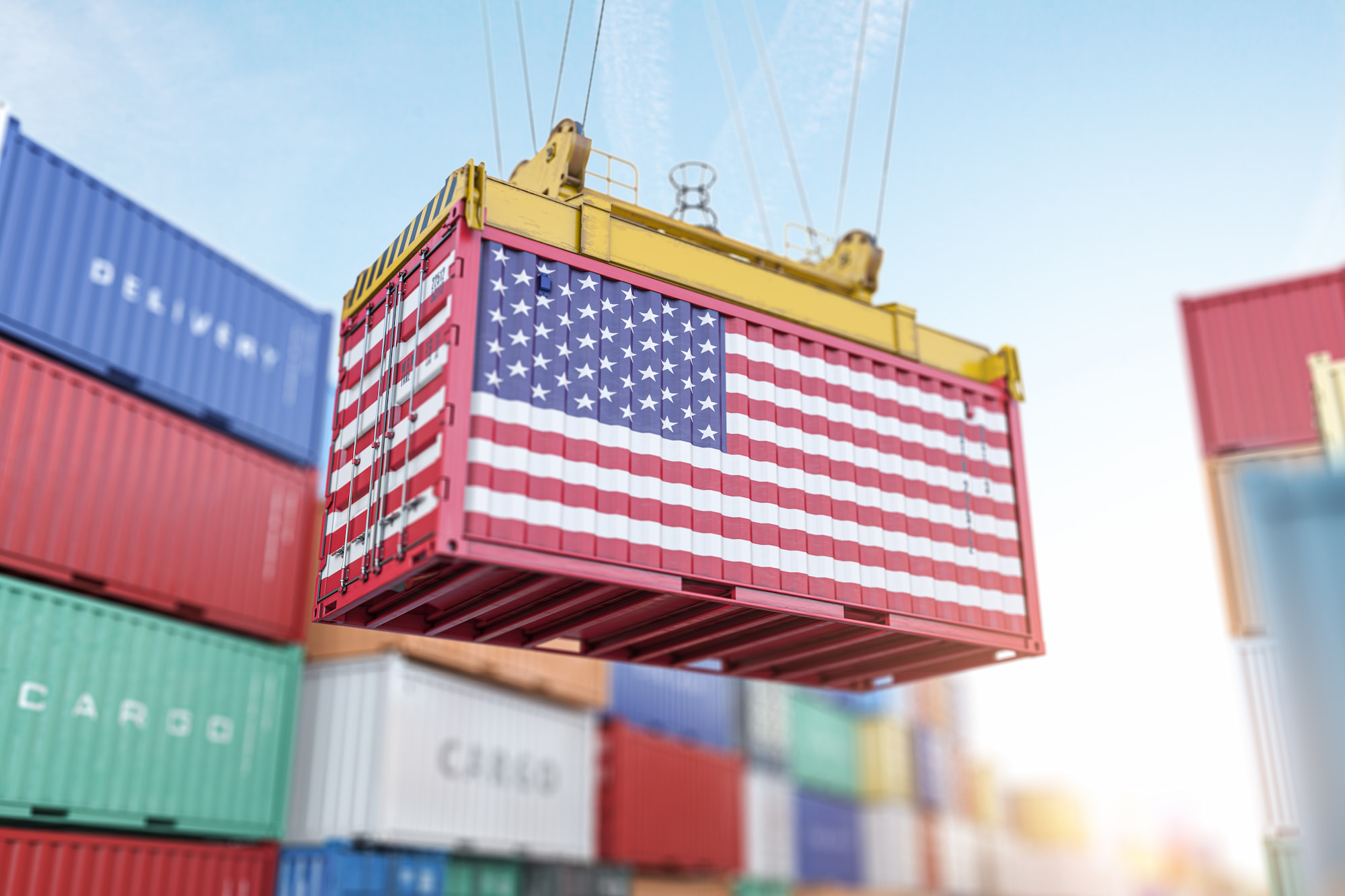
Delays can also result from port congestion caused by a high volume of imports. As the containers entering the port begin to surge, wait times for unloading start to increase. In turn, this increases the chances of demurrage charges. Demurrage is a fee that seaport officials place on cargo that stays at a terminal past the last free date. Congestion can also lead to container shortages, particularly in high-demand and inland areas. This could lead to longer shipping times, more expensive repository fees, and booking delays. Along with impacting shippers, the demand for last-mile delivery services puts extra strain on truckers.
How Can You Prepare?
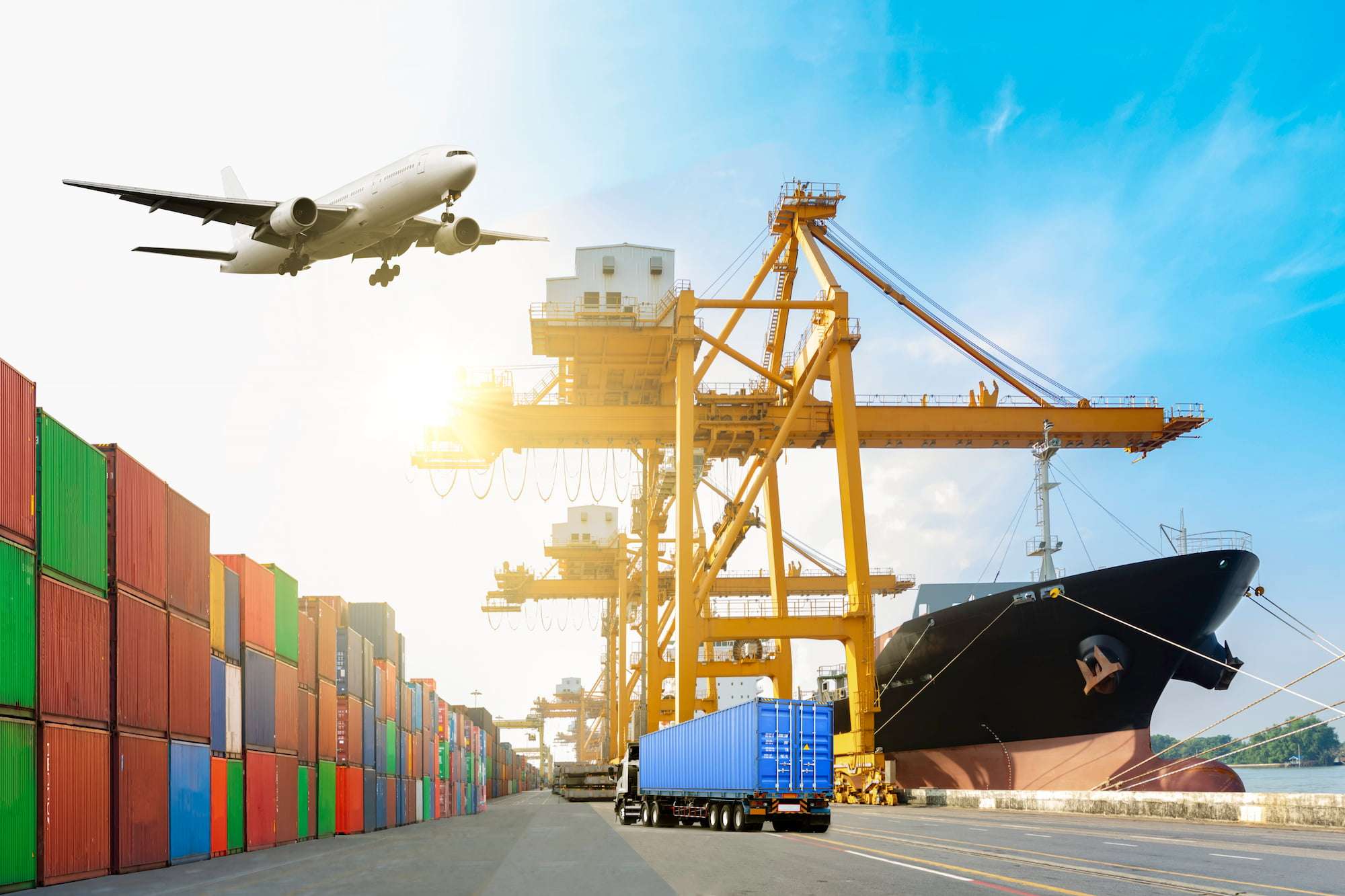
With the peak season potentially impacting international shipping, a shipper must know how to prepare. Preparation can include securing carrier space in advance to guarantee successful delivery and prevent delays. It is also beneficial to ship early to decrease the likelihood of peak season challenges and extra costs. Shipping beforehand may also include stocking up on items to prevent the risk of shortages. Shippers can benefit from diversifying shipping routes and transportation modes to avoid port congestion. For routes, this can include transporting your shipment through ports with less volume to prevent bottlenecks and delays. Moving goods using modes other than sea, such as air, and if possible, land, can also prevent unexpected interruptions.
Although the peak season can be a time of pressure for shippers, it should not stop cargo movement. However, the shipper should take the proper steps to avoid supply chain disruptions. Another way to prepare is to work with a 3PL (Third-Party Logistics) provider like A1 Worldwide Logistics. 3PLs are service providers that offer various services for a shipper’s supply chain. These include international and domestic shipping, warehousing, customs clearance, and more. 3PLs also provide consultation on the best action to protect your cargo during peak season. Speak to us at info@a1wwl.com or 305-425-9752 to learn about our 3PL solutions for ensuring a successful shipment.