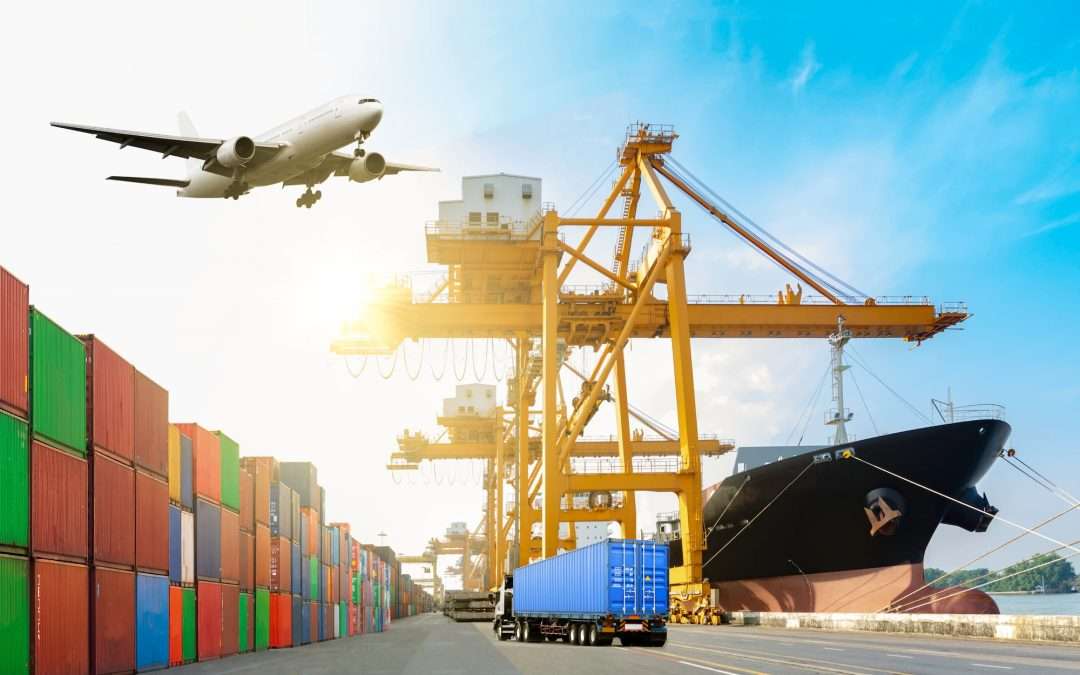
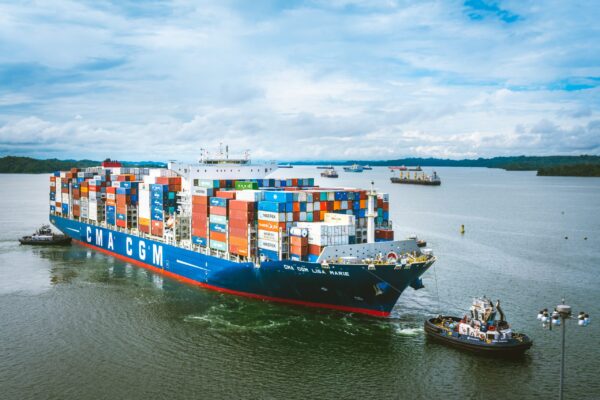
Shipping goods internationally can mean very different things depending on what you are moving. Sending a box overseas with a parcel carrier is one process. Moving pallets, machinery, a full container, or commercial inventory between countries involves freight...
Choosing a freight forwarder should involve more than comparing freight rates. The company you choose may be responsible for coordinating carrier bookings, shipping documents, international transportation, customs clearance, and final delivery. When everything goes...
Choosing a customs broker is an important decision for any business or individual importing goods into the United States. Your broker can help prepare your customs entry, classify your goods, calculate duties, manage documentation, and communicate with U.S. Customs...
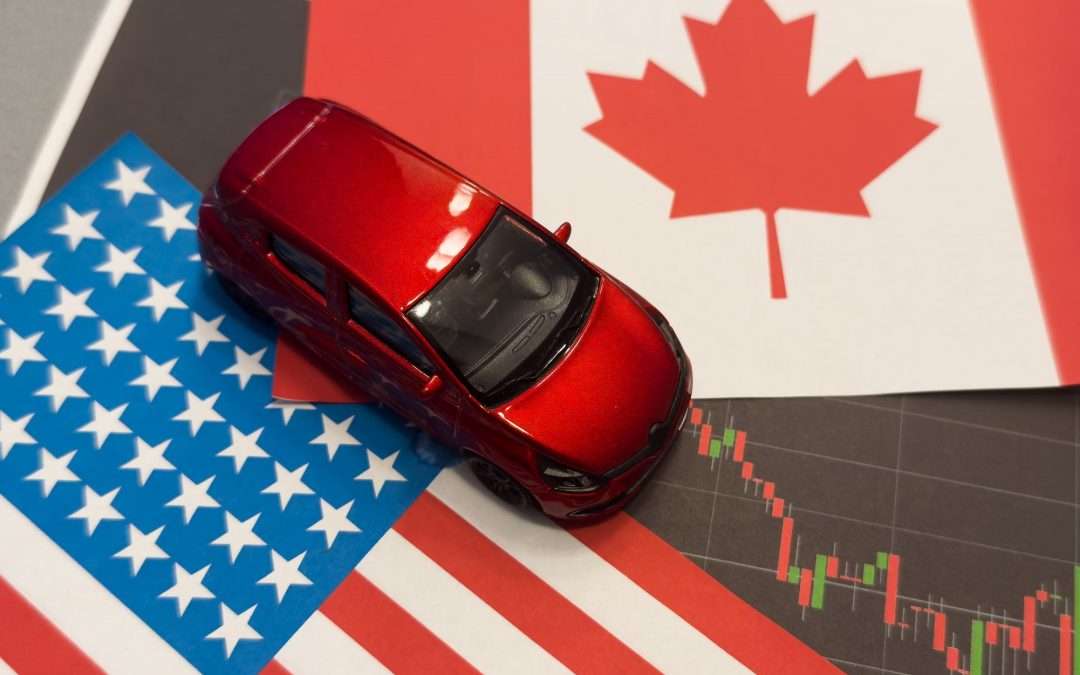
Although importing cars from Canada can benefit importers and businesses, it can be confusing for the average shipper. Canada’s proximity to the US makes cross-border vehicle transportation relatively accessible. In addition to offering easy access, Canada is an...
Trade War Between China and U.S.
Share This Article
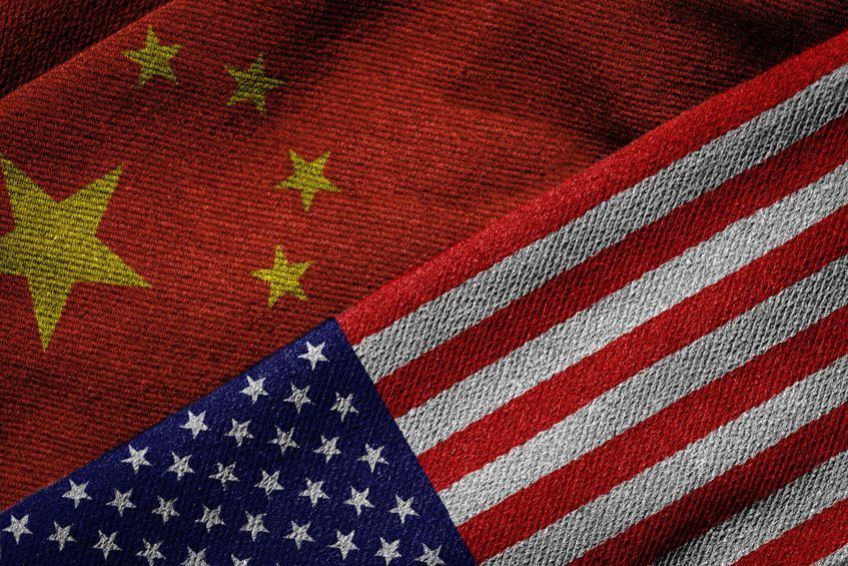
President Trump intends on enforcing plans to calculate a 25% tariff on imports from China after months of back-and-forth negotiation. Amid the products affected will be vehicles, technology, and animals/animal products. The purpose of the tariffs is to encourage China to rethink the way they work with the trade of technology in the hopes of reaching a balance between the two countries.
These tariffs will affect over 1,100 exports and target multiple industries; aerospace, robotics, manufacturing, medical, and automotive. China will invoke a tariff on $50 billion imports of automobiles and auto parts, planes, soybeans, agricultural and marine products starting the beginning of July, the 6th, to be exact. This cut will directly impact stores similar to Walmart and Sony that import products from abroad.
The president has instructed the Trade Representatives to add another $200 billions with of Chinese goods at a 10% rate in response to China’s intended retaliation. They will only go into effect if China refuses to change the piracy of U.S. Intellectual Property. China vows to scrap any previous promises to purchase more U.S. goods during negotiation with U.S. trade officials last month.
American companies have been given the option to apply for an exemption from the tariff after careful consideration from the administration. However, Trump recently announced his burden of taxes on steel and aluminum imports from Canada, Mexico, and the European Union. In which those countries have already promised retaliatory tariffs if they haven’t enforced them already.
More and more products and industries are feeling the impact of the taxes imposed by multiple countries. Among those listed include washing machines, automobiles, and parts. American products targeted by China, Mexico, Canada, India, and the European Union include denim, bourbon, whiskey, and agricultural commodities totaling around $17 billion. Shortly after this was announced, Russia and Japan have shown interest in executing tit-for-tat tariffs against the United States.
With a battle brewing between Republicans in Congress and the White House, there is some light shed on the situation in the hopes of talking Trump out of invoking any more tariffs on trade for other countries.
Before a winery dispatches a commercial order to the United States, the importing business should have its permit and product approvals in order. For bottled wine containing 7% to 24% alcohol by volume, this generally includes a TTB importer’s basic permit and a...
Customs clearance costs for U.S. imports can include the broker’s fee, import duties, and government processing charges. A shipment may also need a customs bond or additional filing services. The amount depends on the goods and the work involved, so the advertised...
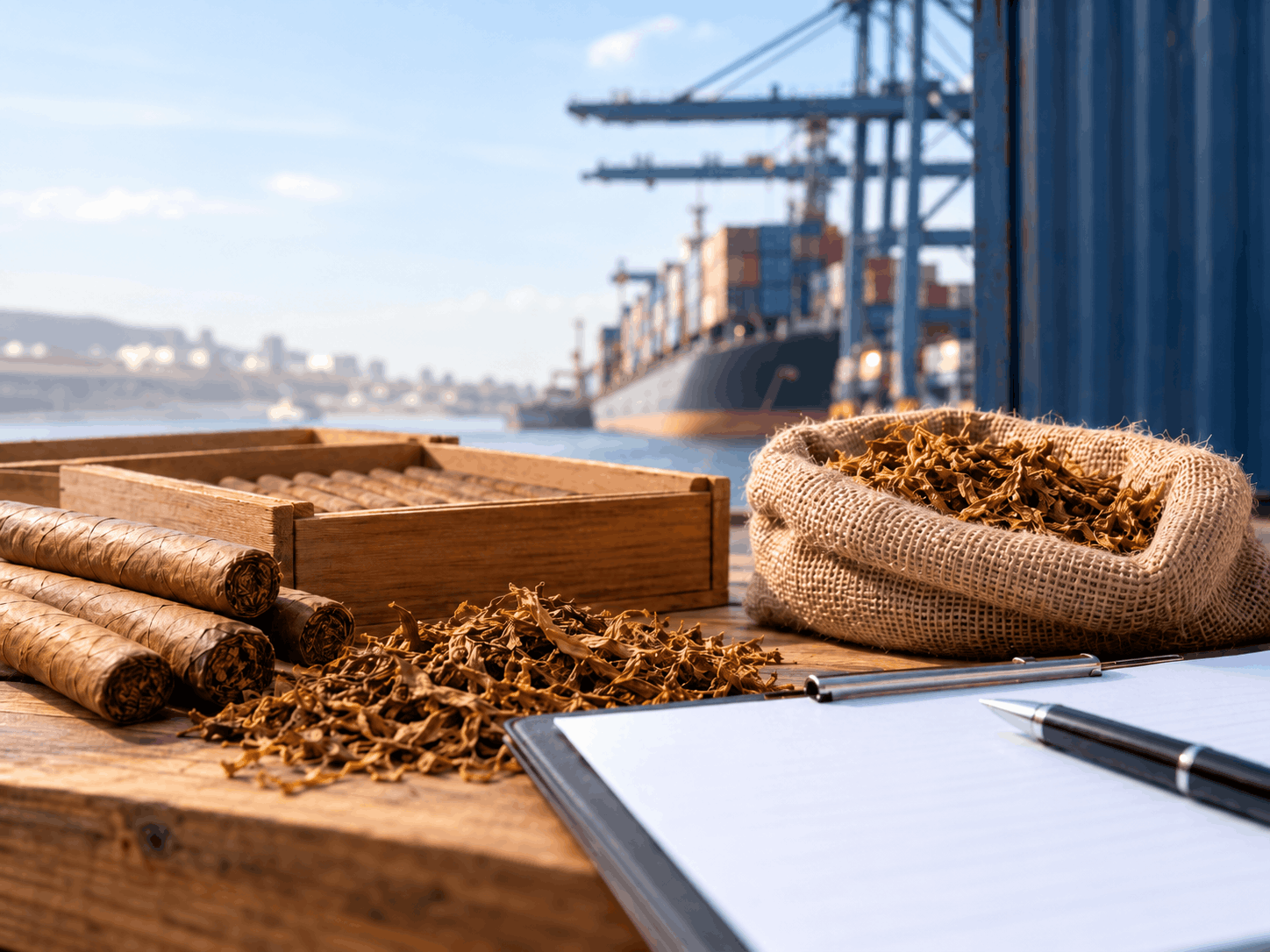
Commercial tobacco imports require a permit from the Alcohol and Tobacco Tax and Trade Bureau, or TTB, before the business begins importing. The products must also meet the U.S. requirements that apply to their category. A permit to operate does not establish whether...
The Importer of Record, usually shortened to IOR, is the party legally responsible for the customs entry when goods are imported into the United States. For a business buying goods from an overseas supplier, this will often be the U.S. buyer. Other arrangements are...
Importing electronics into the United States can involve more than arranging freight and filing a customs entry. Depending on the equipment, you may need to check FCC authorization, lithium-battery transport requirements, product-safety rules, country-of-origin...