What Is a Continuous Customs Bond? A continuous customs bond is a bond used by importers to cover multiple U.S. Customs transactions rather than arranging a separate bond for each applicable shipment. If you regularly import commercial goods into the United States, a...
Buying goods from an overseas supplier is only one part of importing them into the United States. Before the shipment leaves, you need to know whether the product can enter the country, who will act as the importer, what duties or additional tariffs may apply, what...
When deciding whether to ship internationally or domestically, consider why you should use warehousing services. Warehousing is a logistics solution that involves storing goods in a specialized facility. From there, the warehouse can provide many value-added services...
Shipping goods internationally can mean very different things depending on what you are moving. Sending a box overseas with a parcel carrier is one process. Moving pallets, machinery, a full container, or commercial inventory between countries involves freight...
The real story on USMCA and Logistics
Share This Article
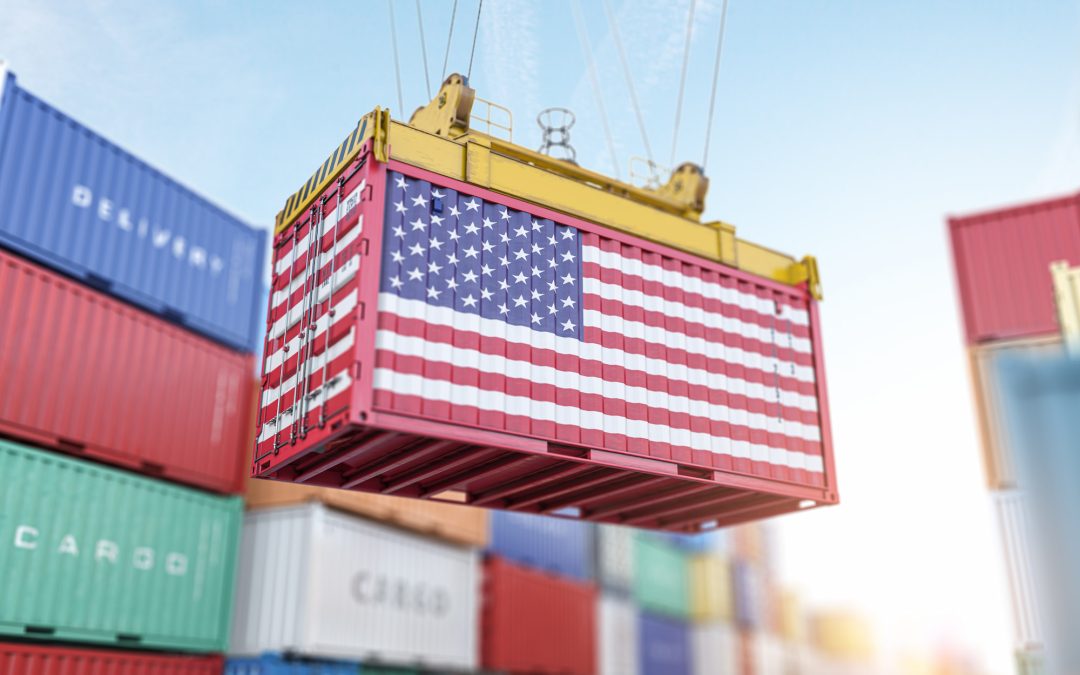
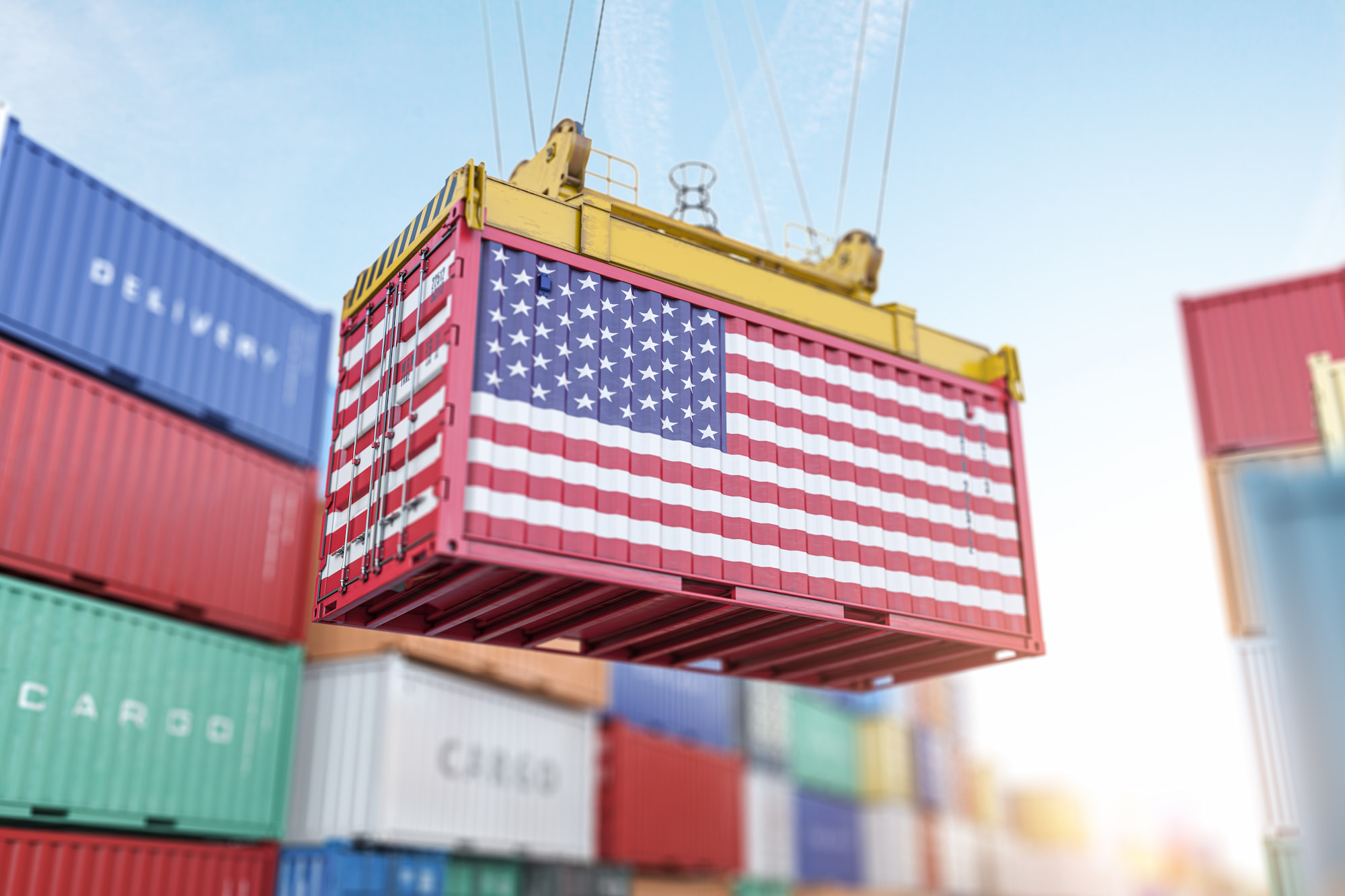
The recent agreement by Canada and Mexico to a new North American trade deal (USMCA) with the United States offers an encouraging sign that such cooperation and mutual benefit is something the Trump administration sees as good for U.S. business and the logistics/supply chain industry in general
The new deal, which must be approved by Congress, offers both good news and bad news.
In a nutshell, negotiators drafted a deal designed to “do no harm,” as the business community demanded for over a year. Despite a few give-and-takes, and heated rhetoric over the past year, the original trade foundations of the North American Free Trade Agreement (NAFTA) remain mostly intact.
The net result of this new agreement is that for the moment is the slight cooling of the trade war that has been rapidly escalating over the best few months.
Some of the biggest winners of USMCA are Mexico and Canada who were able to extract a partial exemption from the steel and aluminum tariffs that the Trump administration put into effect this year.
USMCA also preserves NAFTA’S Chapter 19, which is an independent panel set up to resolve individual trade disputes. While the committee has changed a bit in the number of members – there are five members now – its mission and guidelines stay mostly intact.
The US, Canada, and Mexico also agreed to important new provisions on e-commerce, which didn’t exist when NAFTA took effect in 1994, and on countries sovereign intellectual property rights.
In summary, the adoption of USMCA can be seen; on its face, like a half-step improvement over NAFTA, It will have no measurable effect on economic growth, job growth or wage growth in the United States. It will have no foreseeable impact on the U.S. trade deficit with Mexico.
Regardless of the positives or negatives, it’s going to be a long wait to see the results of USMCA, Trump says he will sign the agreement in November, but most of the USMCA provisions go into effect in 2020 since the legislatures in Mexico and Canada, and the U.S. Congress must vote for the $1.2 trillion deal.
Have questions about how USMCA will affect logistics, the supply chain or customs? Send us an (305) 821-8995 or send us an email at info@a1wwl.com. A1 worldwide logistics is ready to help your business navigate the ever-changing world of international trade and customs.
What Is a Continuous Customs Bond? A continuous customs bond is a bond used by importers to cover multiple U.S. Customs transactions rather than arranging a separate bond for each applicable shipment. If you regularly import commercial goods into the United States, a...
Buying goods from an overseas supplier is only one part of importing them into the United States. Before the shipment leaves, you need to know whether the product can enter the country, who will act as the importer, what duties or additional tariffs may apply, what...
Looking for a smarter way to manage your cargo? Warehousing services can provide more than just a place to store your goods—they offer numerous value-added services before your cargo reaches its final destination.
Commercial international shipping can involve freight transportation, carrier bookings, complex documentation, customs requirements, and much more. 🚢✈️ Understanding these steps can help you avoid delays, unexpected costs, and compliance issues.
Choosing a freight forwarder should involve more than simply comparing rates. The right company can help coordinate bookings, manage documents, arrange international transport, assist with clearance, and move your cargo toward its final destination.