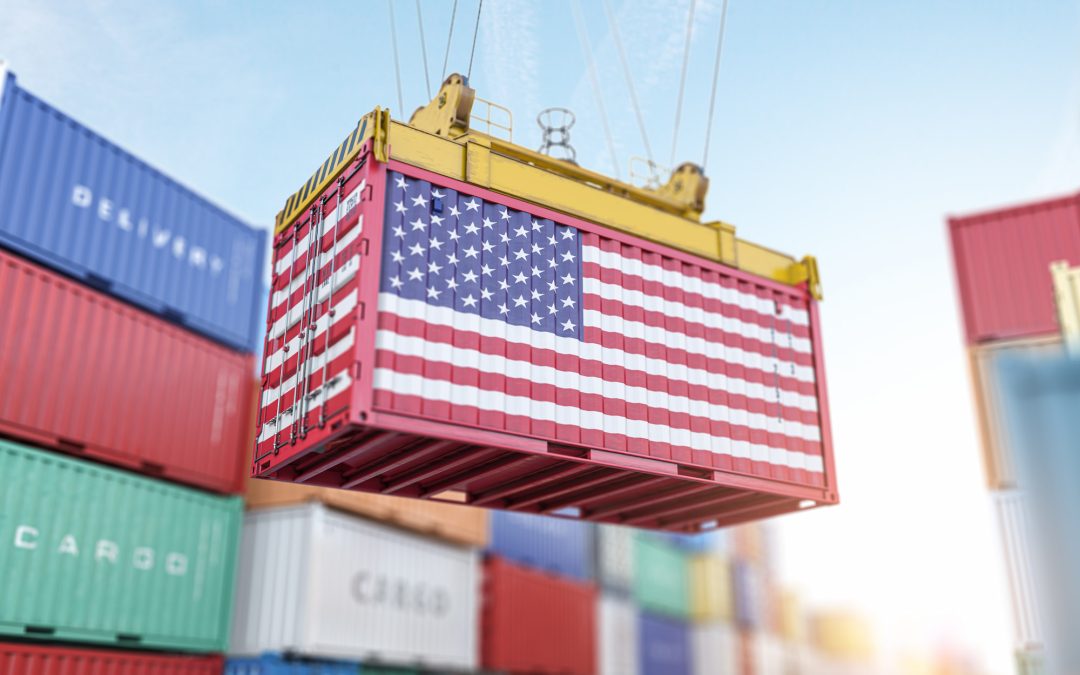
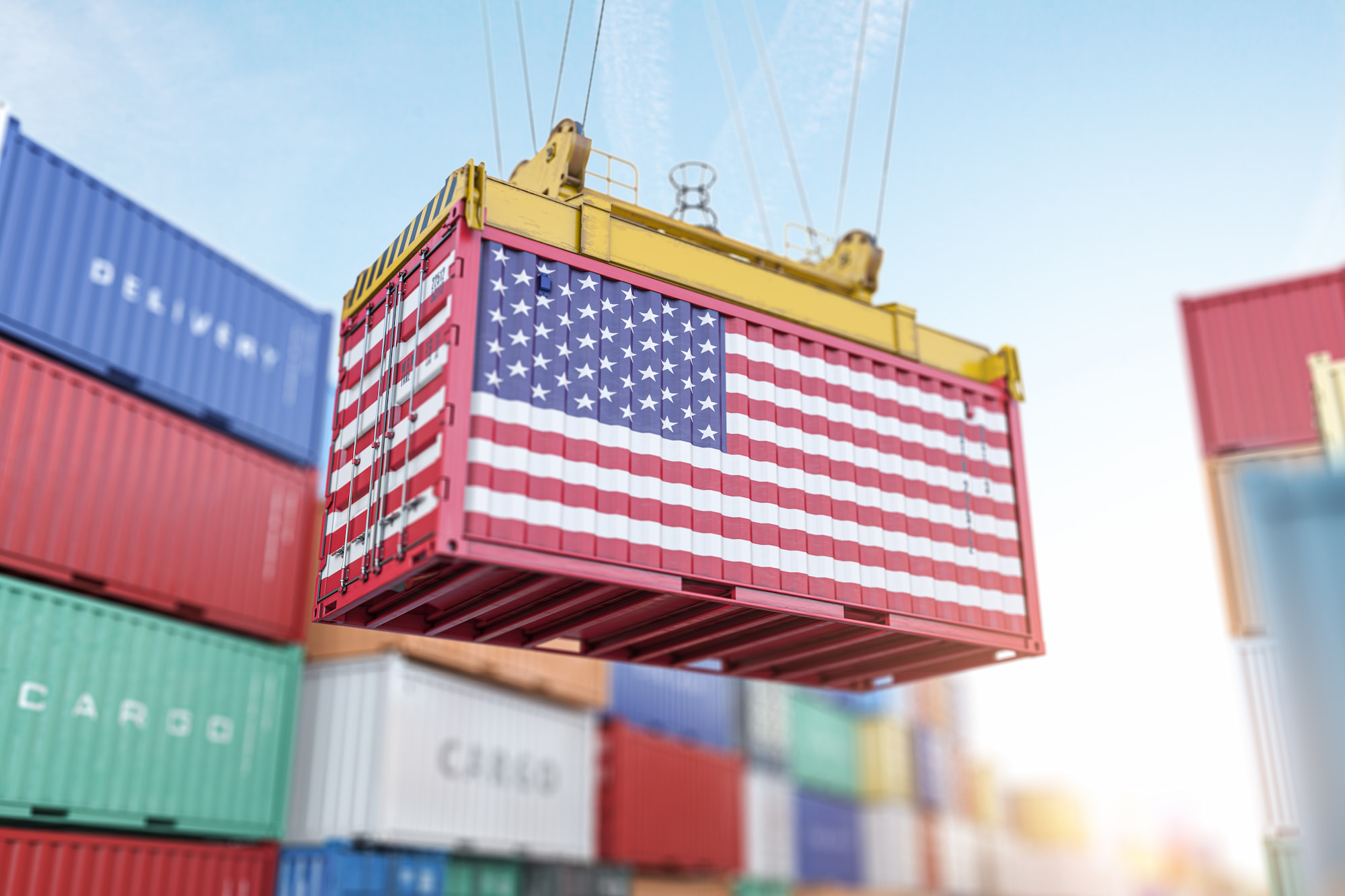
What Is a Continuous Customs Bond? A continuous customs bond is a bond used by importers to cover multiple U.S. Customs transactions rather than arranging a separate bond for each applicable shipment. If you regularly import commercial goods into the United States, a...
Buying goods from an overseas supplier is only one part of importing them into the United States. Before the shipment leaves, you need to know whether the product can enter the country, who will act as the importer, what duties or additional tariffs may apply, what...
When deciding whether to ship internationally or domestically, consider why you should use warehousing services. Warehousing is a logistics solution that involves storing goods in a specialized facility. From there, the warehouse can provide many value-added services...
Shipping goods internationally can mean very different things depending on what you are moving. Sending a box overseas with a parcel carrier is one process. Moving pallets, machinery, a full container, or commercial inventory between countries involves freight...
Navigating Supply Chain Technology Trends
Share This Article
Navigating Supply Chain Technology Trends
A1 Worldwide Logistics understands that it is important to have a long-term attitude towards development and execution and recognize that logistics trends come and go, and it can make little logic to deeply invest in proclaimed technological improvements just because they’re “the latest thing.”
While high-tech progression brings with its solutions that can transform how businesses in the supply chain interrelate, it’s imperative for all participants to be a little bit cynical when any company introduces a purportedly game-changing innovation.
Adopters of New Technology
3PLs are characteristically the early adopters of new advancements, as a large portion of their value proposition to their customers is their ability to utilize trailblazing technology to solve supply chain challenges.
These logistics providers continuously keep their ears to the ground attending conferences and investigating the latest technologies seeking new abilities. 3PLs can make a solo outlay in technology and influence that capability across many transporters.
While it is common for 3PLs to be on the leading edge of technical improvements, it’s vital that all supply chain participants do their due diligence when looking for a technology partner. They should select a logistics provider that has a stable fiscal footing, a well-reasoned plan for progress and a solid track record of data safekeeping. This goes together with choosing a firm that has an articulated plan and enough know-how and experience in the supply chain arena not to get caught up with superfluous trends.
Technology Partners
Technological advancements in the supply chain have brought growing quantities of logistics data to industry participants. This has lead to an increase in unconventional analytics to turn that data into actionable info, a skill in which technology providers excel. Shippers are using analytics in combination with real-time visibility data to identify holdups within their procedures and providers’ networks. This visibility allows them to estimate when deliveries will arrive at the planned destination with greater confidence. The future is bright in this area due to improving visibility technology, more advanced analytics, and integrated collaboration tools available to 3PLs.
Because of this heavy scrutiny, there’s a chance that for some companies, data excess might be on the horizon. Five years ago, big data was becoming a trending topic, and now, the amount of data available in the supply chain is overwhelming. As time goes on, data will only become more readily available. As that continues to progress, smart systems that leverage that data to create tangible business solutions will be in demand.
What Is a Continuous Customs Bond? A continuous customs bond is a bond used by importers to cover multiple U.S. Customs transactions rather than arranging a separate bond for each applicable shipment. If you regularly import commercial goods into the United States, a...
Buying goods from an overseas supplier is only one part of importing them into the United States. Before the shipment leaves, you need to know whether the product can enter the country, who will act as the importer, what duties or additional tariffs may apply, what...
Looking for a smarter way to manage your cargo? Warehousing services can provide more than just a place to store your goods—they offer numerous value-added services before your cargo reaches its final destination.
Commercial international shipping can involve freight transportation, carrier bookings, complex documentation, customs requirements, and much more. 🚢✈️ Understanding these steps can help you avoid delays, unexpected costs, and compliance issues.
Choosing a freight forwarder should involve more than simply comparing rates. The right company can help coordinate bookings, manage documents, arrange international transport, assist with clearance, and move your cargo toward its final destination.