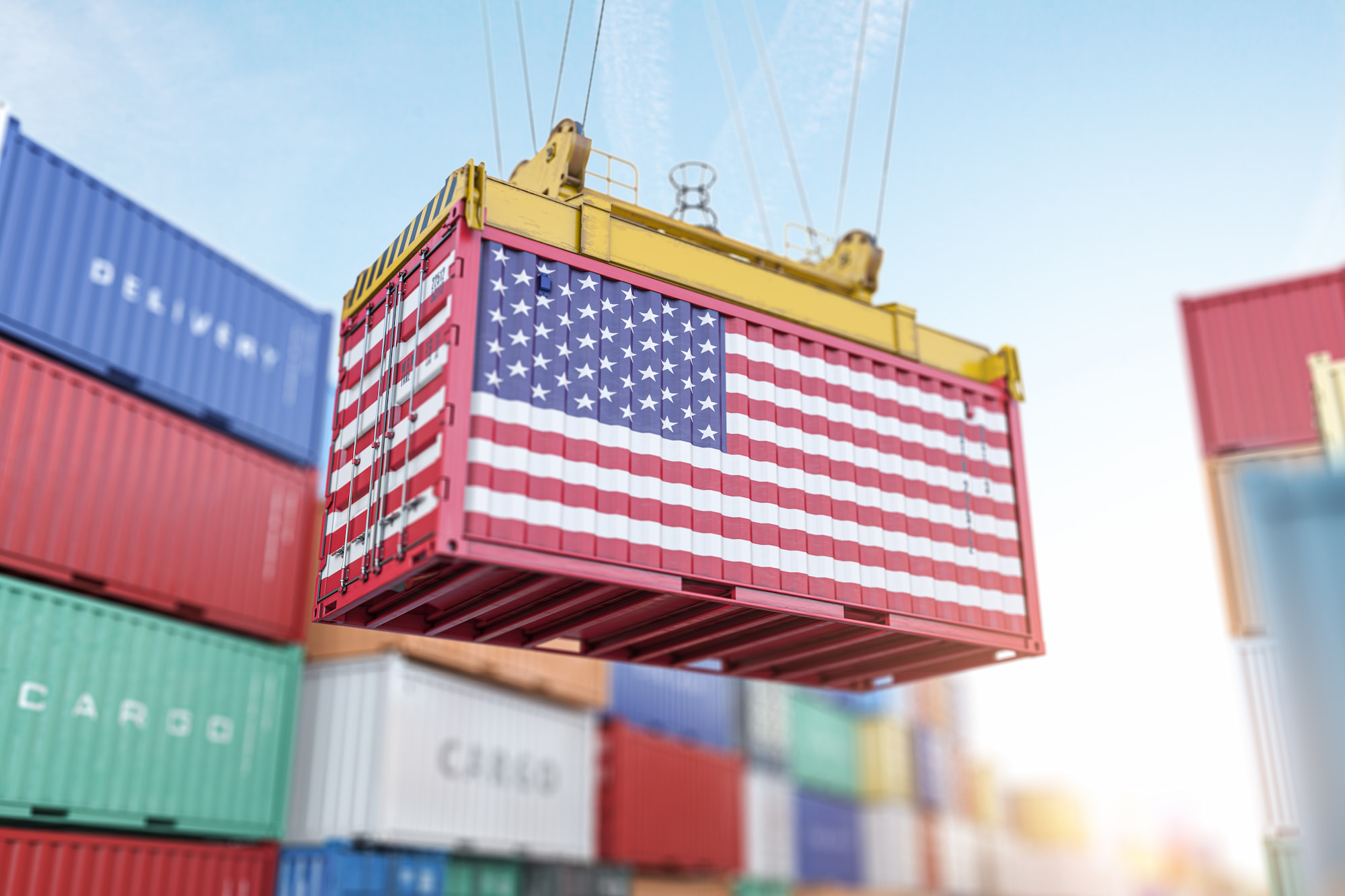
What Is a Continuous Customs Bond? A continuous customs bond is a bond used by importers to cover multiple U.S. Customs transactions rather than arranging a separate bond for each applicable shipment. If you regularly import commercial goods into the United States, a...
Buying goods from an overseas supplier is only one part of importing them into the United States. Before the shipment leaves, you need to know whether the product can enter the country, who will act as the importer, what duties or additional tariffs may apply, what...
When deciding whether to ship internationally or domestically, consider why you should use warehousing services. Warehousing is a logistics solution that involves storing goods in a specialized facility. From there, the warehouse can provide many value-added services...
Choosing a customs broker is an important decision for any business or individual importing goods into the United States. Your broker can help prepare your customs entry, classify your goods, calculate duties, manage documentation, and communicate with U.S. Customs...
4 Ways To Optimize Your Supply Chain Orchestration
Share This Article
Here at A1 Worldwide Logistics, we know from experience that as the B2C and B2B markets have grown and evolved, customers are demanding faster shipments, greater flexibility, and more clarity in the order lifecycle and logistics process.
As such, A1 Worldwide Logistics knows that only with true innovation can you establish real-time visibility with the power to make changes can you achieve the agility that clients demand and stand out from your competition.
To help your business grow and scale, here are four trends you can use to supercharge your Supply Chain Orchestration (SCO). These trends will allow you to completely transform your businesses supply chain and provide the best service to your clients at a cost-effective price.
Establish end-to-end logistics visibility. A comprehensive, all-inclusive picture of your supply chain, combined with the ability to act, allows you to optimize every individual client order. You must be able to granularly analyze logistic costs against your customer’s satisfaction to find the perfect balance that enables the highest volume of on-time, completed orders.
Get real-time control of your business inventory network. Inventory distortion, including out-of-stocks and overstocks, costs businesses over $1.2 trillion globally. That is a massive sum of money to be losing to inventory issues. It’s no surprise that many forward-thinking companies are rushing to have complete visibility of not just their internal inventory, but also the whole network—custom brokers, suppliers, warehouses, and in-transit stock.
Dynamic planning wins out over high-level stationary planning based on forecasts, cutting down on inventory that is always depreciating and ensuring customers get their orders swiftly. SCO can show you exactly where the stock is at any given moment, and also enables your business to ship directly from different locations or even reroute stock in-transit.
Remember that your customer is looking to buy a complete “experience.” Customers have a vast choice of vendors for their desired product; what decides customers continued loyalty in the future is the experience they have ordered from your business. It has been proven that repeat customers order more, spend more, and refer more customers. In short, they bring in more money and business, so it’s vital to create amazing customer experiences and to build customer loyalty.
Optimize every part of your supply chains. The path to a genuinely customer-centric methodology comes through optimizing for specific orders. Factoring in every factor from stock readiness to timeliness, and tailoring every step to achieve a great customer experience without overspending, requires supply chain optimization.
What Is a Continuous Customs Bond? A continuous customs bond is a bond used by importers to cover multiple U.S. Customs transactions rather than arranging a separate bond for each applicable shipment. If you regularly import commercial goods into the United States, a...
Buying goods from an overseas supplier is only one part of importing them into the United States. Before the shipment leaves, you need to know whether the product can enter the country, who will act as the importer, what duties or additional tariffs may apply, what...
Looking for a smarter way to manage your cargo? Warehousing services can provide more than just a place to store your goods—they offer numerous value-added services before your cargo reaches its final destination.
Commercial international shipping can involve freight transportation, carrier bookings, complex documentation, customs requirements, and much more. 🚢✈️ Understanding these steps can help you avoid delays, unexpected costs, and compliance issues.
Choosing a freight forwarder should involve more than simply comparing rates. The right company can help coordinate bookings, manage documents, arrange international transport, assist with clearance, and move your cargo toward its final destination.