How to Ship Goods Internationally: A Guide for Businesses

How to Ship Goods Internationally: A Guide for Businesses

Shipping goods internationally can mean very different things depending on what you are moving. Sending a box overseas with a parcel carrier is one process. Moving pallets, machinery, a full container, or commercial inventory between countries involves freight...

How to Choose a Freight Forwarder

How to Choose a Freight Forwarder

Choosing a freight forwarder should involve more than comparing freight rates. The company you choose may be responsible for coordinating carrier bookings, shipping documents, international transportation, customs clearance, and final delivery. When everything goes...

How to Choose the Right Customs Broker

How to Choose the Right Customs Broker

Choosing a customs broker is an important decision for any business or individual importing goods into the United States. Your broker can help prepare your customs entry, classify your goods, calculate duties, manage documentation, and communicate with U.S. Customs...

Panama Canal Fees Continue To Rise

Panama Canal Fees Continue To Rise

Shippers may soon face higher costs as the Panama Canal fees continue to rise. Over the last few months, various scenarios have driven transit fees higher. Major carrier companies have begun raising their Panama Canal Surcharge from $100 per TEU to $130 and nearly...

Beer Imports or Wine Imports

Share This Article


The value of wine imported into the United States has always been greater than the value of beer imported. However in 2020 this changed, and the value of beer imported into the U.S. surpassed the value of wine. Different theories and methods have been proposed as to why this is happening such as government policy and the coronavirus.

Did Covid-19 Affect This?

A common belief is that the coronavirus led to beer becoming a wanted commodity. This is because, with high levels of unemployment, the level of economic depression went up. This could have led to more consumption of beer. Beer is known for being a countercyclical good, meaning that when the economy is bad, it does well. On the other hand, the import of beer has been increasing and hitting records for over a decade. There may be other reasons why beer is doing so well. Despite the coronavirus may not have an effect on the beer imports it could have affected the wine imports.

Where is most Beer Imported From?

When beer comes into the U.S. it is imported from various countries. Mexico was responsible for over 70% of beer imported in 2020. Mexico’s market share and imports have been steadily increasing over the last 20 years. And this includes the importing of beer. Other countries like Canada, Germany, and the Netherlands have decreased beer imports over that time period, however. A belief is that the proximity of Mexico to the U.S. means that the customer will get their product quicker. Since Mexico is so close it may seem like an ideal country of choice. Instead of further regions.

The Impact of Tariffs on Wine

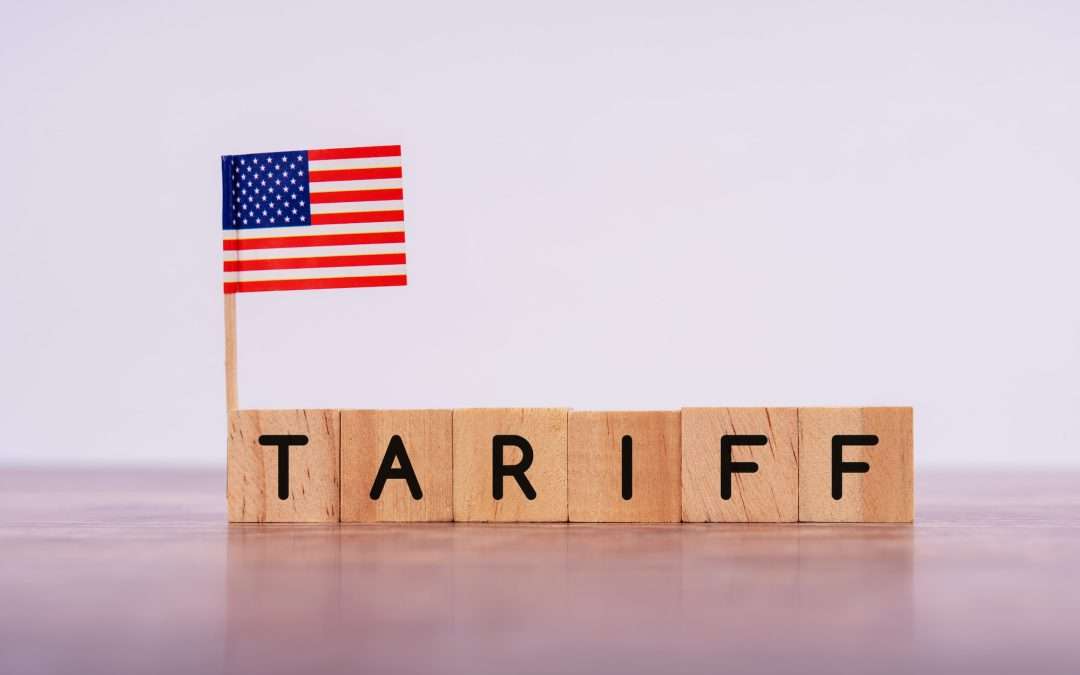
In 2019 tariffs were placed on wine from France and other countries in Europe before the coronavirus even reached the U.S. The result of this was felt all last year and even in 2021. The importing of French wine dropped greatly. Interestingly, Italy did not have tariffs placed on its wine in 2019. Italy’s wine imports not only stayed relatively steady but surpassed France.

Months after the tariffs were placed on the wine was when the coronavirus hit the U.S. The shutting down of restaurants and bars that order wine internationally added to the decline since they are the largest business sectors that rely on wine. With a 25% tariff and businesses closing, the wine industry felt the effects.

A1 Worldwide Logistics

When importing goods such as wine or beer from a foreign supplier they have to go through customs. The customs clearance process tends to not be simple, and you may be lost if it’s your first time doing it. Finding an experienced customs broker to guide you through the process can save you time and energy. If you are looking for a customs broker, call us at 305-821-8995 or email us at info@a1wwl.com for or information.

A1 Worldwide Logistics, Inc.

📍1035 NE 125th St #320, North Miami, FL 33161, USA

🌍 a1worldwidelogistics.com

📞 305-821-8995

🕒 Hours: 8AM – 5PM

Send your request

This is a guide on how to ship goods internationally.

How to Ship Goods Internationally: A Guide for Businesses

Commercial international shipping can involve freight transportation, carrier bookings, complex documentation, customs requirements, and much more. 🚢✈️ Understanding these steps can help you avoid delays, unexpected costs, and compliance issues.

There are many qualities to look for when choosing a freight forwarder, this will be a guide for making a decision.

How to Choose a Freight Forwarder

Choosing a freight forwarder should involve more than simply comparing rates. The right company can help coordinate bookings, manage documents, arrange international transport, assist with clearance, and move your cargo toward its final destination.

There are numerous qualities to look for when choosing a customs broker.

How to Choose the Right Customs Broker

Choosing the right customs broker can make a major difference when importing goods into the U.S. From classifying and calculating duties to managing documentation and communicating with CBP, a knowledgeable broker can prevent costly surprises.

What can shippers expect as as the fees to cross the Panama Canal continue to rise.

Panama Canal Fees Continue To Rise

Panama Canal costs are rising—and shippers may soon feel the impact. Higher transit fees, carrier surcharges climbing from $100 to nearly $150, and auction prices exceeding $2 million for a single crossing are putting pressure on shipping costs.

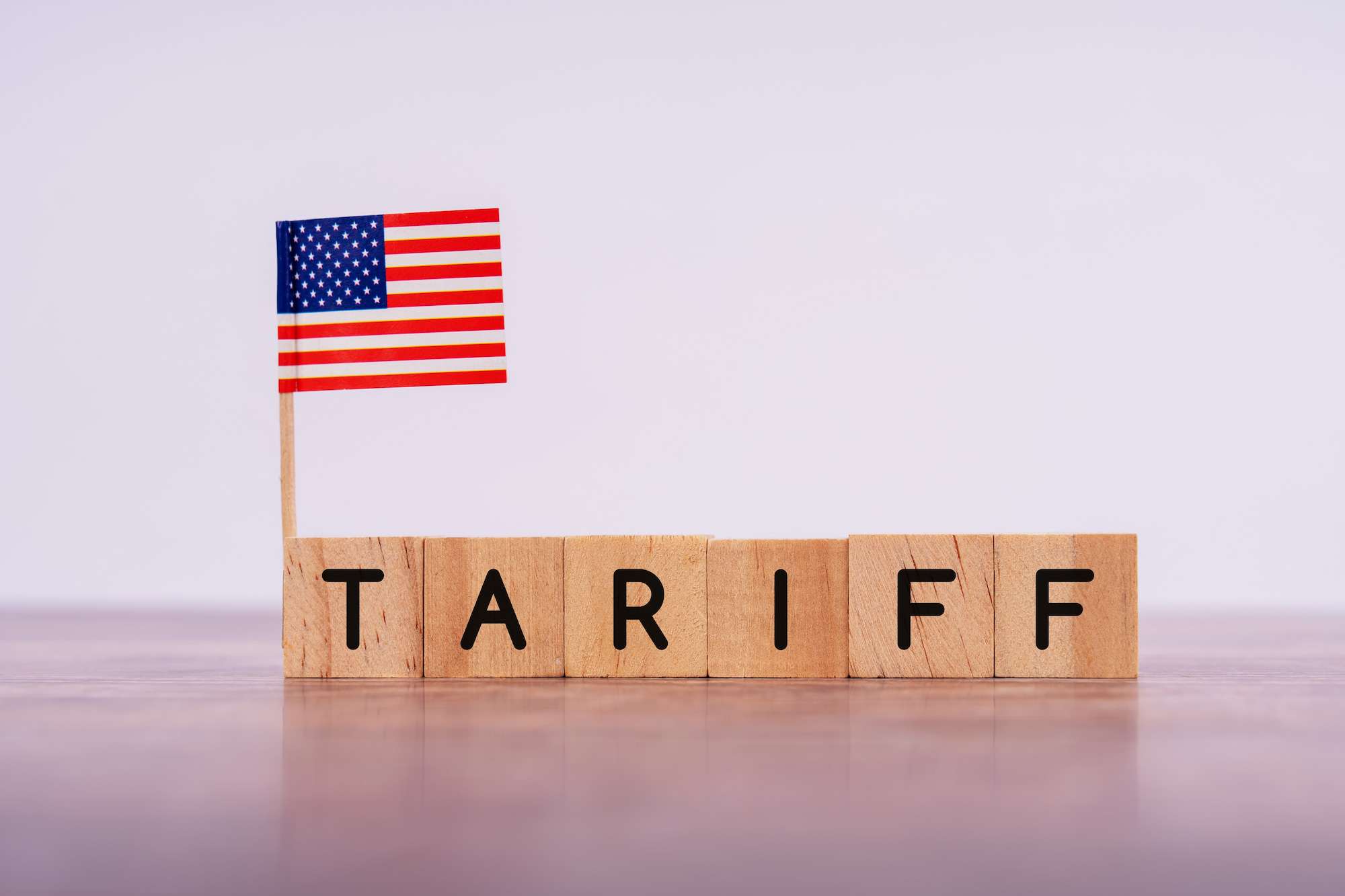
President Trump is continuing to impose tariffs on various nations.

Trump Continuing To Impose Tariffs

Global trade is facing another wave of tariff changes. The Trump Administration has announced new 25% tariffs on numerous imports from Brazil and 50% tariffs on certain Canadian imports.