How to Ship Goods Internationally: A Guide for Businesses

How to Ship Goods Internationally: A Guide for Businesses

Shipping goods internationally can mean very different things depending on what you are moving. Sending a box overseas with a parcel carrier is one process. Moving pallets, machinery, a full container, or commercial inventory between countries involves freight...

How to Choose a Freight Forwarder

How to Choose a Freight Forwarder

Choosing a freight forwarder should involve more than comparing freight rates. The company you choose may be responsible for coordinating carrier bookings, shipping documents, international transportation, customs clearance, and final delivery. When everything goes...

How to Choose the Right Customs Broker

How to Choose the Right Customs Broker

Choosing a customs broker is an important decision for any business or individual importing goods into the United States. Your broker can help prepare your customs entry, classify your goods, calculate duties, manage documentation, and communicate with U.S. Customs...

Panama Canal Fees Continue To Rise

Panama Canal Fees Continue To Rise

Shippers may soon face higher costs as the Panama Canal fees continue to rise. Over the last few months, various scenarios have driven transit fees higher. Major carrier companies have begun raising their Panama Canal Surcharge from $100 per TEU to $130 and nearly...

Customs Clearance Process

Share This Article


When moving your goods internationally one must be aware of how to prevent mishaps in the customs clearance process. There is a wide range of complexities when getting freight from point A to B. Sometimes this journey may not go as smoothly as planned and your goods may be held in customs. While there are certain incidents that may not be averted like bad weather, there can be ways to ease the process.

What are some potential mishaps that can occur during customs clearance?

When cargo goes through customs clearance, certain situations may create setbacks and elongate the time that the goods reach the final destination. The paperwork may not be completed or correct. The description of the cargo may precise enough to pass through customs. Before the freight even gets to the point of customs clearance there is a small chance that the goods may be damaged or lost at sea. Having insurance on the cargo can be useful if this happens.

How to prevent potential disasters?

Before even shipping a good internationally you must know if the good is allowed to be imported into that country. This may be especially important for companies that are distributing their goods internationally with e-commerce. The shipper must make all the required payments before the goods depart the country of origin. Also, make sure that the goods are classified correctly. For example, there may be goods that are classified as hazmat or hazardous materials.

Another way to prevent mishaps in the customs clearance process is to be detailed when documenting the information. This may include the following:

  • Be very precise when describing what is being imported such as having the correct dimensions. (length width and height)
  • Have a good estimate on the total value of the product that is being moved.
  • Make sure all the necessary documents are properly filled out. This can include forms such as the Bill of Lading, Commercial invoice, etc.

Find a good Customs Broker

One of the greatest ways to make sure that the customs clearance process goes smoothly as possible is to find a good customs broker.  A customs broker acts as an intermediary between the importer/exporter and governing customs bodies. They make sure that all the requirements are met for international goods. When looking for a customs broker it is important to look for someone that has familiarity and experience with the process. It may also be beneficial to check if they have good reviews.

The customs clearance process can be tedious and daunting, especially if it’s your first time doing it. However, knowing what you’re doing can save time and energy. If you Are looking for a customs broker or want to know more about the required documentation needed when going through customs clearance, call us at 305-821-8995.

A1 Worldwide Logistics, Inc.

📍1035 NE 125th St #320, North Miami, FL 33161, USA

🌍 a1worldwidelogistics.com

📞 305-821-8995

🕒 Hours: 8AM – 5PM

Send your request

This is a guide on how to ship goods internationally.

How to Ship Goods Internationally: A Guide for Businesses

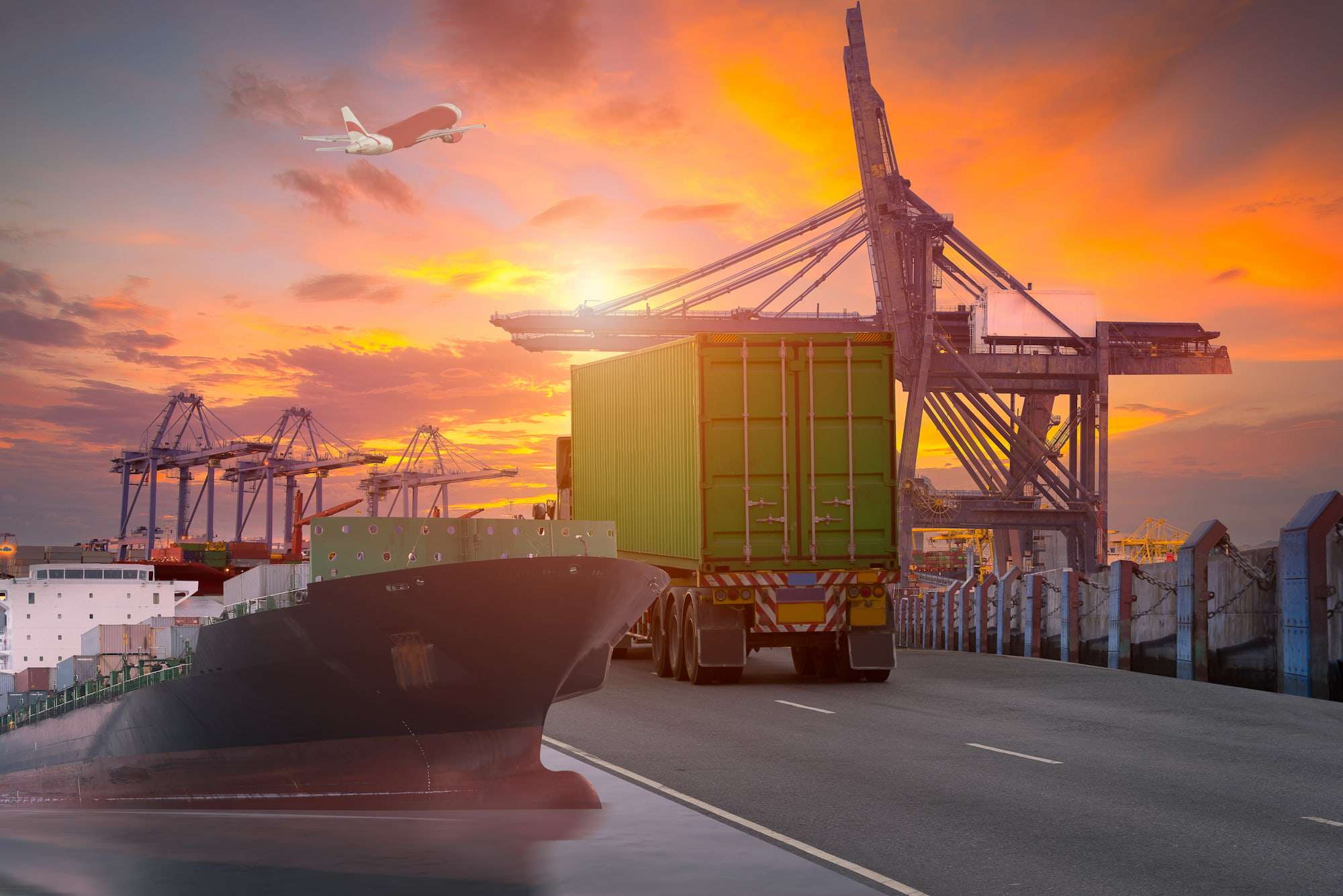
Commercial international shipping can involve freight transportation, carrier bookings, complex documentation, customs requirements, and much more. 🚢✈️ Understanding these steps can help you avoid delays, unexpected costs, and compliance issues.

There are many qualities to look for when choosing a freight forwarder, this will be a guide for making a decision.

How to Choose a Freight Forwarder

Choosing a freight forwarder should involve more than simply comparing rates. The right company can help coordinate bookings, manage documents, arrange international transport, assist with clearance, and move your cargo toward its final destination.

There are numerous qualities to look for when choosing a customs broker.

How to Choose the Right Customs Broker

Choosing the right customs broker can make a major difference when importing goods into the U.S. From classifying and calculating duties to managing documentation and communicating with CBP, a knowledgeable broker can prevent costly surprises.

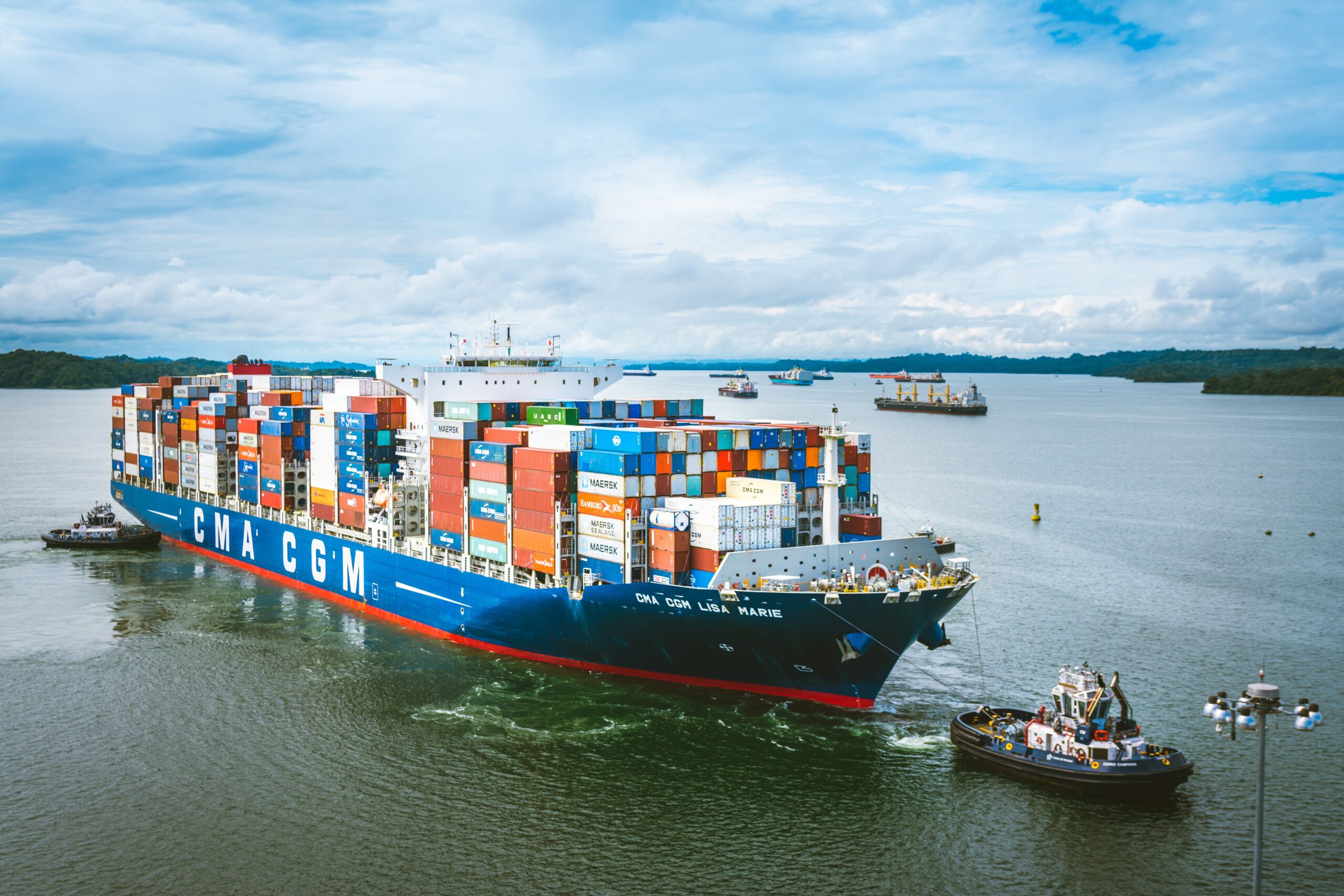
What can shippers expect as as the fees to cross the Panama Canal continue to rise.

Panama Canal Fees Continue To Rise

Panama Canal costs are rising—and shippers may soon feel the impact. Higher transit fees, carrier surcharges climbing from $100 to nearly $150, and auction prices exceeding $2 million for a single crossing are putting pressure on shipping costs.

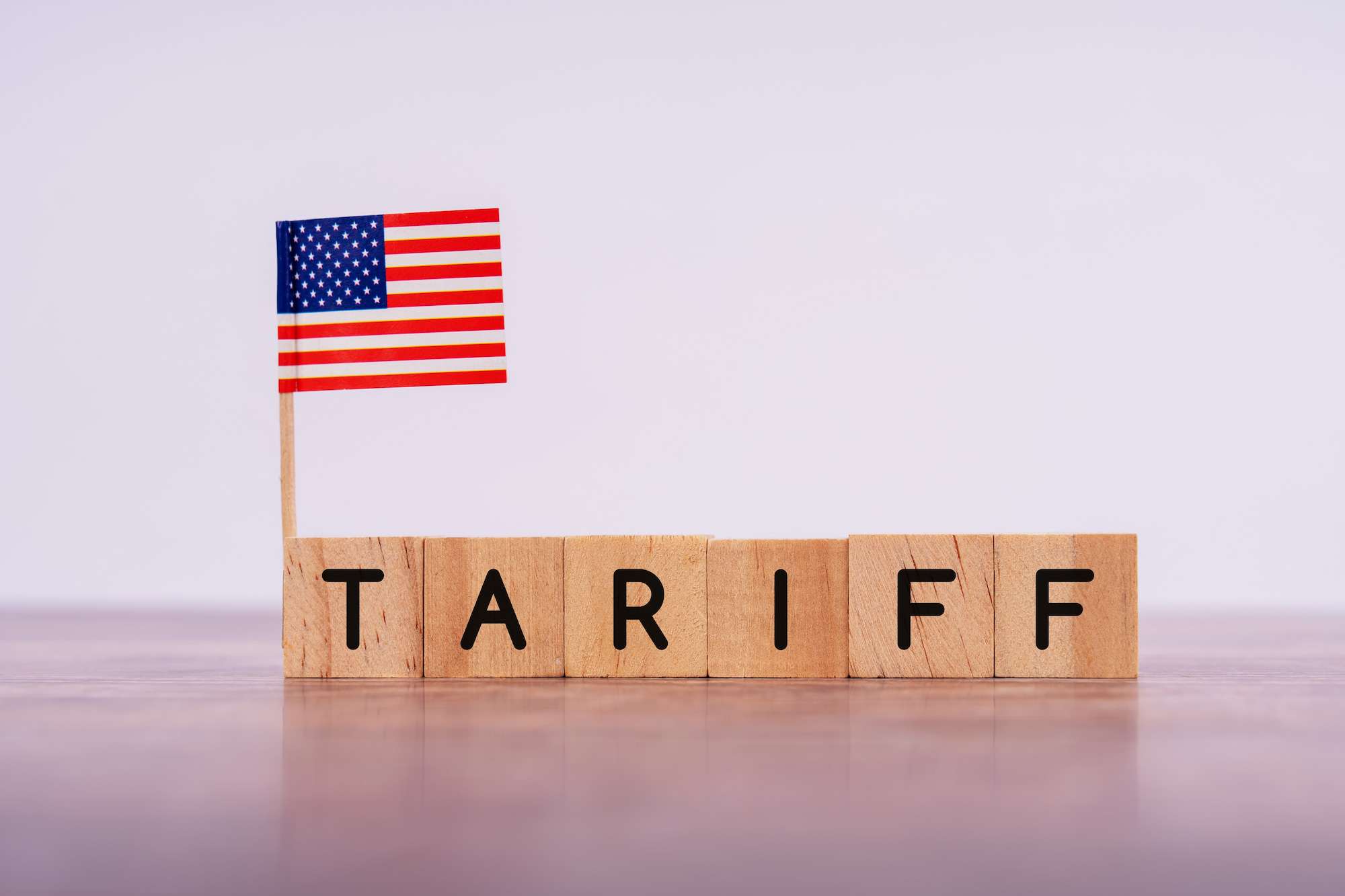
President Trump is continuing to impose tariffs on various nations.

Trump Continuing To Impose Tariffs

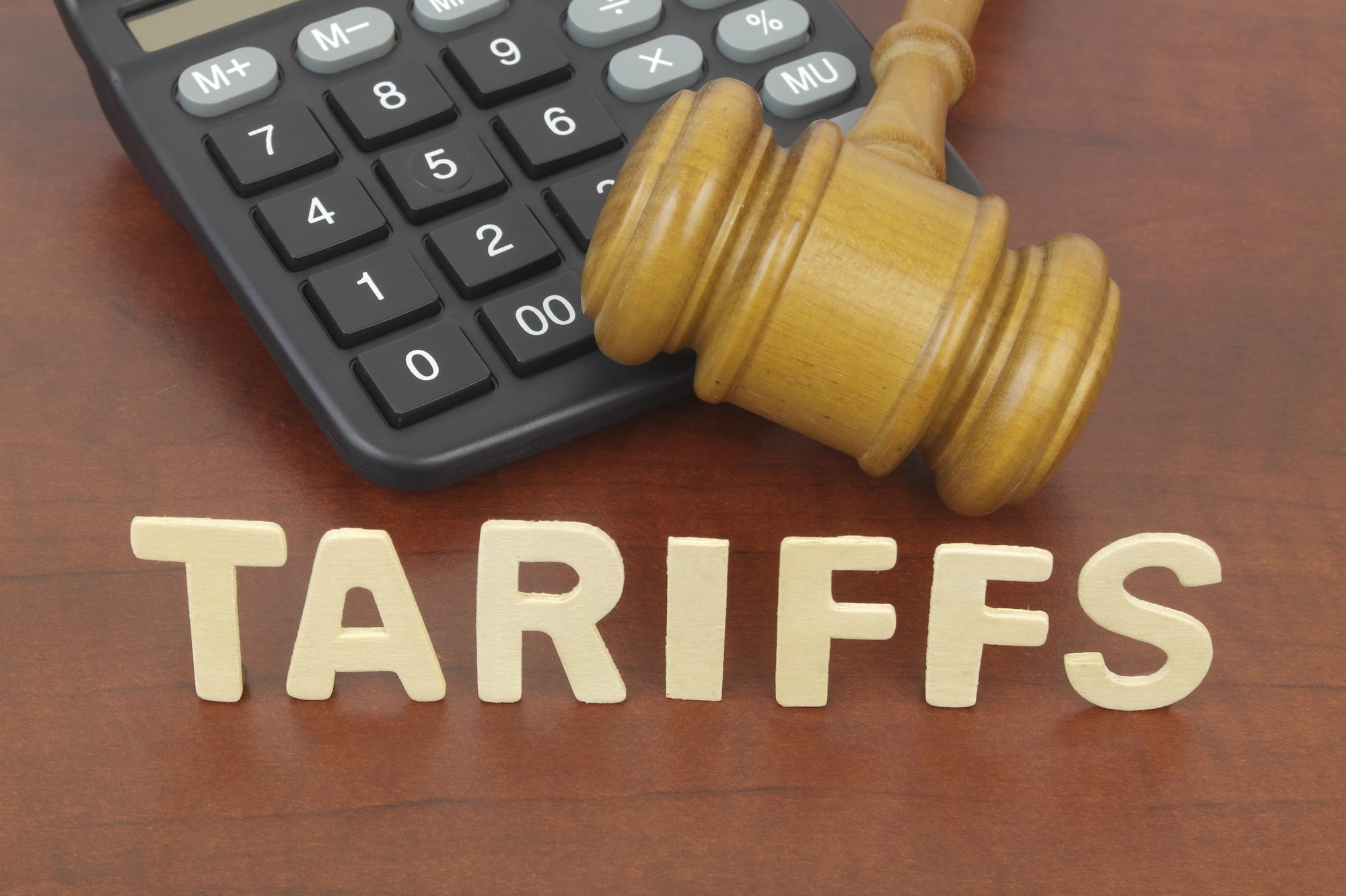
Global trade is facing another wave of tariff changes. The Trump Administration has announced new 25% tariffs on numerous imports from Brazil and 50% tariffs on certain Canadian imports.