How to Ship Goods Internationally: A Guide for Businesses

How to Ship Goods Internationally: A Guide for Businesses

Shipping goods internationally can mean very different things depending on what you are moving. Sending a box overseas with a parcel carrier is one process. Moving pallets, machinery, a full container, or commercial inventory between countries involves freight...

How to Choose a Freight Forwarder

How to Choose a Freight Forwarder

Choosing a freight forwarder should involve more than comparing freight rates. The company you choose may be responsible for coordinating carrier bookings, shipping documents, international transportation, customs clearance, and final delivery. When everything goes...

How to Choose the Right Customs Broker

How to Choose the Right Customs Broker

Choosing a customs broker is an important decision for any business or individual importing goods into the United States. Your broker can help prepare your customs entry, classify your goods, calculate duties, manage documentation, and communicate with U.S. Customs...

Panama Canal Fees Continue To Rise

Panama Canal Fees Continue To Rise

Shippers may soon face higher costs as the Panama Canal fees continue to rise. Over the last few months, various scenarios have driven transit fees higher. Major carrier companies have begun raising their Panama Canal Surcharge from $100 per TEU to $130 and nearly...

Suez Canal Congestion

Share This Article


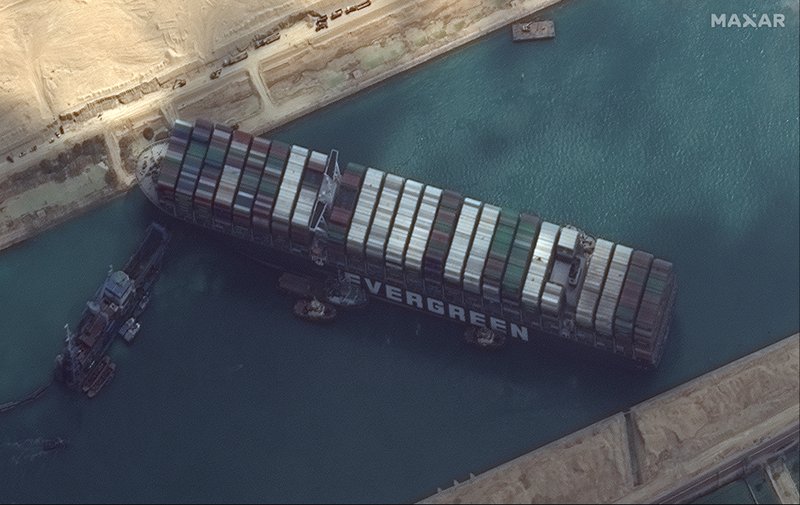
How does the Suez Canal Congestion affect the ships carrying freight and supply chains? During a journey through the canal, the Ever-Given container ship was moving through a sandstorm. The rough winds turned the ship sideways and lodged it in the canal. This created a domino effect that has lasted a few days and may continue on for much longer. Although the ship has been successfully released, there may still be an aftereffect.

The Importance of the Suez Canal.

Created over a century ago, the Suez Canal is known as one of the most important passageways for shipping freight globally. After many attempts to connect the Red Sea to the Mediterranean Sea spanning thousands of years, the first successful completion happened in 1869. Freight vessels have been using the canal as a shortcut from Asia to Europe and vice-versa ever since. Today, the canal is used as a convenient shortcut sailing by South Africa. Around 50 ships pass through the Suez Canal on a daily basis.

The Chain Effect of the Trapped Vessel on Supply Chains.

When freight is moved internationally, there can be many components that contribute to the distribution of the freight. When one component is disrupted, it may trickle down to other parts of the supply chain. In the case of the Suez Canal, the Ever Given vessel blockage resulted in over 300 ships being restrained by Sunday. This means that the ships may not make it to their ports in time which means that the freight may not reach the endpoint in time. Which can look unfavorable to the companies distributing the goods.

The Ships that were impacted contained thousands of containers each. Companies like Ikea and Walmart also depend on the Suez Canal when moving their freight. The total monetary cost of this incident is yet to be determined. This may be extensive nonetheless, depending on how much the supply chains are strained.

Now that the Ship is Freed, what is next?

On Monday, the Ever Given ship was released and allowed for the resuming of Vessel activity. But with the delay already creating a large backup, it can take a while to clear. The vessel itself will first be sent to Great Bitter Lake for damage examination. With the canal still backed up, freight forwarders and shippers are looking for other passageways to move their freight. Some carriers are taking a lengthier route and going through the Cape of Good Hope in South Africa Instead.

As of today, the ports that the ships were on their way to have not been affected greatly. This is because the vessels that were blocked by the canal were planned to arrive on a later date. The ports may see an increase in volume in the coming weeks, however, it may be too soon.

A1 Worldwide Logistics

Are you planning on moving freight and need a forwarder to aid you? Feel free to contact us at 305-821-8995 . We also provide customs clearance services to clear your freight when it enters the country.

 

A1 Worldwide Logistics, Inc.

📍1035 NE 125th St #320, North Miami, FL 33161, USA

🌍 a1worldwidelogistics.com

📞 305-821-8995

🕒 Hours: 8AM – 5PM

Send your request

This is a guide on how to ship goods internationally.

How to Ship Goods Internationally: A Guide for Businesses

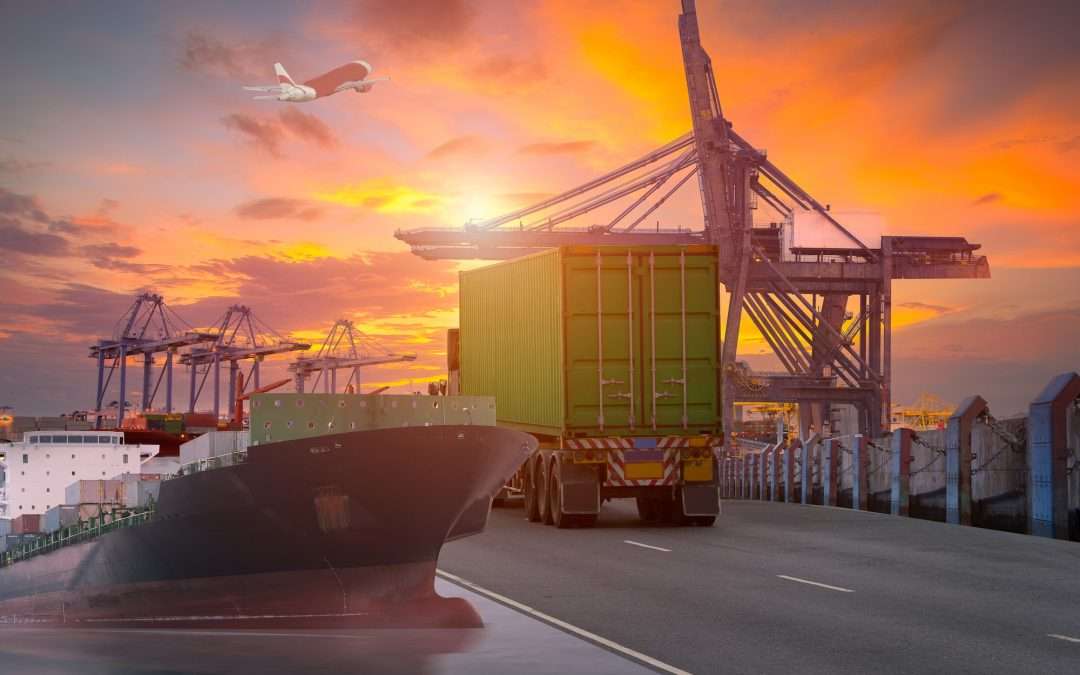
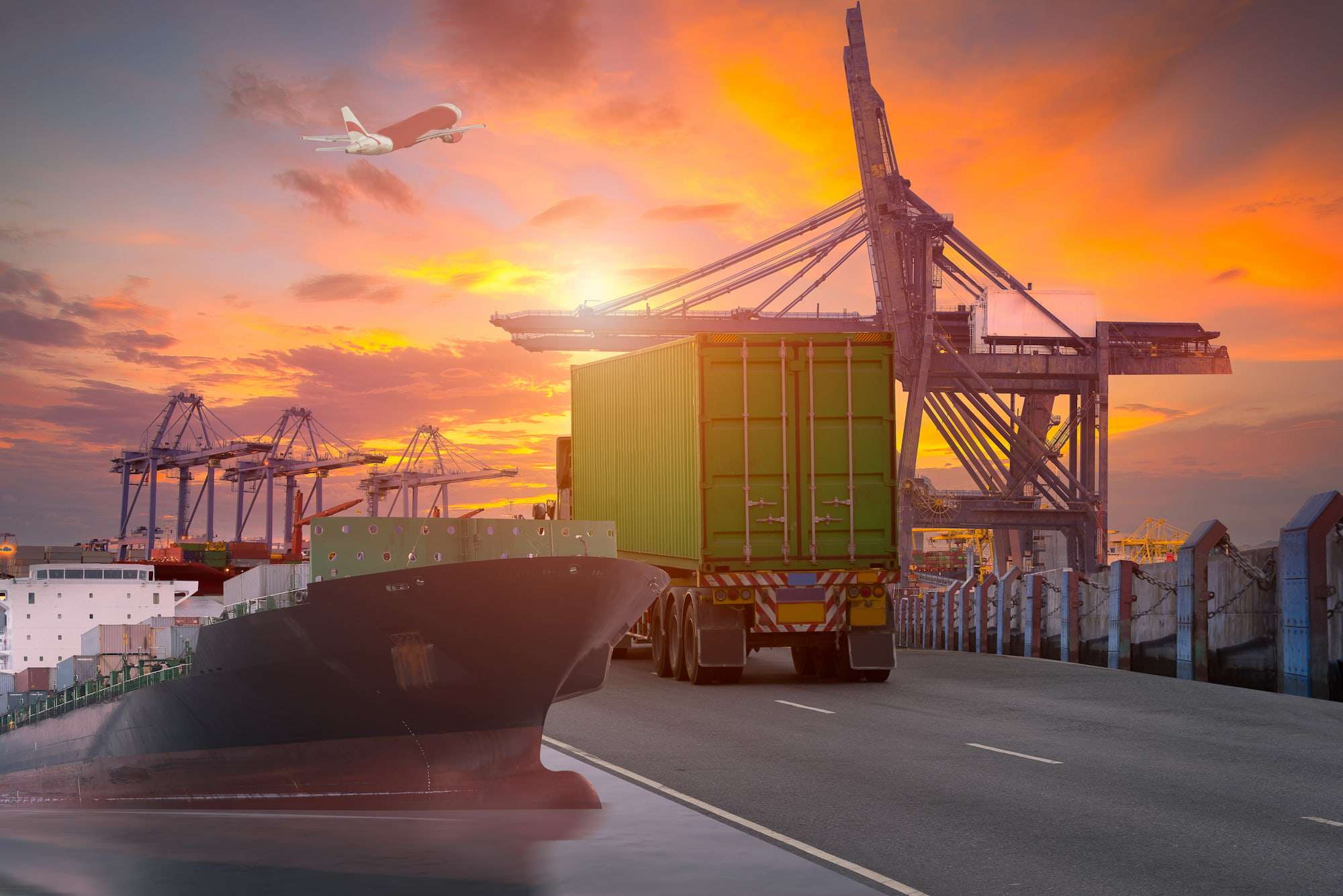
Commercial international shipping can involve freight transportation, carrier bookings, complex documentation, customs requirements, and much more. 🚢✈️ Understanding these steps can help you avoid delays, unexpected costs, and compliance issues.

There are many qualities to look for when choosing a freight forwarder, this will be a guide for making a decision.

How to Choose a Freight Forwarder

Choosing a freight forwarder should involve more than simply comparing rates. The right company can help coordinate bookings, manage documents, arrange international transport, assist with clearance, and move your cargo toward its final destination.

There are numerous qualities to look for when choosing a customs broker.

How to Choose the Right Customs Broker

Choosing the right customs broker can make a major difference when importing goods into the U.S. From classifying and calculating duties to managing documentation and communicating with CBP, a knowledgeable broker can prevent costly surprises.

What can shippers expect as as the fees to cross the Panama Canal continue to rise.

Panama Canal Fees Continue To Rise

Panama Canal costs are rising—and shippers may soon feel the impact. Higher transit fees, carrier surcharges climbing from $100 to nearly $150, and auction prices exceeding $2 million for a single crossing are putting pressure on shipping costs.

President Trump is continuing to impose tariffs on various nations.

Trump Continuing To Impose Tariffs

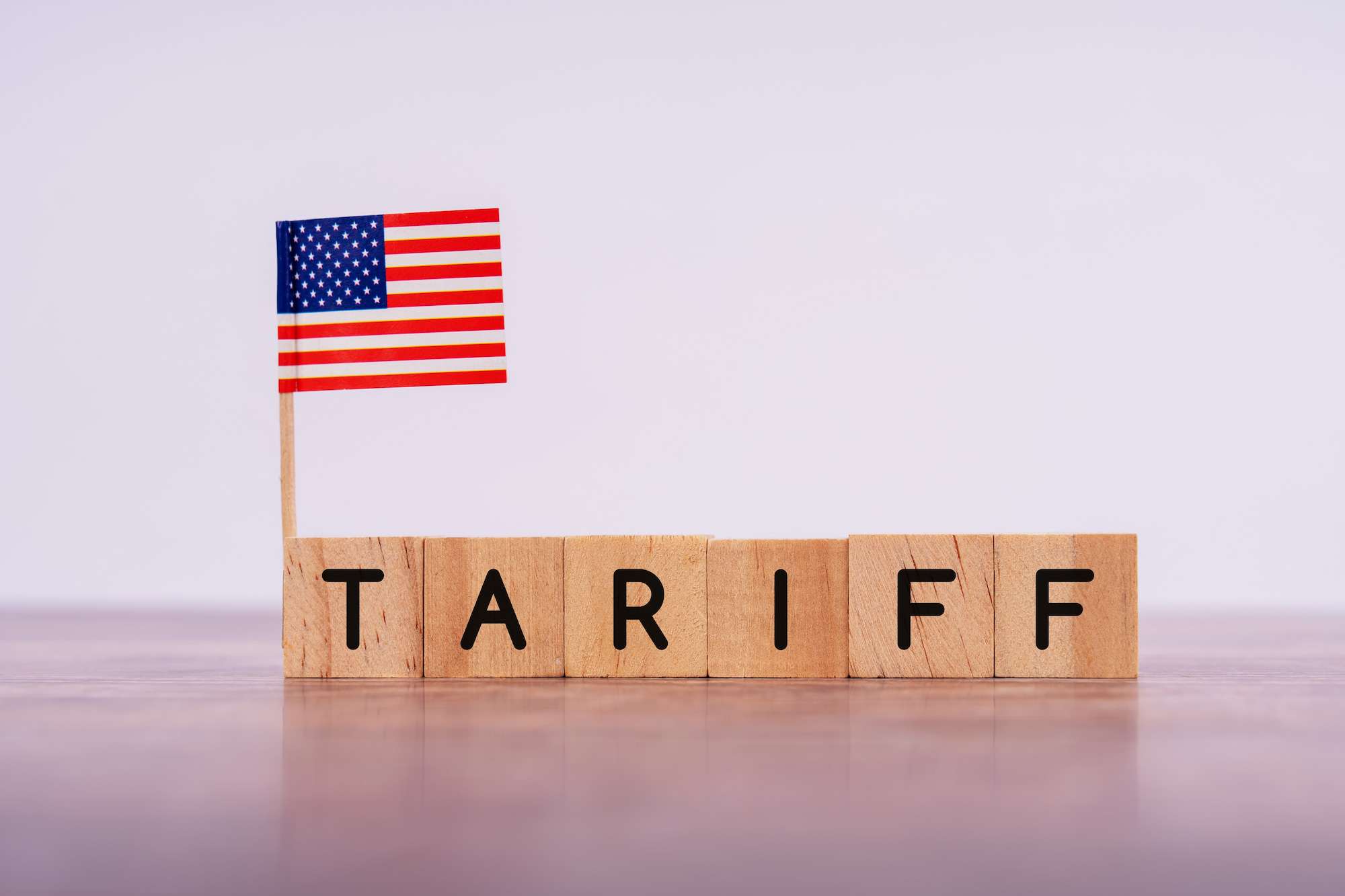
Global trade is facing another wave of tariff changes. The Trump Administration has announced new 25% tariffs on numerous imports from Brazil and 50% tariffs on certain Canadian imports.