How to Ship Goods Internationally: A Guide for Businesses

How to Ship Goods Internationally: A Guide for Businesses

Shipping goods internationally can mean very different things depending on what you are moving. Sending a box overseas with a parcel carrier is one process. Moving pallets, machinery, a full container, or commercial inventory between countries involves freight...

How to Choose a Freight Forwarder

How to Choose a Freight Forwarder

Choosing a freight forwarder should involve more than comparing freight rates. The company you choose may be responsible for coordinating carrier bookings, shipping documents, international transportation, customs clearance, and final delivery. When everything goes...

How to Choose the Right Customs Broker

How to Choose the Right Customs Broker

Choosing a customs broker is an important decision for any business or individual importing goods into the United States. Your broker can help prepare your customs entry, classify your goods, calculate duties, manage documentation, and communicate with U.S. Customs...

Panama Canal Fees Continue To Rise

Panama Canal Fees Continue To Rise

Shippers may soon face higher costs as the Panama Canal fees continue to rise. Over the last few months, various scenarios have driven transit fees higher. Major carrier companies have begun raising their Panama Canal Surcharge from $100 per TEU to $130 and nearly...

Suez Canal reopens

Share This Article


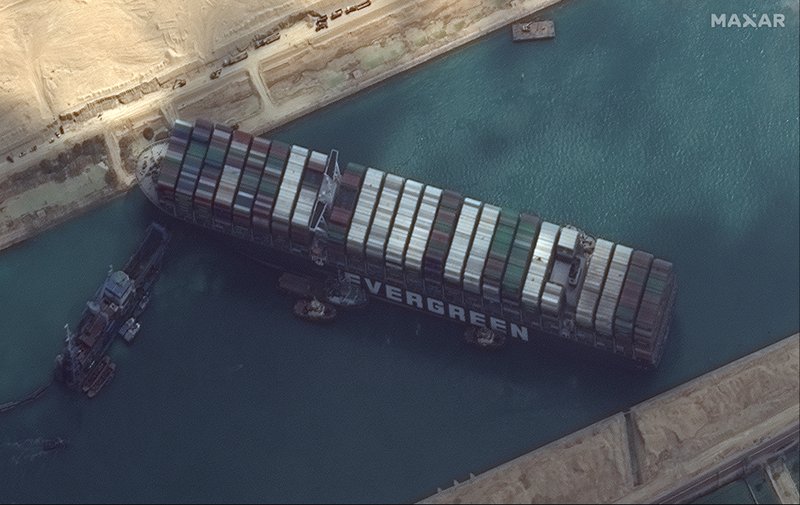
During late March, the freight carrying ship Ever Given got lodged in the Suez Canal for almost six days. With the vessel currently freed, Egypt is now requesting more than $1B for damages and losses. As the Suez Canal opens back up and traffic is cleared, the costs from the blockage may start to come in. The Ever given is currently being held at the Suez Canal for investigation and analysis.

The Suez Canal, known for being one of the businesses canals in the world is responsible for over a billion tons of freight a day. When the canal got blocked, it hinders global trade and created fears for potential shortages. Meanwhile, the world is still dealing with the effects of the corona pandemic; so more stress was added.

Where did the payment come from?

The $1 billion requested from Egypt is a payment for the monetary and substantial damages done because of the Ever Given. Lt. Gen. Ossama Rebei, head of the Suez Canal Authority stated that the payment would include the costs of digging out dirt for six days. It will also include the damages in the canal from dredging the boat and costs from transit fees. It will not cover the cost for the 400+ boats that were delayed for almost a week and costs for freight on the boat.

The owner of the ship, Shoei-Kisen stated that what may happen will be that the shippers will split the general average amongst themselves. This could be a complex situation because of the large number of freight shippers that the boat has. When a general average occurs, cargo insurance tends to pay. However, if the shipper does not have cargo insurance, the shipper may have to pay out of pocket.

Who is liable for litigation?

If legal action is required, it could be complicated to find out who is to blame. This is because of the various nationalities associated with the freight vessel. First, the flagging of Ever Given was done in Panama. This means that the boat is registered in Panama. The firm that owns the ship is Japanese and the operator of the ship is Taiwanese. When the vessel got lodged, two of the pilots on the ship were Egyptian.

As a preventive measure, Lt. Gen. Ossama explained plans to increase the number of ships that pass through the Suez Canal a day to 95. The current number of daily ships is around 50. More support boats will also be added. What may be an issue is that the equipment used to tow the large freight boats has not developed compared to the boats themselves. The freight boats grew in size over time while the equipment stayed the same.

 

A1 Worldwide Logistics, Inc.

📍1035 NE 125th St #320, North Miami, FL 33161, USA

🌍 a1worldwidelogistics.com

📞 305-821-8995

🕒 Hours: 8AM – 5PM

Send your request

This is a guide on how to ship goods internationally.

How to Ship Goods Internationally: A Guide for Businesses

Commercial international shipping can involve freight transportation, carrier bookings, complex documentation, customs requirements, and much more. 🚢✈️ Understanding these steps can help you avoid delays, unexpected costs, and compliance issues.

There are many qualities to look for when choosing a freight forwarder, this will be a guide for making a decision.

How to Choose a Freight Forwarder

Choosing a freight forwarder should involve more than simply comparing rates. The right company can help coordinate bookings, manage documents, arrange international transport, assist with clearance, and move your cargo toward its final destination.

There are numerous qualities to look for when choosing a customs broker.

How to Choose the Right Customs Broker

Choosing the right customs broker can make a major difference when importing goods into the U.S. From classifying and calculating duties to managing documentation and communicating with CBP, a knowledgeable broker can prevent costly surprises.

What can shippers expect as as the fees to cross the Panama Canal continue to rise.

Panama Canal Fees Continue To Rise

Panama Canal costs are rising—and shippers may soon feel the impact. Higher transit fees, carrier surcharges climbing from $100 to nearly $150, and auction prices exceeding $2 million for a single crossing are putting pressure on shipping costs.

President Trump is continuing to impose tariffs on various nations.

Trump Continuing To Impose Tariffs

Global trade is facing another wave of tariff changes. The Trump Administration has announced new 25% tariffs on numerous imports from Brazil and 50% tariffs on certain Canadian imports.