Choosing a customs broker is an important decision for any business or individual importing goods into the United States. Your broker can help prepare your customs entry, classify your goods, calculate duties, manage documentation, and communicate with U.S. Customs...
Although importing cars from Canada can benefit importers and businesses, it can be confusing for the average shipper. Canada’s proximity to the US makes cross-border vehicle transportation relatively accessible. In addition to offering easy access, Canada is an...
Known as a confusing import in the international shipping industry, this article explains how to import acidified foods. Acidic foods are foods with a pH level of 4.6 or below. Some examples include vinegar, fermented pickles, lemons, artichokes, pickled vegetables,...
International and domestic shipping could soon see new regulations reshaping logistics industry compliance. In the last few months, two regulatory decisions have impacted five major sectors of the logistics industry. These include freight brokers, freight forwarders,...
How to Enforce FSVP with your Exporters
Share This Article
Personally Inspecting the Food Products
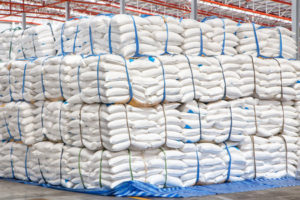
No matter where the products come from, two steps must be followed every time: First, the Importer must assume the role of an FSV, next they must follow the ACE system.
The Role of an FSV – The role of an FSV simply means that you are following the protocols of a Food Safety Verifier. Since you maintain a warehouse that is FSVP compliant, you must now take the standards that you have passed and assert it onto the food products being brought in.
The ACE System – Automated Commercial Environment is the official system through which the trade community reports imports and exports. Once you have inspected the products, you must log one of three codes for the products: FSV, FNX, or RNE.
If the products are compliant, you will mark them FSV*. The products will continue through their import process and be distributed as such.
What happens if the Products are not FSVP compliant
There are two classifications to follow through once food products are not considered compliant, they are either dubbed FSX or sent to RNE.
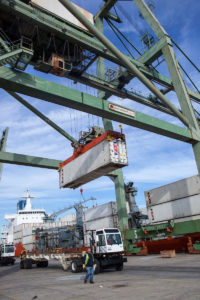
FSVP Exempt (FSX) – Food products that are dubbed FSX do not necessarily need to follow the FSVP guidelines. These can be anything from foods that aren’t held to the same standards, to food that is held to higher standards. For example, Cans are sealed and presumably boxed and withheld, with the exemption of damaged goods, canned foods are by default FSVP compliant and would be parsed through a different branch of FSMA for further inspection.
Research and Evaluation (RNE) – Additionally, if something is not completely FSVP compliant, they could be passed to RNE or Research and Evaluation. When this happens, they inspect whether or not the food is still passable and able to be distributed for healthy ingestion. Depending on how the food is processed, it could be sent back, or it could be distributed under a limited exemption.
A1WWL takes being FSVP compliant very seriously. As part of the Food Safety Modernization Act, there is a lot of information to go through, and we hope that this guide has helped you understand the ins and outs of the FSVP process. IF you would like to learn more about FSVP or how we can help you pass your products through customs easier, please give us a call today!
Special Notes
* – When FSV entities are transmitted to ACE, the following data is required:
• DUNS Number
• Firm Name
• Firm Address
• Entity Role of FSV
• Email Address
Choosing the right customs broker can make a major difference when importing goods into the U.S. From classifying and calculating duties to managing documentation and communicating with CBP, a knowledgeable broker can prevent costly surprises.
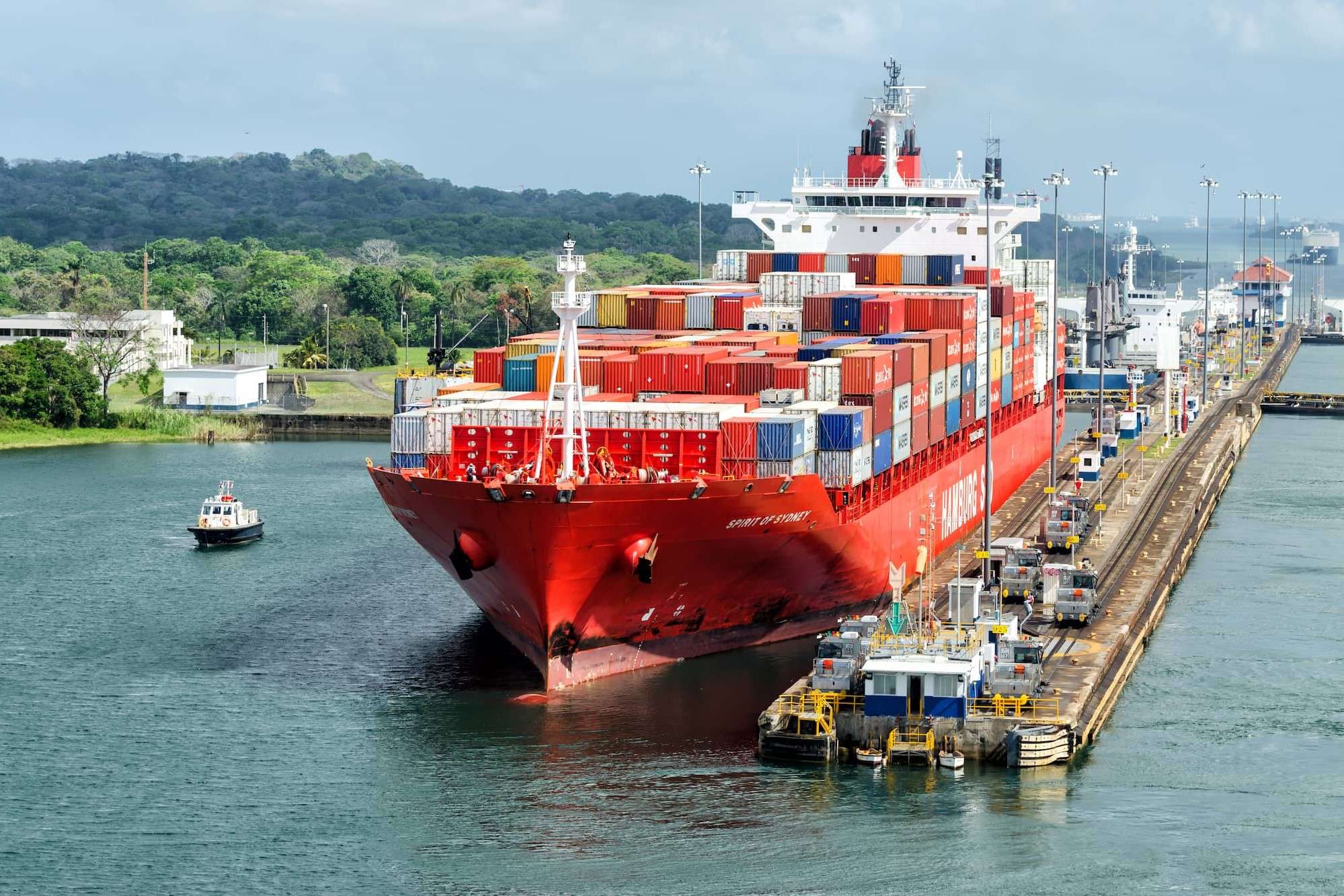
Panama Canal costs are rising—and shippers may soon feel the impact. Higher transit fees, carrier surcharges climbing from $100 to nearly $150, and auction prices exceeding $2 million for a single crossing are putting pressure on shipping costs.
Global trade is facing another wave of tariff changes. The Trump Administration has announced new 25% tariffs on numerous imports from Brazil and 50% tariffs on certain Canadian imports.
From warehousing and inventory management to order fulfillment, shipping, and returns, 3PLs help e-commerce businesses streamline operations, and reduce costs.


 No matter where the products come from, two steps must be followed every time: First, the Importer must assume the role of an FSV, next they must follow the ACE system.
 FSVP Exempt (FSX) – Food products that are dubbed FSX do not necessarily need to follow the FSVP guidelines. These can be anything from foods that aren’t held to the same standards, to food that is held to higher standards. For example, Cans are sealed and presumably boxed and withheld, with the exemption of damaged goods, canned foods are by default FSVP compliant and would be parsed through a different branch of FSMA for further inspection.