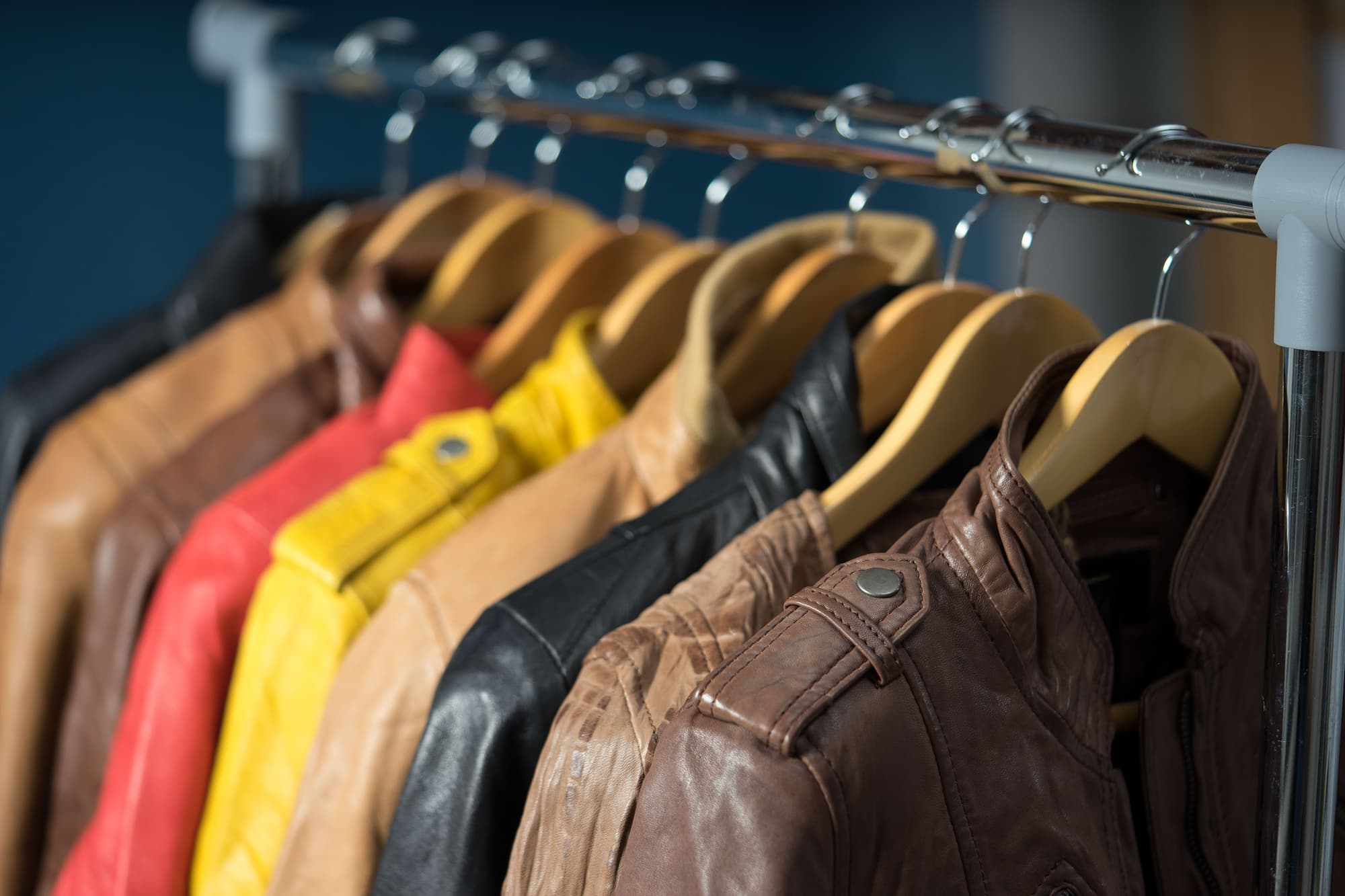
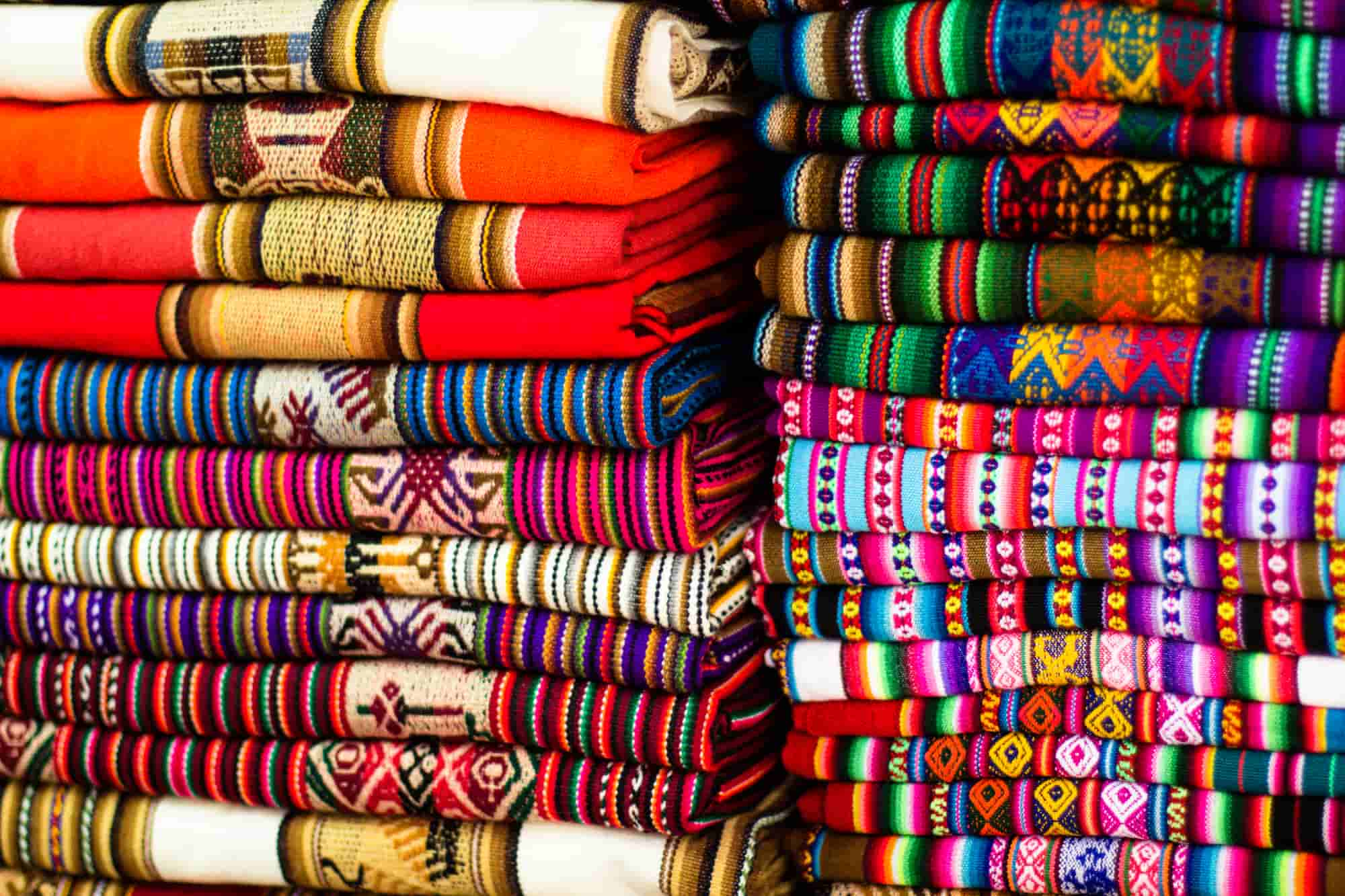
The United States is the world’s largest single-country market for imported apparel. According to the U.S. International Trade Commission, U.S. apparel imports averaged approximately $83 billion per year between 2013 and 2023.
Given the size of the market, bringing clothes into the U.S. can be an exciting opportunity for shippers. Knowing what to expect can save time and money, whether you are importing clothing regularly for a business or arranging your first commercial shipment.
What Should You Know Before Importing Clothes Into the U.S.?
Before beginning the import process, it’s crucial to research the rules, regulations, and tariffs applicable to the shipment.
One area apparel importers should pay particular attention to is the origin of the materials in their supply chain.
Under the Uyghur Forced Labor Prevention Act (UFLPA), goods mined, produced, or manufactured wholly or in part in Xinjiang, or by an entity on the UFLPA Entity List, are subject to a rebuttable presumption that they are prohibited from importation into the United States.
This can be particularly important for clothing and textile importers using cotton or other materials sourced through China, because Customs may require supply-chain evidence when UFLPA concerns arise.
Various government agencies work alongside U.S. Customs and Border Protection to enforce requirements affecting imported clothing. Some of the most relevant are:
- U.S. Customs and Border Protection (CBP): Handles the Customs entry, classification, duties, country-of-origin marking and other import requirements.
- Federal Trade Commission (FTC): Enforces labeling requirements affecting most textile and wool products, including fiber content, country of origin, and manufacturer or marketer identification.
- Consumer Product Safety Commission (CPSC): Enforces applicable product-safety requirements, including flammability standards for clothing textiles.
What Are the Labeling Requirements for Imported Clothing?
When clothing enters the U.S. for sale, it must have the applicable labeling. According to the FTC, most covered textile and wool products need labels identifying the fiber content, country of origin, and manufacturer or another responsible business.
The FTC also implements a Care Labeling Rule requiring manufacturers and importers of covered clothing to provide regular care instructions. These instructions generally need to remain available to the consumer throughout the useful life of the garment.
Country-of-origin labeling deserves particular attention. For garments with a neck, FTC guidance states that the origin disclosure generally needs to appear on a label at or near the inside center of the neck. Other textile products have their own placement requirements.
How Is the Country of Origin of Clothing Determined?
Country of origin is not always as simple as the country where the finished garment was shipped from. Clothing can involve fabric produced in one country, cutting in another, and final assembly somewhere else.
U.S. textile and apparel origin rules determine the country of origin using specific rules that consider where the goods or their components were produced and what manufacturing operations took place. Importers using multi-country supply chains should therefore confirm the correct origin before applying the country-of-origin label or claiming preferential tariff treatment.
Do Imported Clothes Have Flammability Requirements?
Clothing imports can also be subject to federal flammability standards. The CPSC’s general wearing-apparel standard, 16 CFR Part 1610, classifies clothing textiles according to their burning characteristics. Fabrics classed as dangerously flammable are prohibited from use in clothing sold in the United States.
Additional requirements apply to certain products. Children’s sleepwear, for example, has separate flammability standards, while children’s apparel can also be subject to testing and certification requirements. Importers dealing in children’s clothing should therefore check the applicable CPSC requirements before the goods are manufactured or shipped.
See A1’s U.S. import guides for guidance on other commercial imports.
How Much Duty Do You Pay When Importing Clothes?
When goods are imported into a country, they can be subject to tariffs and duties, and clothes are no exception.
Most ordinary clothing is classified within Chapter 61 or Chapter 62 of the U.S. Harmonized Tariff Schedule. Chapter 61 generally covers knitted or crocheted apparel, while Chapter 62 generally covers apparel that is not knitted or crocheted.
Apparel classification can become very specific. The correct HTS code can depend on factors such as:
- whether the garment is knitted or woven
- the type of garment
- the main textile fiber
- whether it is classified as men’s/boys’ or women’s/girls’ apparel
- how the garment is constructed
These distinctions matter because duty rates can differ substantially between apparel classifications. A shipper should therefore avoid choosing an HTS code based only on a broad description such as “shirt,” “dress” or “jacket.”
A customs broker can help determine the appropriate classification and current duty treatment before entry.
What Documents Are Needed to Import Clothes?
One of an importer’s essential preparations is having the correct paperwork ready.
For a normal commercial clothing shipment, the customs broker will commonly need:
- Commercial Invoice
- Packing List
- Bill of Lading or Air Waybill
The invoice and supporting information should describe the garments in enough detail to help determine the correct Customs classification. Information such as the type of garment, textile composition, and country of origin can be important when classifying apparel.
Origin documents or supporting supplier records may also be needed where an importer is claiming preferential tariff treatment or where Customs needs to verify the source of the goods.
See our guide to documents used in customs clearance for more information.
Commercial apparel imported for resale will generally be entered for consumption. Depending on the type of entry, a Customs bond may be required, and the customs broker will prepare the applicable entry information for CBP.
How Are Clothes Shipped to the United States?
Importing clothes into the United States may not be easy, especially if it’s your first time. While intricate, you can simplify the import process by working with a freight forwarder and a customs broker.
Freight forwarders organize the importer’s shipment and coordinate with carriers to move the freight. Customs brokers handle the Customs entry and help the importer address classification, documentation, and duty requirements.
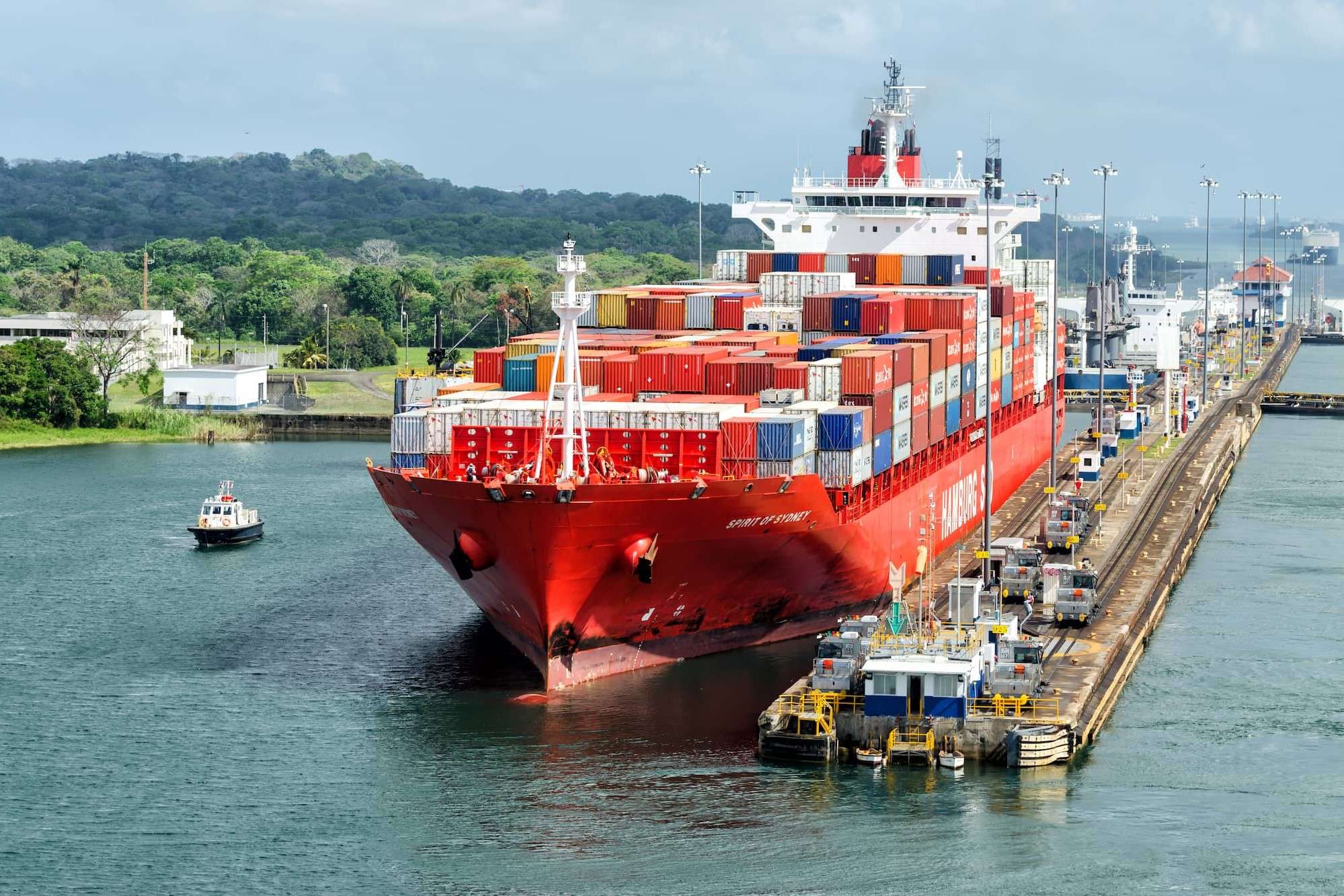
Clothing can be shipped by air or ocean depending on the size of the order, country of origin, cost, and required delivery date. Larger commercial orders often move by ocean freight, either as a Full Container Load or Less than Container Load shipment, while air freight can make sense when delivery time is particularly important.
Once Customs releases the shipment, A1 can also coordinate trucking and final delivery where required.
Import Clothes With A1 Worldwide Logistics
Knowing what to expect before the clothes leave the supplier can save time and help avoid problems when the shipment reaches the United States. A1 Worldwide Logistics provides customs brokerage and international freight forwarding for commercial clothing imports. If you have apparel ready to ship, contact us at 305-821-8995 for a quote and get started on your shipment. When contacting us, it helps to have the type of clothing, textile composition, country of origin, and shipment details available.
Regulatory note: This guide provides general information and is not legal advice. U.S. import rules and agency requirements can change and may vary by product, country of origin, and shipment. Importers should confirm current requirements with the relevant U.S. agency and, where appropriate, a licensed customs broker or legal adviser before shipping.