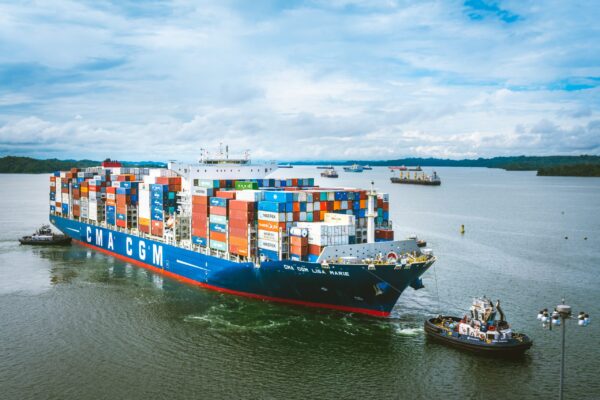
Panama Canal Fees Continue To Rise

Panama Canal Fees Continue To Rise

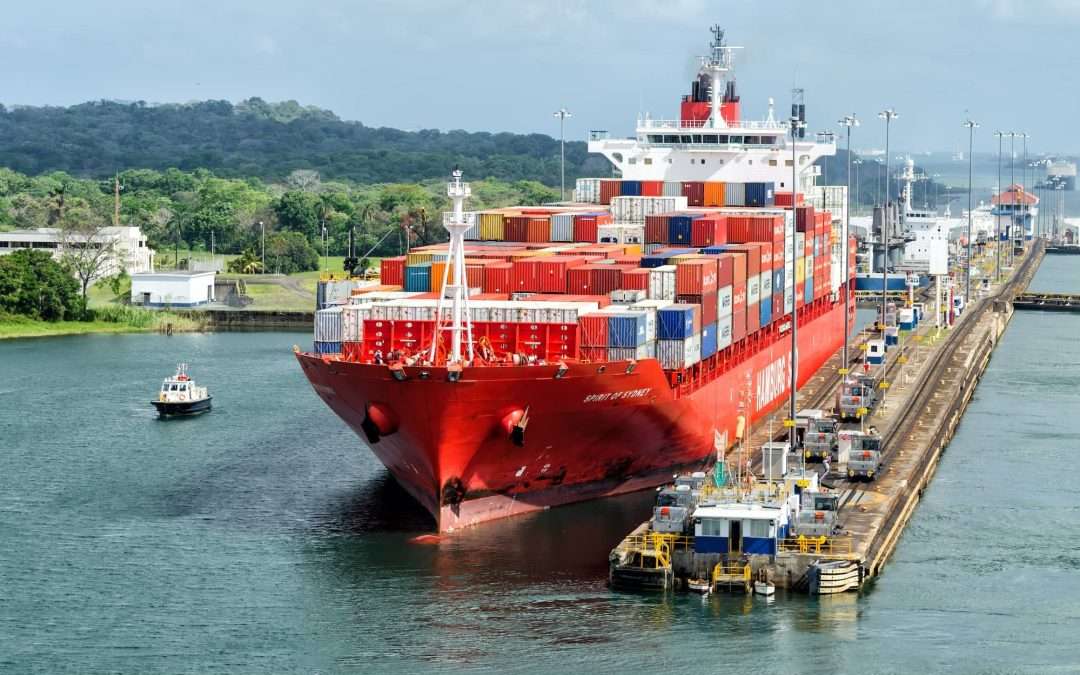
Shippers may soon face higher costs as the Panama Canal fees continue to rise. Over the last few months, various scenarios have driven transit fees higher. Major carrier companies have begun raising their Panama Canal Surcharge from $100 per TEU to $130 and nearly...

Importing Cars From Canada

Importing Cars From Canada

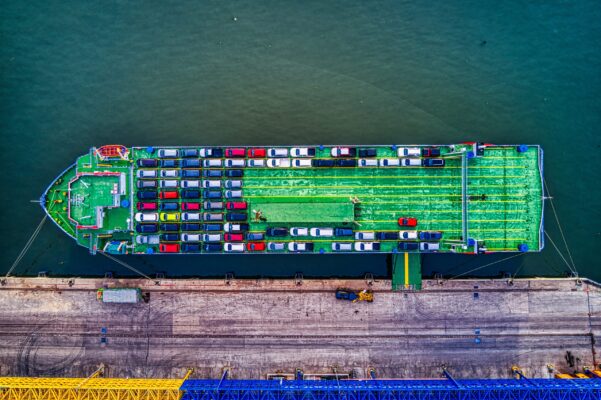
Although importing cars from Canada can benefit importers and businesses, it can be confusing for the average shipper. Canada’s proximity to the US makes cross-border vehicle transportation relatively accessible. In addition to offering easy access, Canada is an...

New Tariffs Facing Lawsuits

New Tariffs Facing Lawsuits

Tariffs remain an issue in the US, with President Trump’s new tariffs facing lawsuits. Following the expiration of Trump’s Section 122 tariffs, the Office of the US Trade Representative (USTR) imposed new tariffs under Section 301 of the Trade Act of 1974. Starting...

New Regulations Reshaping Logistics

New Regulations Reshaping Logistics

International and domestic shipping could soon see new regulations reshaping logistics industry compliance. In the last few months, two regulatory decisions have impacted five major sectors of the logistics industry. These include freight brokers, freight forwarders,...

How To Import Acidified Foods

Share This Article

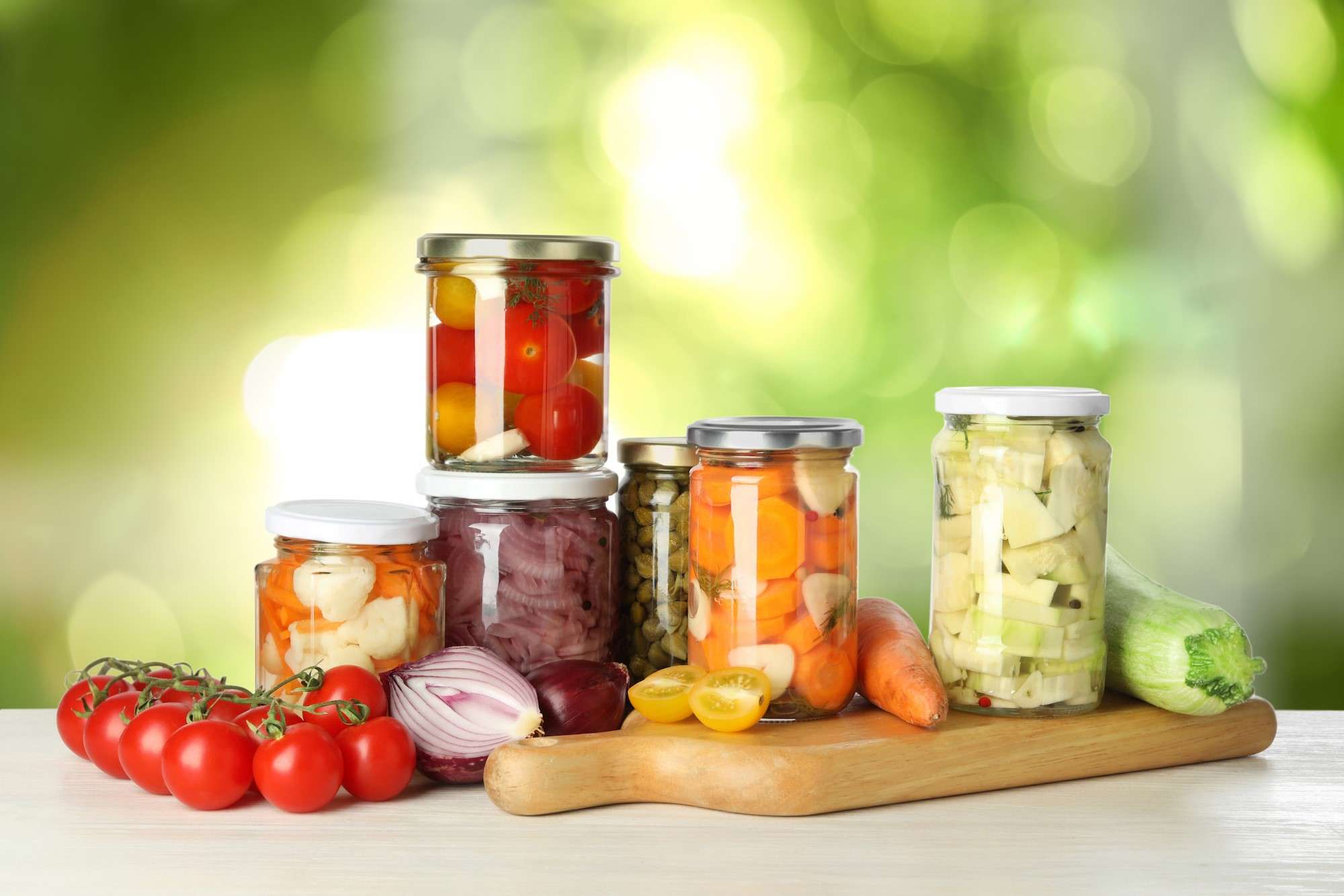
Known as a confusing import in the international shipping industry, this article explains how to import acidified foods. Acidic foods are foods with a pH level of 4.6 or below. Some examples include vinegar, fermented pickles, lemons, artichokes, pickled vegetables, berries, and certain sauces. Due to the nature of these goods, they are subject to stringent regulatory requirements and scrutiny by agencies. Along with having to comply with regulations from the US Customs and Border Protection (CBP), they are regulated by the Food and Drug Administration (FDA). Along with explaining what the importer should understand before bringing in acidified foods, the article will also explain the process.

What Should You Know Before Importing Acidified Foods?

Before deciding to import acidic foods, the shipper must verify whether the goods even qualify as acidified foods. This can be done by consulting a process authority, who evaluates equilibrium pH levels and water activity. It is also important that the foreign manufacturer registers their food imports with the Food and Drug Administration FDA. Along with registration, they must also file a scheduled process with the FDA. A scheduled process confirms that the food is properly formulated and processed by the importer to achieve commercial stability. Shippers should also determine the import tax amount by finding the correct Harmonized Tariff Schedule (HTS) code of the cargo.

How To Import Acidified Foods

Along with the registration and process filings, the importer must ensure they have the standard import documents, including the:

  • Bill of Lading/Airway Bill
  • Commercial Invoice
  • Packing List
  • Arrival Notice

Once ready to ship, the shipper must decide on a mode of transport, such as air, sea, or land. In addition to filing a US CBP entry, the importer must submit a Prior Notice to the FDA before the shipment arrives in the US, allowing the agency to review it. Once the goods reach the US, documentation and prior notice will be required to clear them through customs. After customs clearance, domestic shipping services can be used to move the goods to the final destination.

While importing acidified foods may seem intimidating, it should not stop you from starting the process. Shippers should, however, take the necessary steps to prevent disruptions that could delay importation. In addition to the information mentioned in the article, this can also be done by speaking with a customs broker. Brokers are licensed individuals or companies that coordinate the clearance of shipments through customs. In the US, they act as intermediaries between shippers and the CBP. They do this by ensuring regulatory compliance, providing documentation, calculating duties, filing entries, and more. Contact A1 Worldwide Logistics at 305-440-5156 or info@a1wwl.com to speak with a broker about your shipment’s success.


A1 Worldwide Logistics, Inc.

📍1035 NE 125th St #320, North Miami, FL 33161, USA

🌍 a1worldwidelogistics.com

📞 305-821-8995

🕒 Hours: 8AM – 5PM

Send your request

What can shippers expect as as the fees to cross the Panama Canal continue to rise.

Panama Canal Fees Continue To Rise

Panama Canal costs are rising—and shippers may soon feel the impact. Higher transit fees, carrier surcharges climbing from $100 to nearly $150, and auction prices exceeding $2 million for a single crossing are putting pressure on shipping costs.

President Trump is continuing to impose tariffs on various nations.

Trump Continuing To Impose Tariffs

Global trade is facing another wave of tariff changes. The Trump Administration has announced new 25% tariffs on numerous imports from Brazil and 50% tariffs on certain Canadian imports.

Over the last few decades, green shipping has grown in the shipping industry.

What Is Green Shipping?

From cleaner fuels and innovative technologies to sustainable practices that reduce emissions, green shipping is transforming global logistics.

3pls have helped e-commerce businesses grow over the last decade.

How 3PLs Help With E-Commerce

From warehousing and inventory management to order fulfillment, shipping, and returns, 3PLs help e-commerce businesses streamline operations, and reduce costs.

The logistics industry could soon see the impact of new regulations appearing over the last few months.

New Regulations Reshaping Logistics

The logistics industry could be entering a new era of compliance including recent developments the Montgomery v. Caribe Transport II ruling and a new White House Executive Order targeting forced labor, and misclassification.