Fast fashion logistics are becoming a prominent part of the supply chains of the biggest retailers in the fashion industry. Fast fashion is the quick production and transport of inexpensive clothes items on a mass scale. The clothing production follows what’s in style and the latest trends in the industry. In the 1970s, manufacturers began outsourcing production to countries, specifically in Asia. Exporting manufacturing to other countries meant that retailers could produce clothes cheaply. By the late 1990s, discretionary spending became popular, allowing fast fashion to take off. The growth of the internet and e-commerce helped expedite this business model to unprecedented levels.
What Are Fast Fashion Logistics?
Companies using a fast fashion business model tend to have specialized supply chains focusing on speed and efficiency. Initially, retailers would release new clothing collections around four times a year. However, recently, customer expectations caused that number to grow to 36 for some brands. The need for quickness has led companies to adopt a vertical integration supply chain model. Vertical Integration is when a company controls the various parts of a supply chain process. Faster production times, efficient turnarounds, flexibility, visibility, and more are possible with this model. From manufacturing in a different country to shipping, usually by air, the supply chain for fast fashion has become streamlined.
Benefits and Criticisms of Fast Fashion
Fast fashion has become so successful over the last few decades because of its numerous advantages. For retailers, new products attract customers to stores more often and become profitable. A side effect is that the company stays in business and creates jobs, impacting economic growth. Customers benefit from having easy access to stylish clothes that are trendy for a cheaper price. Individuals from diverse socioeconomic backgrounds could now buy the outfits they see on TV without spending too much. Despite the benefits that it can have for retailers and buyers, there have been major criticisms of this business model.
Since companies outsource manufacturing to locations in different countries, exploitative labor practices can be a concern. There have been complaints about working long hours in poor conditions for small wages. Another criticism is the major environmental impact that fast fashion has. Cheap materials and manufacturing methods contribute to pollution and improper waste. With the use of cheap textile dyes, fast fashion is one of the world’s most significant pollutants of clean water. Toxic chemicals and microfibers that seep into waterways also become harmful to animals. Using fossil fuels to create synthetic fabrics also contributes to global warming.
Shipping Cargo By Air Shipping
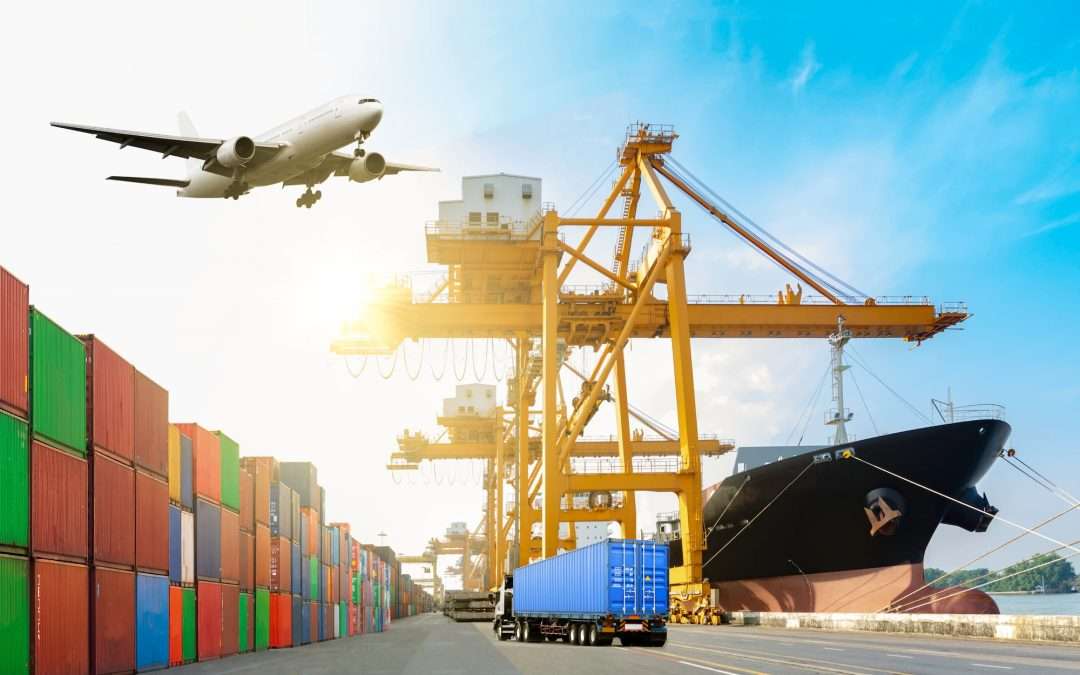
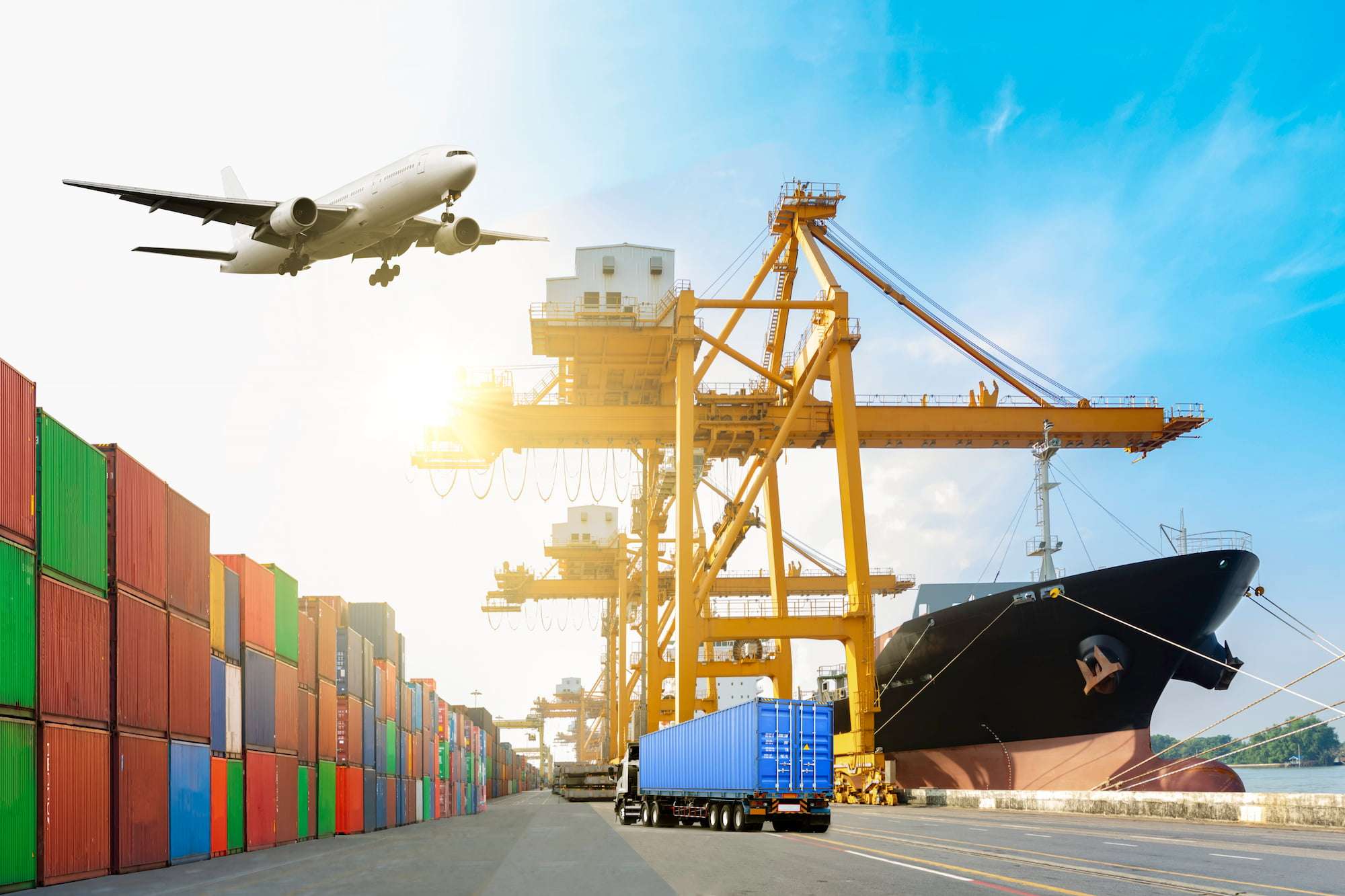
Transportation by air is a popular method of conveyance for moving cargo internationally. Along with clothes, other shipments travel by air due to the advantages. A reason why so many companies and shippers ship by air is due to the time it takes. Air shipping cuts a shipment that usually takes 20-30 days to 1-2 days. This is especially beneficial for time-sensitive cargo moving under a specific deadline. Another benefit is that air transport is highly reliable, and airlines can transport goods to almost any destination. To move your cargo internationally, contact A1 Freight Logistics at info@a1wwl.com or 305-821-8995. You can also reach us by WhatsApp.