Incoming Container Fee Disputes
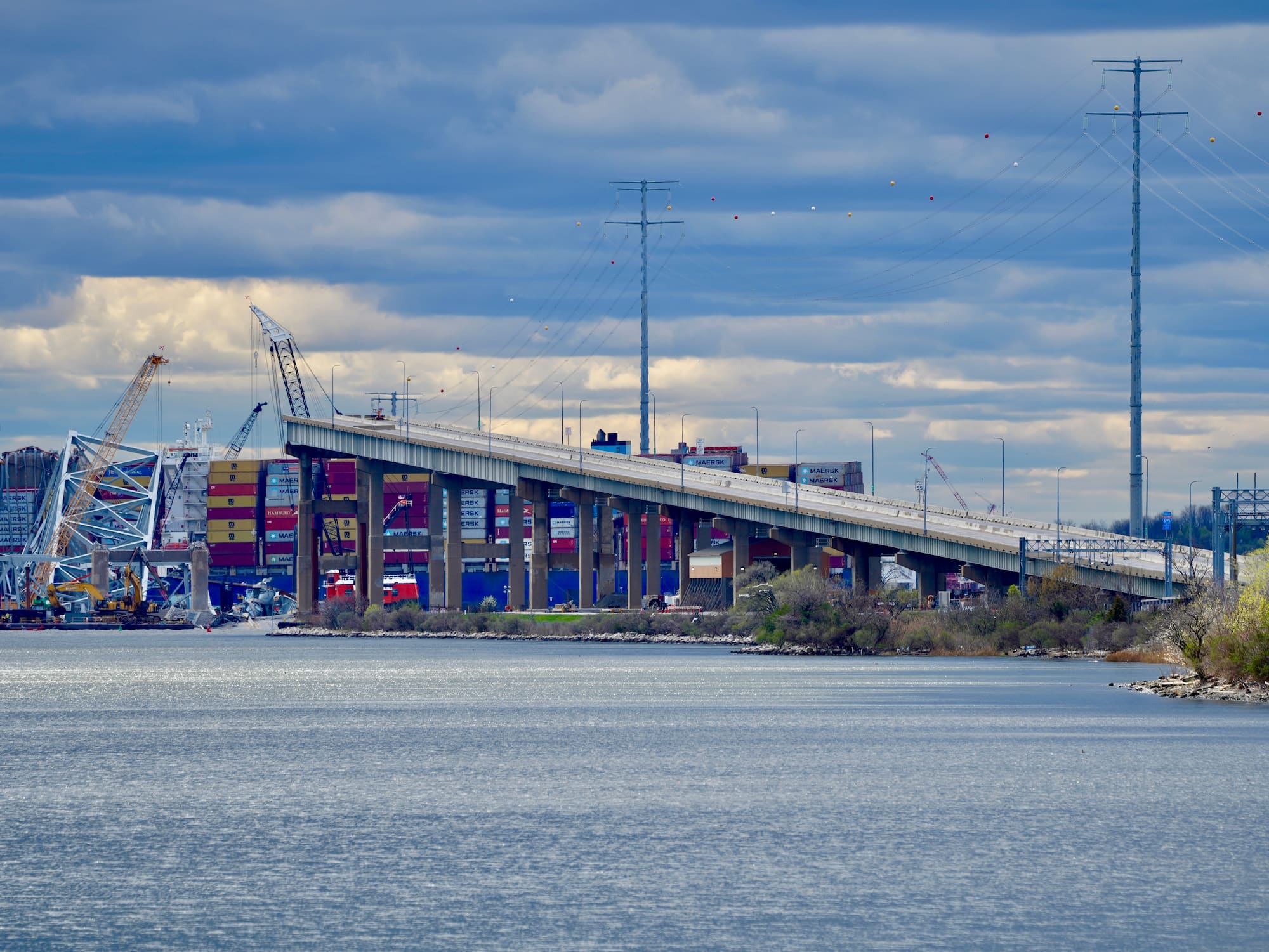
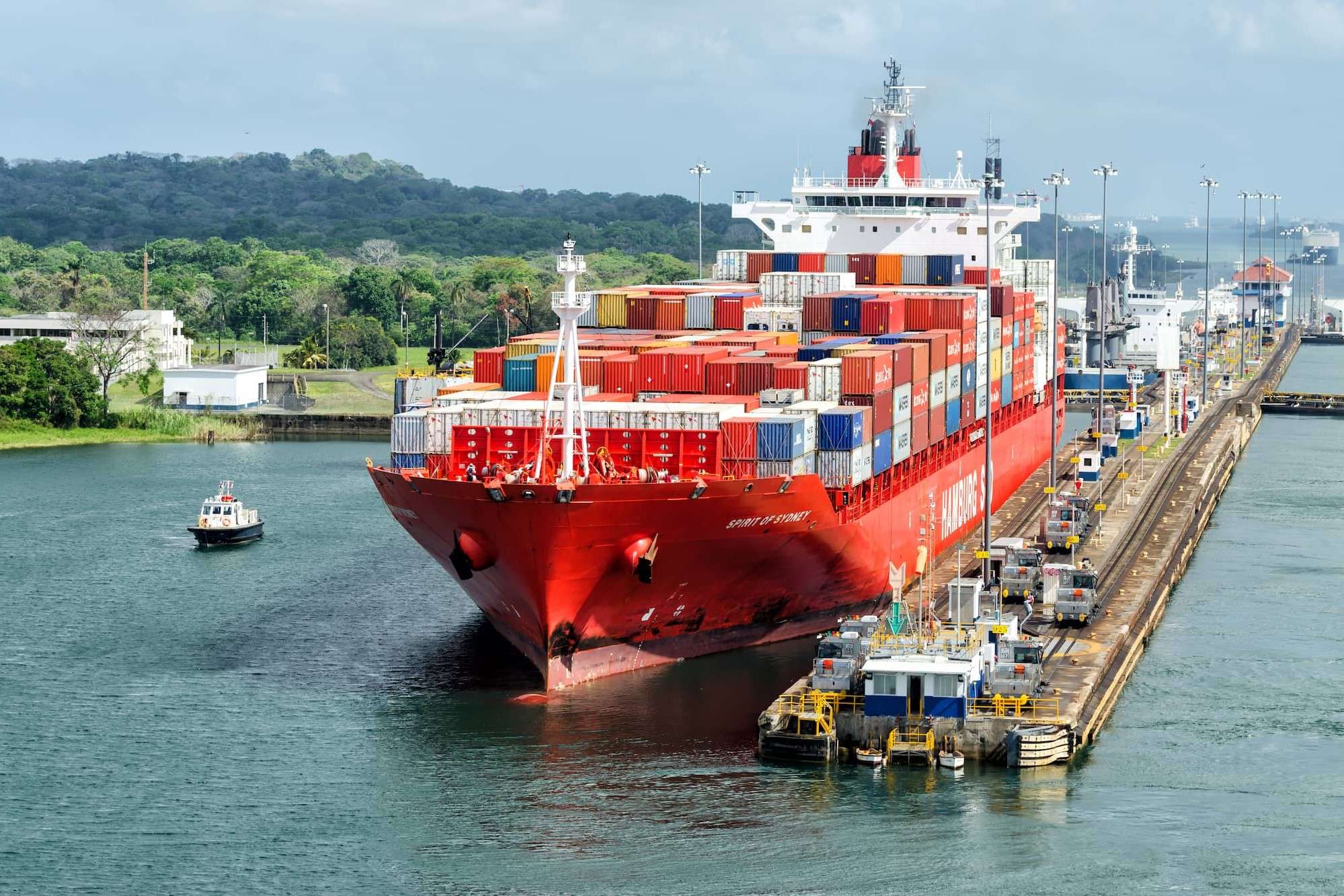
Over a week after the Baltimore Key Bridge collapse, federal regulators have been fearing incoming container fee disputes. On March 26th, a containership struck the Francis Scott Key Bridge, causing it to fall into the Patapsco River. The passageway is one of the main connectors to the Port of Baltimore, a significant hub for automobile shipments. Port operations have halted due to the incident, causing containerships to reroute. As carriers gradually cancel routes, the FMC expects conflict over increasing container costs. The FMC (Federal Maritime Commission) is a regulatory agency that oversees the U.S. international ocean transport system. One of its duties is to resolve shipping issues related to maritime cargo transport.
Why Does The FMC Fear Incoming Container Fee Disputes?
The FMC is expecting a surge in container disputes due to the rerouting of shipments to other ports. Shippers that rely on the Port of Baltimore will soon have to pay extra to have their imports enter through different ports. Canceling inland transport by large ocean carrier companies will also add to the disputes. Increasing costs can also come from ships carrying containers rerouting to ports with limited chassis. With Inadequate chassis, shippers may start to see issues with container pickups and returns, increasing the chances of extra charges. For example, demurrage and detention fees happen when containers remain in or out of the port after a specific time.
Is More Transparency Needed In International Shipping
Different players of the international shipping industry have recently pushed towards greater information sharing. The Baltimore bridge collapse was an event that recently increased those talks. Along with the collapse of the bridge, the Panama Canal drought and Red Sea attacks have disrupted supply chains. In 2021, the FMC created the Maritime Transportation Data Initiative (MTDI) to produce more fluid data transparency and sharing. MTDI will necessitate carriers to have scheduling information available at all container ports. Many still believe that there needs to be more data-sharing initiatives for carriers and shippers. The FMC will continue to take in recommendations from the public and collect data with the goal of creating visibility.
What Can You Do To Avoid Disruptions
As the Baltimore bridge collapse continues to impact international and domestic shipping, so may the disruptions. Along with the potential extra costs from routing cancelations, rerouting can also lead to time loss for shippers. Furthermore, other parts of supply chains may become disrupted by the incident. For example, the closure of the Port of Baltimore means that trucking to and from the port is severely affected. The region could soon see a slowdown in shipping and an increase in transportation rates. Along with rerouting shipments to different East Coast ports, importers and exporters should be up-to-date with the current news.
Another way that shippers can avoid disruptions is by using the help of a freight forwarder. Forwarders coordinate cargo movement on behalf of the shipper and guide you through the process. They can be essential during scenarios like a bridge collapse or port shutdown. Being prepared to overcome any situation that may arise is critical to the movement of your shipment. Call A1 Worldwide Logistics at 305-821-8995 to speak to a professional about importing or exporting to and from the U.S. We understand the importance of transparency when assisting your supply chain.