Choosing a customs broker is an important decision for any business or individual importing goods into the United States. Your broker can help prepare your customs entry, classify your goods, calculate duties, manage documentation, and communicate with U.S. Customs...
Although importing cars from Canada can benefit importers and businesses, it can be confusing for the average shipper. Canada’s proximity to the US makes cross-border vehicle transportation relatively accessible. In addition to offering easy access, Canada is an...
Known as a confusing import in the international shipping industry, this article explains how to import acidified foods. Acidic foods are foods with a pH level of 4.6 or below. Some examples include vinegar, fermented pickles, lemons, artichokes, pickled vegetables,...
International and domestic shipping could soon see new regulations reshaping logistics industry compliance. In the last few months, two regulatory decisions have impacted five major sectors of the logistics industry. These include freight brokers, freight forwarders,...
Automation in the Trucking Industry
Share This Article
We are living in a time where technology is taking leaps, and bounds forward, propelling us into a future of pure wonder and amazement. We see these advancements with laser surgeries taking place in hospitals; with Elon Musk’s cosmic adventures, propelling satellites into space accompanied by his car; we can see this in the very device sitting in most people’s pockets, our cellphones. We have seen our amazing improvement regarding the shipping industry with the rise in automated trucks.
When Did They Start?
As long as we have had automobiles, people have been trying to make them autonomous, but it is not until recently that these goals have come to fruition. Uber introduced their first self-driving truck in 2016 after its acquisition of Otto, an autonomous trucking start-up founded by a former Google engineer. As of 2017 there have been automated trucks transporting good between Texas and California.
Bear in mind these are not unmanned trucks, as they still have accompanying truckers with them; but someday most, if not all transportation companies hope to have entirely independent vehicles at their disposal.
Where Are They Headed?
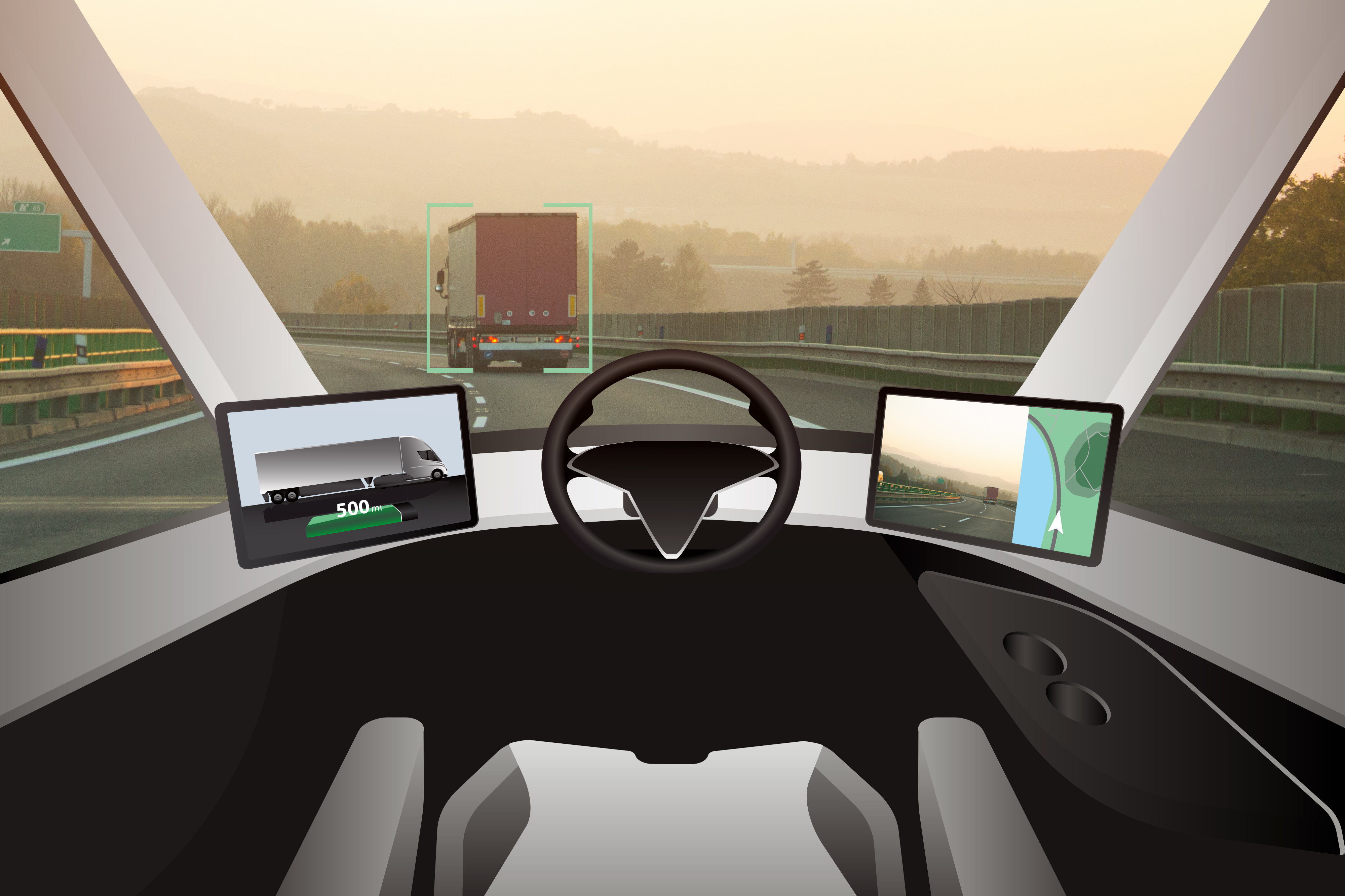
Well, it is quite apparent where companies want to see these trucks go, complete independence. Driverless vehicles would help reduce the cost of transportation in general, not having to pay for drivers. It will also help expedite the transport itself, trucks being able to drive through the night with no breaks needed.
This opens up other issues though, as for how will the truck be able to unload the goods? Or how will it know when it needs gas? Or how will it react to an accident or automotive issues? These occurrences are one of the defining reasons why even with the rise of automated trucks, there will still be a place of hands-on human partners. Uber says they will still utilize people to work with these trucks.
Judging from the current evolutionary rate of these vehicles, it is only a matter of time before the idea of entirely independent vehicles goes from science fiction to science fact.
What Is Demurrage? Container Charges, Detention, and Free Time Demurrage is a charge that can apply when an import container remains at a marine terminal beyond its allowed free time. Detention generally applies when the carrier’s container has been collected but is...
What Is a Continuous Customs Bond? A continuous customs bond is a bond used by importers to cover multiple U.S. Customs transactions rather than arranging a separate bond for each applicable shipment. If you regularly import commercial goods into the United States, a...
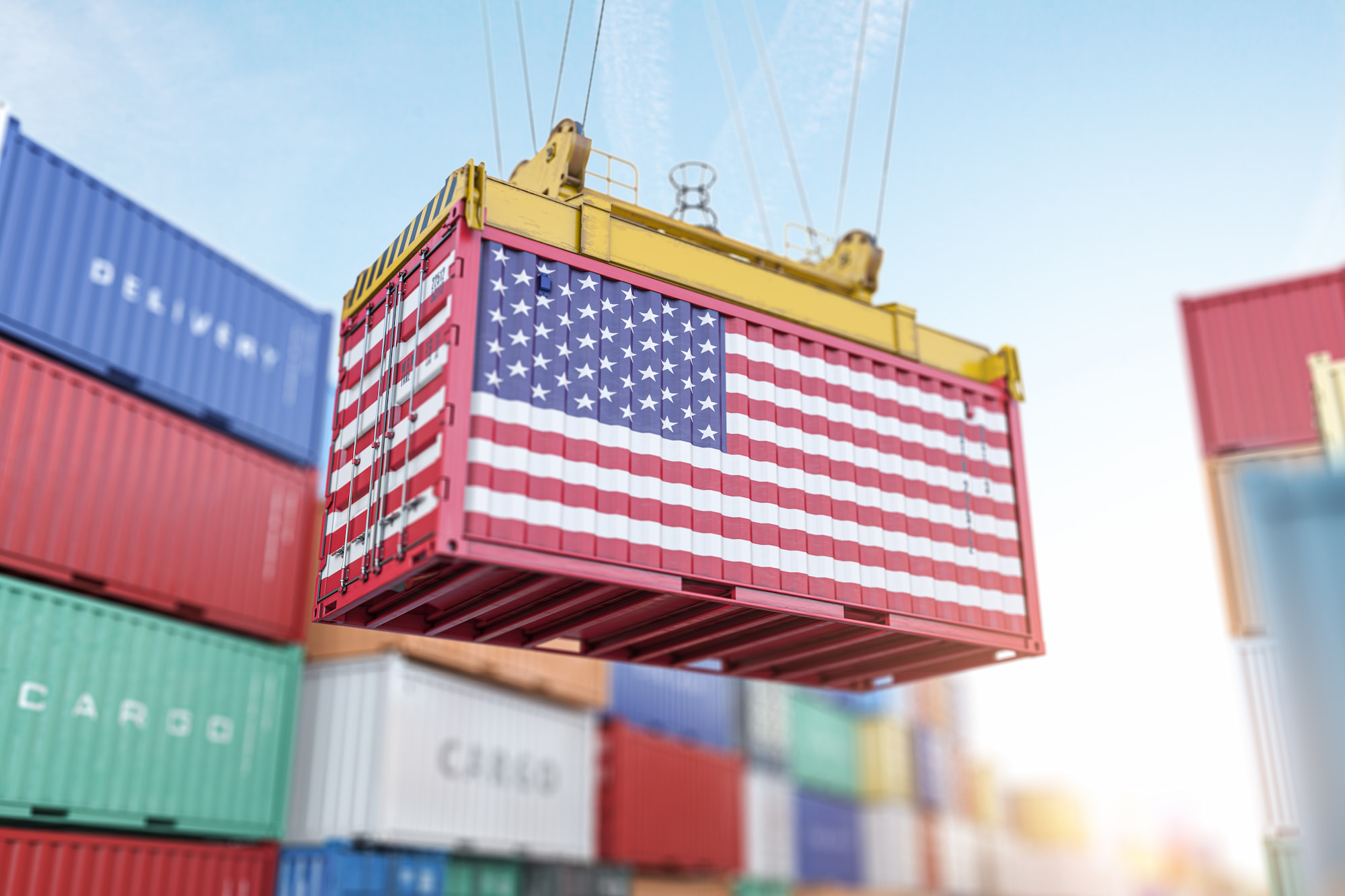
Buying goods from an overseas supplier is only one part of importing them into the United States. Before the shipment leaves, you need to know whether the product can enter the country, who will act as the importer, what duties or additional tariffs may apply, what...
Looking for a smarter way to manage your cargo? Warehousing services can provide more than just a place to store your goods—they offer numerous value-added services before your cargo reaches its final destination.
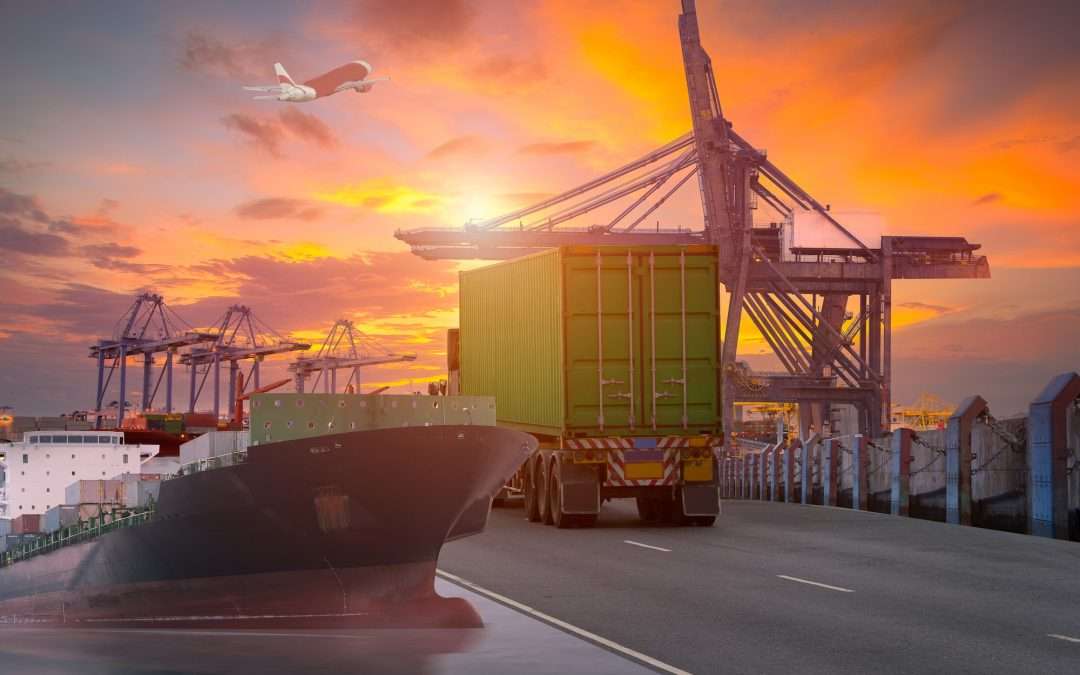
Commercial international shipping can involve freight transportation, carrier bookings, complex documentation, customs requirements, and much more. 🚢✈️ Understanding these steps can help you avoid delays, unexpected costs, and compliance issues.




 Well, it is quite apparent where companies want to see these trucks go, complete independence. Driverless vehicles would help reduce the cost of transportation in general, not having to pay for drivers. It will also help expedite the transport itself, trucks being able to drive through the night with no breaks needed.